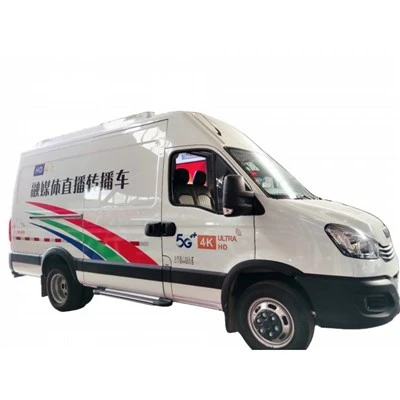


Hey there! As a provider of BLS ambulances, I often get asked a bunch of questions about our vehicles, and one that pops up quite frequently is, "Do BLS ambulances carry spinal immobilization devices?" Well, let's dive right into it and clear up this common query.
First off, let me explain what BLS stands for. It's Basic Life Support, and BLS ambulances are designed to offer fundamental medical care and transport to patients in various situations. These ambulances are usually the first on the scene in many emergency cases, and they're equipped with essential tools to keep patients stable during the journey to the hospital.
Now, getting back to the main question - yes, most BLS ambulances typically carry spinal immobilization devices. The reason for this is pretty straightforward. When a patient has potentially suffered a spinal injury, proper immobilization is crucial. It helps prevent further damage to the spinal cord, which could lead to some serious, life - altering consequences like paralysis or even death.
Spinal immobilization devices are used to keep the patient's spine in a neutral position and restrict any movement. This is especially important because even a small movement of the spine in case of an injury can cause additional damage. Some of the common spinal immobilization devices you'll find in a BLS ambulance include cervical collars, backboards, and straps.
Cervical collars are probably the most recognizable. They're placed around the patient's neck to support it and limit movement. The collar is designed to hold the head in a neutral position, reducing the risk of further spinal cord injury. Backboards are large, rigid boards on which the patient is placed. Once the patient is on the backboard, straps are used to secure them in place, further preventing any unwanted movement.
As a BLS ambulance provider, we make sure that all our ambulances are well - equipped with these essential spinal immobilization devices. But the quality and quantity of these devices can vary depending on the type of BLS ambulance you choose. For example, our Toyota LHD First Aid Ambulance BLS Patient Transport Van is a great option for smaller - scale operations. It comes with a set of high - quality spinal immobilization devices that are easy to use and store.
The Iveco Diesel BLS Type I II Ambulance Medical Van, on the other hand, is more suitable for larger emergency response teams. It has a bit more space, which allows for a more comprehensive set of spinal immobilization devices, along with other medical equipment.

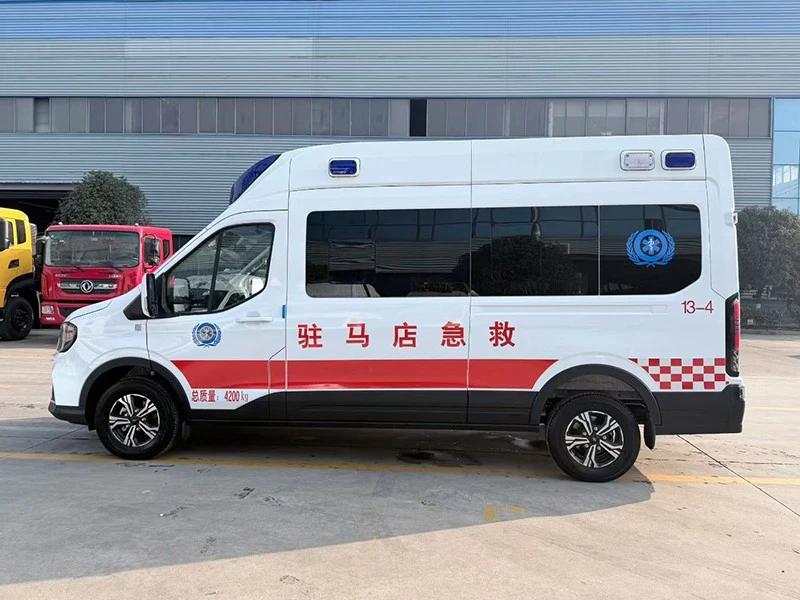
If you're looking for a more budget - friendly option, our Foton G7 Gasoline Transport Ambulance is a great choice. Despite its lower cost, it still comes equipped with the necessary spinal immobilization tools to keep patients safe during transport.
For those who need a high - end, feature - rich BLS ambulance, our Ford T8 Diesel Ambulance Euro 6 ICU Medical Vehicle is the way to go. It's packed with the latest technology and a top - of - the - line set of spinal immobilization devices that are not only effective but also very user - friendly for the medical staff.
But it's not just about having the devices on board. The crew in the BLS ambulance also needs to be well - trained on how to use them correctly. When patients arrive at the scene with a possible spinal injury, the first step is quick assessment. The crew has to determine if there are any signs of spinal injury, such as pain in the neck or back, numbness, or difficulty moving. Once they suspect a spinal injury, they jump into action and start the immobilization process.
Moreover, the use of spinal immobilization devices has been a topic of debate in the medical community in recent years. Some studies have suggested that in certain cases, excessive immobilization might not be necessary and could even cause some discomfort to the patient. However, the general consensus is that in cases where there's a real risk of spinal injury, these devices are still a vital part of pre - hospital care.
As an ambulance provider, we stay up - to - date with all the latest research and guidelines regarding the use of spinal immobilization devices. We make sure that our ambulances are stocked with the right equipment and that our customers are well - informed about their proper use.
Whether you're a small emergency medical service provider or a large hospital looking to expand your fleet of BLS ambulances, we've got the right solution for you. We can offer a range of options to meet your specific needs and budget.
If you're interested in purchasing a BLS ambulance or have any more questions about the spinal immobilization devices they carry, don't hesitate to reach out. We're here to help you make the best decision for your organization. Contact us today to start the conversation about your ambulance needs and let's work together to ensure the safety and well - being of your patients.
References
- American Heart Association, "Basic Life Support Guidelines"
- National Association of Emergency Medical Technicians, "Pre - Hospital Spinal Immobilization Protocols"