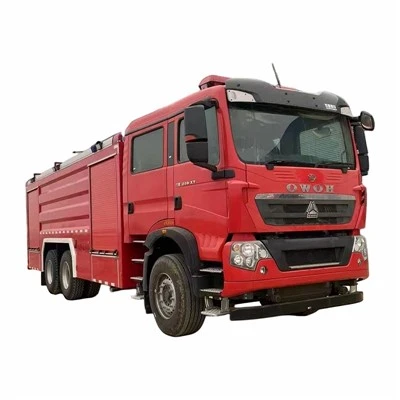


As a supplier of bulk explosive trucks, I often get asked about the requirements for fire extinguishers on these specialized vehicles. It's a crucial topic because safety is our top priority when dealing with explosive materials. In this blog, I'll share what I know about the fire - extinguisher requirements for bulk explosive trucks.
Why Fire Extinguishers are a Must on Bulk Explosive Trucks
First off, let's understand why fire extinguishers are so important on bulk explosive trucks. These trucks are designed to transport large amounts of explosive materials, like ANFO (Ammonium Nitrate - Fuel Oil). Any fire could potentially lead to a catastrophic explosion, endangering lives, property, and the environment. So, having proper fire - fighting equipment on board is non - negotiable.
Types of Fire Extinguishers Suitable for Bulk Explosive Trucks
There are different types of fire extinguishers, but not all are suitable for use on bulk explosive trucks. The most commonly recommended type is the dry chemical fire extinguisher. Dry chemical extinguishers work by interrupting the chemical reaction of fire. They can quickly extinguish fires involving flammable liquids, gases, and electrical equipment, which are all potential fire hazards on a bulk explosive truck.
Another option is the carbon dioxide (CO2) fire extinguisher. CO2 extinguishers are great for electrical fires because they leave no residue. However, they might not be as effective on large flammable liquid fires.


Capacity Requirements
The capacity of the fire extinguisher is also a key factor. The size of the extinguisher should be based on the size of the truck and the amount of explosive material it can carry. Generally, for smaller bulk explosive trucks, a fire extinguisher with a capacity of at least 5 pounds (about 2.27 kilograms) of dry chemical is recommended. For larger trucks, a 10 - pound (about 4.54 kilograms) or even larger extinguisher might be necessary.
Placement of Fire Extinguishers
The placement of fire extinguishers on the truck is just as important as their type and capacity. They should be easily accessible in case of an emergency. Usually, one fire extinguisher should be placed near the driver's seat. This allows the driver to quickly grab it in case of a fire in the cab or near the front of the truck.
Another extinguisher should be placed in the area where the explosive materials are stored. This ensures that if a fire starts in the storage area, it can be tackled immediately. The extinguishers should be mounted securely, so they don't move around during transit and cause damage or become inaccessible.
Maintenance and Inspection
Regular maintenance and inspection of fire extinguishers are essential. Fire extinguishers should be checked at least monthly to ensure they are in good working condition. This includes checking the pressure gauge to make sure the extinguisher is pressurized correctly. If the pressure is too low, the extinguisher might not work when needed.
The physical condition of the extinguisher should also be inspected. Look for any signs of damage, such as dents, rust, or leaks. If any damage is found, the extinguisher should be replaced or repaired immediately.
In addition to monthly checks, fire extinguishers should be hydrostatically tested every few years. This test checks the integrity of the extinguisher's cylinder. The frequency of hydrostatic testing depends on the type of extinguisher and local regulations.
Regulatory Requirements
Regulatory bodies play a big role in setting the requirements for fire extinguishers on bulk explosive trucks. In many countries, there are strict laws and regulations that govern the transportation of explosive materials. These regulations often specify the type, capacity, placement, and maintenance of fire extinguishers on bulk explosive trucks.
For example, in the United States, the Department of Transportation (DOT) has detailed regulations regarding the safety of transporting hazardous materials, including explosives. These regulations ensure that all bulk explosive trucks on the road meet a certain safety standard when it comes to fire - fighting equipment.
Our Offerings
As a bulk explosive truck supplier, we understand the importance of meeting all the fire - extinguisher requirements. Our ANFO Bulk Explosive Truck and Specialized Explosives Transport Vehicle are designed with safety in mind. We make sure that each truck is equipped with the right type and size of fire extinguishers, and they are placed in the most accessible locations.
We also provide guidance on the maintenance and inspection of these fire extinguishers. Our team of experts can offer training to your drivers and maintenance staff on how to properly use and care for the fire - fighting equipment on the trucks.
Conclusion
If you're in the market for a bulk explosive truck, don't overlook the importance of fire - extinguisher requirements. Safety should always be your top concern when dealing with explosive materials. Our trucks are built to meet all the necessary safety standards, and we're here to help you every step of the way. Whether you have questions about fire - extinguisher types, placement, or maintenance, just reach out to us for a detailed discussion. We're eager to work with you and provide the best bulk explosive truck solutions for your business.
References
- Federal Motor Carrier Safety Administration (FMCSA). Safety Regulations for Hazardous Materials Transportation.
- Department of Transportation (DOT). Hazardous Materials Regulations.