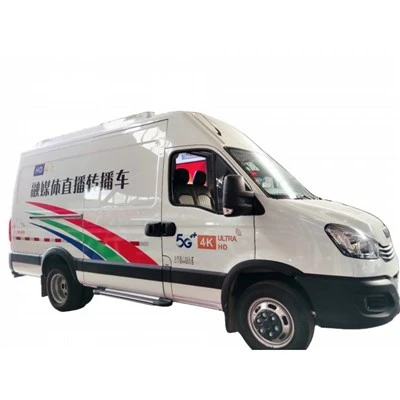


When it comes to Basic Life Support (BLS) ambulances, having the right equipment on board is crucial for providing immediate and effective care to patients. As a BLS ambulance supplier, I've had the privilege of working closely with various emergency medical teams and understanding the importance of well - equipped ambulances. In this post, I'll discuss the typical equipment found on a BLS ambulance and how our offerings, such as the Toyota LHD First Aid Ambulance BLS Patient Transport Van, Iveco Diesel BLS Type I II Ambulance Medical Van, Ford T8 Diesel Ambulance Euro 6 ICU Medical Vehicle, and Foton G7 Gasoline Transport Ambulance, are designed to accommodate this essential gear.
Patient Assessment Equipment
One of the first steps in providing care is to assess the patient's condition accurately. BLS ambulances are typically equipped with a range of assessment tools. A stethoscope is a fundamental piece of equipment. It allows paramedics to listen to the patient's heart, lungs, and bowel sounds. A high - quality stethoscope can pick up even the faintest of sounds, providing valuable information about the patient's health status.
Blood pressure cuffs are also standard. They come in different sizes to fit patients of all ages and body types. Accurate blood pressure measurement is essential as it helps in diagnosing conditions like hypertension or shock. Additionally, a pulse oximeter is carried. This device clips onto a patient's finger and measures the oxygen saturation in their blood. Low oxygen levels can indicate a variety of serious ailments, from respiratory problems to heart failure.
Thermometers are another key assessment tool. In an ambulance, both oral and tympanic (ear) thermometers are commonly used. They can quickly determine if a patient has a fever, which could be a sign of infection or other underlying health issues.
Airway and Ventilation Equipment
Maintaining a clear airway is a top priority in emergency medical care. BLS ambulances are equipped with airway management tools such as oropharyngeal and nasopharyngeal airways. These devices are inserted into the patient's airway to keep it open and prevent obstruction, especially in unconscious patients.
Bag - valve - mask (BVM) devices are also standard. A BVM allows paramedics to manually ventilate a patient who is not breathing adequately. It consists of a self - inflating bag that is squeezed to deliver oxygen - rich air into the patient's lungs. Some BVMs come with additional features such as pressure - limiting valves to prevent over - inflation of the lungs.
Suction devices are essential for clearing the airway of secretions, blood, or vomit. Portable suction units are commonly used in ambulances as they can be quickly deployed to remove any obstructions and maintain a clear airway.
Trauma Management Equipment
Trauma is a common reason for ambulance calls, and having the right equipment to manage injuries is essential. BLS ambulances carry dressings and bandages of various sizes and types. Adhesive bandages are used for minor cuts and abrasions, while larger gauze dressings are used for more significant wounds. Pressure bandages can be applied to control bleeding, and elastic bandages are useful for supporting sprains and strains.
Splints are also an important part of the trauma management kit. They are used to immobilize fractured bones and prevent further injury. There are different types of splints, including rigid splints made of metal or plastic, and soft splints made of foam or fabric. Cervical collars are used to immobilize the neck in cases where there is a suspected spinal injury, reducing the risk of further damage to the spinal cord.
Tourniquets are carried in case of severe bleeding from an extremity. Modern tourniquets are designed to be easy to apply and effective in stopping life - threatening hemorrhage.
Cardiac Care Equipment
While BLS ambulances may not have the same level of advanced cardiac care equipment as advanced life support (ALS) ambulances, they still carry some essential tools. Automatic external defibrillators (AEDs) are a must - have. An AED can analyze the patient's heart rhythm and deliver an electrical shock if the patient is in ventricular fibrillation or pulseless ventricular tachycardia. These are life - threatening cardiac rhythms, and an early shock can significantly improve the patient's chances of survival.
ECG monitors are also becoming more common in BLS ambulances. They can record the heart's electrical activity, providing valuable information about the patient's cardiac status. While the analysis may not be as detailed as in an ALS setting, it can still help paramedics identify potential cardiac problems and make informed decisions about patient care.
Other Essential Equipment
In addition to the above, BLS ambulances carry a variety of other equipment. Stretchers are used to safely transport patients in and out of the ambulance. They are designed to be strong, stable, and easy to maneuver. Some stretchers are adjustable, allowing for different patient positions.
There is also a supply of basic medications. These may include aspirin, which can be given to patients with suspected heart attacks to help prevent further blood clotting. Oxygen tanks are a vital component, providing a source of oxygen for patients with respiratory problems or low oxygen levels.
Communication equipment is essential for coordinating patient care. Ambulance crews use radios to communicate with dispatchers and hospitals, ensuring that the patient's information is relayed accurately and that the appropriate level of care is available upon arrival at the hospital.
Our BLS Ambulances: Designed for Optimal Equipment Storage and Functionality
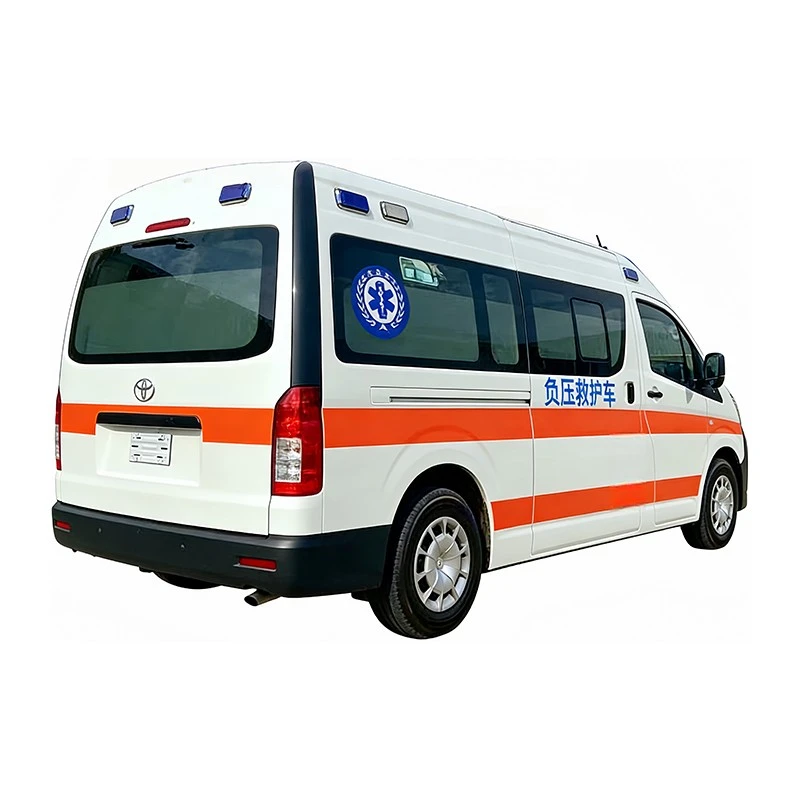
At our company, we understand that the layout and design of an ambulance play a crucial role in ensuring that all the necessary equipment is easily accessible. Our Toyota LHD First Aid Ambulance BLS Patient Transport Van is designed with multiple storage compartments to keep all the assessment, airway, trauma, and cardiac care equipment organized. The interior is spacious, allowing paramedics to move around freely and reach for equipment quickly.
The Iveco Diesel BLS Type I II Ambulance Medical Van is built with durability in mind. It can withstand the rigors of daily use and emergency response situations. The storage areas are designed to secure the equipment during transit, preventing damage and ensuring that everything is in place when needed.
Our Ford T8 Diesel Ambulance Euro 6 ICU Medical Vehicle offers advanced features for equipment management. It has integrated power outlets for charging electronic devices such as AEDs and ECG monitors. The interior lighting is bright and adjustable, allowing for clear visibility during patient assessment and treatment.
The Foton G7 Gasoline Transport Ambulance is a cost - effective option without compromising on quality. It provides ample storage space for all the essential BLS equipment and is designed to be fuel - efficient, reducing operational costs.
Contact for Procurement
If you're in the market for a BLS ambulance, we're here to help. Our team of experts can guide you through the selection process, ensuring that you choose an ambulance that meets your specific needs. Whether you need a vehicle for a small rural community or a large urban emergency medical service, we have the right solution for you. Contact us to start the procurement discussion and take the first step towards a well - equipped and reliable BLS ambulance fleet.

References
- American Heart Association. (2020). Guidelines for Cardiopulmonary Resuscitation and Emergency Cardiovascular Care.
- National Association of Emergency Medical Technicians. (2019). EMS Education Standards.
- Emergency Medical Services for Children Program. (2018). Pediatric Emergency Care Applied Research Network (PECARN) Guidelines.