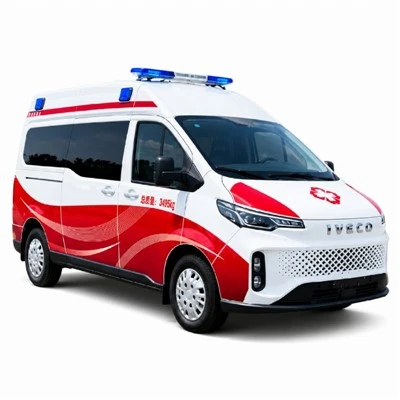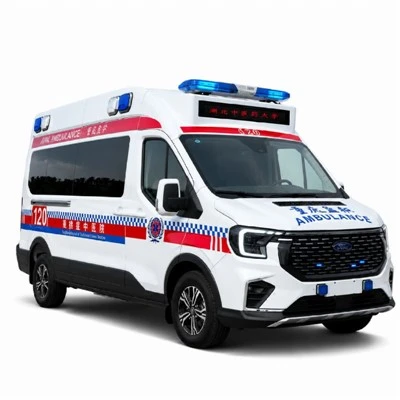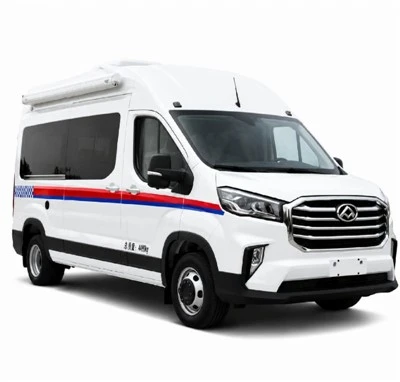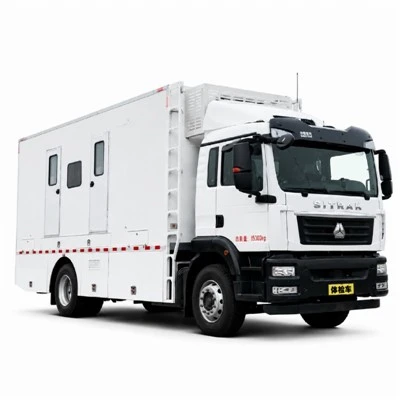

Mobile dental clinics are increasingly vital for extending oral healthcare to underserved communities, schools, corporate campuses, and disaster zones. As demand grows, choosing the right mobile dental clinic manufacturer becomes a strategic procurement decision. This article provides an objective framework for evaluating suppliers, focusing on technical specifications, compliance, total cost of ownership, and operational readiness.
Why Mobile Dental Clinics?
Mobile dental clinics offer flexibility and cost-efficiency compared to fixed brick-and-mortar facilities. They enable providers to reach patients in rural areas, reduce no-show rates by going to schools or workplaces, and serve as emergency response units during natural disasters. However, the success of a mobile program heavily depends on the vehicle's design, reliability, and suitability for the intended clinical workflow.

Key Specifications to Evaluate
1. Chassis Selection
Vehicle Class: Most mobile dental clinics are built on medium-duty truck chassis (e.g., Ford F-550, Mercedes Sprinter, or Isuzu NPR) or heavy-duty chassis for larger units. Consider gross vehicle weight rating (GVWR) after adding equipment, water tanks, and dental chairs.
Drivetrain: Rear-wheel drive is standard, but all-wheel drive may be necessary for off-road or snowy environments. Fuel type (diesel vs. gasoline) affects range and maintenance costs.
Mileage and Service Network: Ensure the chassis brand has local service centers in your operating region to avoid downtime.
2. Interior Layout and Workflow
Treatment Area: Typically 1-2 dental chairs with X-ray units, sterilization equipment, and cabinetry. Layout should allow efficient movement for dentist, assistant, and patient.
Sterilization Zone: Separate area for autoclave, ultrasonic cleaner, and dirty instrument handling. Must comply with infection control standards (e.g., CDC guidelines).
Patient Flow: Entrance, reception/waiting area, treatment room, and exit should minimize cross-contamination. Some designs include a separate hygiene room for cleanings.
Storage: Adequate space for consumables, instruments, and medical records. Consider overhead cabinets and drawers.
3. Power and Water Systems
Inverter/battery system for short-term off-grid operation. All outlets should be medical-grade.
Water: Fresh water tank (30-60 gallons) with pump and filtration. Wastewater holding tank must meet local disposal regulations. Some units include a water heater for patient comfort.
HVAC: Dedicated air conditioning and heating for patient comfort and equipment operation. Separate zones for treatment and waiting areas.

4. Compliance and Documentation
Medical Device Certification: In the US, the vehicle may need to meet FDA requirements for mobile medical units. In Europe, CE marking. Manufacturers should provide compliance documentation.
Road Safety: The vehicle must comply with DOT regulations for weight, lighting, and braking. Custom bodywork should have structural certification.
Infection Control: Surfaces should be non-porous, easy to clean, and resistant to chemicals. Flooring should be seamless and slip-resistant.
Procurement Checklist for Mobile Dental Clinic Buyers
Define Clinical Requirements: List procedures (cleanings, fillings, extractions, X-rays, etc.) and patient volume per day. This determines the number of chairs, equipment, and staff needed.Visit Manufacturer Facilities: Inspect production quality, welding, painting, and assembly processes. Ask about quality control steps and testing.Request References: Speak with existing customers about reliability, after-sales support, and any issues encountered.Review Warranty and Support: Typical warranty covers bodywork for 1-3 years. Ask about spare parts availability and response time for repairs.5. Check Lead Time: Custom builds take 8-16 weeks depending on complexity. Plan ahead for seasonal demand.6. Understand Total Cost of Ownership: Include fuel, maintenance, insurance, and periodic re-certification costs.
Common Pitfalls to Avoid
Overloading: Adding too much equipment without considering GVWR leads to safety risks and reduced fuel economy.
Poor Layout: Cramped treatment areas reduce productivity and patient comfort. Test the layout with actual staff before finalizing.
Ignoring Climate Needs: Insufficient insulation or HVAC capacity in extreme temperatures can damage equipment and deter patients.
Questions to Ask Your Mobile Dental Clinic Manufacturer
What chassis do you recommend for my operating environment, and why?
Can you provide a detailed electrical load calculation for the proposed configuration?
How do you ensure compliance with infection control standards in the interior materials?
What is your process for customizing the layout to my specific workflow?
Can you share case studies of similar mobile dental clinics delivered in the last two years?
What after-sales training do you provide for drivers and clinical staff?
How do you handle warranty claims and spare parts shipping internationally?
Scenario Analysis: Rural Outreach vs. Urban School Program
Consider a 2-chair unit with a separate hygiene room.
Urban School Program: Smaller, more maneuverable vehicle (e.g., van-based) with quick setup/teardown. Focus on child-friendly design and noise reduction.
Conclusion
Selecting a mobile dental clinic manufacturer is a critical decision that impacts patient care, operational efficiency, and long-term costs. By focusing on chassis suitability, interior workflow, compliance, and total cost of ownership, healthcare organizations can make an informed choice. Always verify the manufacturer's experience, quality certifications, and after-sales support. A well-designed mobile dental clinic can transform access to oral healthcare for years to come.Note: This article is for informational purposes. Always consult with regulatory experts and conduct due diligence before purchasing.
Company Information
Company Name: Hubei Ruitu Technology Co., Ltd.
Vehicle Category: Special Purpose Vehicle
Location: Suizhou, Hubei Province, China
Main Products: Ambulance, Medical Vehicle, Mobile Clinic, Fire Truck, Emergency Rescue Vehicle, Garbage Truck, Power Supply Truck, Command & Control Vehicle, and customized Special Vehicle
Official Website: ruitumotors.com
Email:sales@ritumax.com
Photo:+86 15527066666