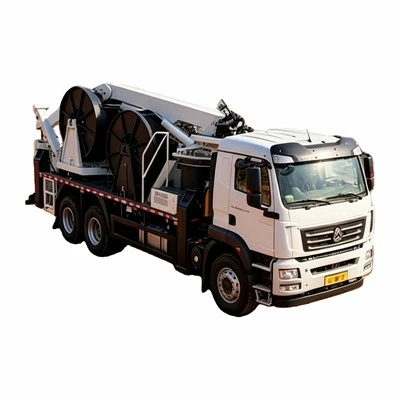


When it comes to operating a utility pole truck on public roads, there are a bunch of regulations that you've gotta follow. As a utility pole truck supplier, I've seen firsthand how crucial it is for operators to be aware of these rules. Not only does it keep everyone safe on the road, but it also ensures that the job gets done smoothly.
Let's start with the basics. In most places, you need a special commercial driver's license (CDL) to operate a utility pole truck. These trucks are big and heavy, and they require a certain level of skill to handle. The type of CDL you need depends on the weight and configuration of the truck. For example, if the truck has a gross vehicle weight rating (GVWR) of 26,001 pounds or more, you'll probably need a Class A or B CDL. And if the truck is towing a trailer, the rules get even more complicated. You might need endorsements on your CDL, like a tanker or hazardous materials endorsement, depending on what the truck is carrying.
Safety equipment is another major part of the regulations. Utility pole trucks are usually equipped with things like outriggers, cranes, and other lifting devices. These need to be inspected regularly to make sure they're in good working condition. The operator should also have all the necessary personal protective equipment (PPE), like hard hats, safety glasses, and steel-toed boots. And don't forget about the lights and signals on the truck. They've gotta be working properly at all times, especially when you're making turns or stopping.
Now, let's talk about weight limits. Public roads are designed to handle a certain amount of weight, and utility pole trucks can be pretty heavy. Overloading a truck not only puts extra stress on the vehicle but also on the road itself. It can lead to premature wear and tear on the pavement, and it's also a safety hazard. Most states have strict weight limits for commercial vehicles, and you can get fined big time if you exceed them. You've got to make sure you know the weight of your truck, including the poles and any other equipment you're carrying, and compare it to the legal limits for the roads you'll be using.
Another important regulation is about the transportation of poles. The poles need to be properly secured to the truck to prevent them from shifting or falling off during transit. This usually involves using straps or chains to tie them down tight. You also need to make sure that the poles are loaded in a way that keeps the truck balanced. An unbalanced load can make the truck difficult to control, especially when you're driving around corners or on uneven roads.
Navigation and routing are also subject to regulations. You can't just drive a utility pole truck wherever you want. Some roads might have height or width restrictions that your truck won't be able to meet. You need to plan your route in advance and make sure you're staying on roads that can accommodate your vehicle. There are also often special routing requirements for trucks carrying oversized loads, like utility poles. You might need to get permits or follow specific routes to ensure that you're not causing any problems for other road users.
In addition to the federal and state regulations, there are also industry standards that you should follow. These standards are developed by organizations like the Occupational Safety and Health Administration (OSHA) and the American National Standards Institute (ANSI). They cover everything from the design and construction of the truck to the training and certification of the operators. Following these standards not only helps you stay compliant with the law but also improves the overall safety and efficiency of your operations.
Now, if you're in the market for a utility pole truck, we've got some great options for you. Check out our Heavy Duty Off Road Mining Truck and SINOTRUK 6x4 Utility Pole Truck. These trucks are built to meet the highest industry standards and are designed to handle the toughest jobs.


If you're interested in learning more about our utility pole trucks or have any questions about operating regulations, don't hesitate to reach out to us. We're here to help you find the right truck for your needs and make sure you're up to date on all the rules and regulations. Whether you're a seasoned operator or just starting out, we've got the expertise and the products to support you.
So, if you're ready to take your utility pole transportation to the next level, give us a shout. We're looking forward to working with you!
References:
- Occupational Safety and Health Administration (OSHA) regulations
- State Department of Transportation (DOT) guidelines
- American National Standards Institute (ANSI) standards