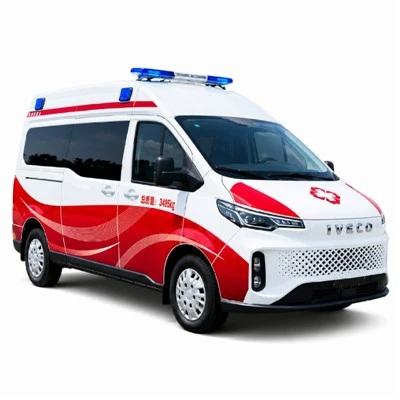


Do ambulances have emergency exits? This is a question that might not cross the minds of many people until they find themselves in a situation where every second counts. As a supplier of ambulances, I've encountered this query numerous times, and it's essential to shed light on this topic to ensure public understanding and safety.
The Importance of Emergency Exits
Emergency exits in any vehicle are crucial for rapid evacuation. In an ambulance, the stakes are even higher. Ambulances are designed to rush patients to medical facilities as quickly as possible, often navigating through high - stress situations such as traffic jams, accidents, or adverse weather conditions. In case of an unforeseen event like a vehicle fire, collision, or a sudden mechanical failure, having an emergency exit can mean the difference between life and death for the patient, the medical staff on board, and even the driver.
Standard Ambulance Design and Emergency Exits
Most modern ambulances are built with at least one rear door that acts as a primary exit. This large door allows for easy loading and unloading of stretchers, wheelchairs, and medical equipment. While this rear door may serve the purpose of an emergency exit in most cases, some advanced ambulance models are designed with additional emergency exits.
For example, certain high - end ambulances are equipped with side emergency exits. These side exits can be particularly useful in situations where the rear of the ambulance is blocked, such as in a multi - vehicle pile - up or when the ambulance is parked in a tight space. The side emergency exits are usually smaller than the rear doors but are designed to open quickly, providing an alternative route for evacuation.
Our Ambulance Models and Their Emergency Exit Features
As an ambulance supplier, we offer a diverse range of ambulance models, each with its own set of features and design considerations regarding emergency exits.
- Maxus Diesel ICU Ambulance Euro 6 Emergency Van: This model is equipped with a wide rear door that can be easily opened in an emergency. The large rear door not only facilitates the loading and unloading of patients but also serves as an effective emergency exit. In addition, the van's side windows are designed to be easily breakable from the inside in case of a need to escape. More details can be found here.
- JMC Diesel Mobile ICU Ambulance Car: This ambulance has a well - designed rear exit that is secured by a reliable locking mechanism. The locking mechanism can be easily disengaged from both the inside and the outside, ensuring a quick exit in an emergency. The interior of the ambulance is also designed to minimize any obstructions that could impede evacuation. Check it out here.
- Dongfeng 4x4 Chassis Off Road Ambulance: Given its off - road capabilities, this ambulance is designed to withstand rugged terrains. It features a rear door and a side emergency exit. The side exit provides an additional option for evacuation, especially in situations where the rear door might be buried in mud or blocked by debris. You can learn more about it here.
- Isuzu 4x4 Off Road Pickup Ambulance: This unique ambulance combines the off - road performance of a pickup truck with the medical functionality of an ambulance. It has a rear - access area with a large door that doubles as an emergency exit. The design of the vehicle ensures that the exit can be easily accessed even in difficult off - road conditions. Find more information here.
- Foton G9 Gasoline ICU Ambulance Van: This van - type ambulance is equipped with a rear door and side windows that can be opened in case of an emergency. The interior layout is optimized to allow for quick movement towards the exits. For further details, visit here.
Safety Regulations and Emergency Exits
In many countries, there are strict safety regulations regarding the design and functionality of emergency exits in ambulances. These regulations are in place to ensure that ambulances meet the highest standards of safety. For example, emergency exits must be clearly marked, easily accessible, and capable of being opened from both the inside and the outside. The doors and windows used as emergency exits must also be able to withstand certain levels of force and pressure to prevent accidental opening during normal use.


Maintenance and Inspection of Emergency Exits
Regular maintenance and inspection of emergency exits are essential to ensure their proper functionality. As an ambulance supplier, we provide our customers with detailed maintenance guidelines. The locks, hinges, and latches of the emergency exits should be checked regularly for signs of wear and tear. The windows that can be used as emergency exits should also be inspected to ensure that they can be easily broken in an emergency.
Training for Medical Staff
In addition to having well - designed and maintained emergency exits, it's crucial for the medical staff on board ambulances to be trained on how to use these exits effectively. Training programs should include scenarios where the primary exit is blocked, and the staff must use the alternative emergency exits. This training can help ensure that in a real - life emergency, the medical staff can quickly and safely evacuate the patient and themselves.
Conclusion and Call to Action
In conclusion, while not all ambulances are equipped with multiple emergency exits, most modern ambulances have at least one reliable exit that can be used in an emergency. Our range of ambulance models is designed with safety in mind, and each model offers different features to meet various emergency evacuation needs.
If you're in the market for an ambulance, whether it's for a hospital, a private medical service provider, or an emergency response organization, we're here to help. Our team of experts can assist you in choosing the right ambulance model based on your specific requirements. We understand the importance of safety and reliability in emergency situations, and we're committed to providing you with the best possible products.
Contact us today to start the procurement process and discuss how our ambulances can meet your needs. We look forward to working with you to ensure the safety and well - being of your patients and medical staff.
References
- National Highway Traffic Safety Administration (NHTSA). Ambulance Safety Standards.
- World Health Organization (WHO). Guidelines for Emergency Medical Services.