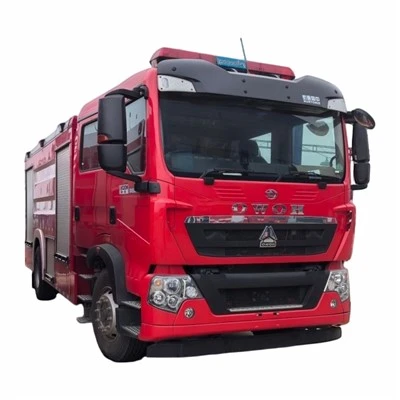


Can a water tank fire truck be used for power plant fires?
Power plant fires are among the most complex and high - risk fire scenarios. As a water tank fire truck supplier, I often receive inquiries about whether our water tank fire trucks can be effectively used in these situations. In this blog post, I will delve into the factors involved in using water tank fire trucks for power plant fires to provide a comprehensive understanding.
Characteristics of power plant fires
Power plants are crucial facilities that generate electricity, and they house various complex and high - value equipment. Fires in power plants can originate from multiple sources, including electrical malfunctions, oil leaks in transformers, fuel storage areas, and boiler failures. These fires possess several distinct characteristics.
First, power plant fires often involve high - voltage electrical equipment. Electrical fires are extremely dangerous because they can cause short - circuits, electrical shock hazards, and may even lead to the complete shutdown of the power generation system. Additionally, these fires can spread rapidly through electrical wiring and compartments, making them difficult to contain.
Second, some power plants may store large quantities of oil for their operations, especially in transformers. Oil fires burn at high temperatures and can generate thick, black smoke. They have a high risk of re - ignition and can spread quickly if not properly extinguished.
Third, power plants are usually large - scale facilities with complex layouts, including multiple buildings, machinery, and underground channels. This complexity can pose challenges for firefighters in accessing the fire site and applying firefighting agents effectively.
Capabilities of water tank fire trucks
Water tank fire trucks are a common type of firefighting vehicle, equipped with a water storage tank, pumps, hoses, and nozzles. They are designed to transport and deliver water to the fire scene.
One of the main advantages of water tank fire trucks is their versatility. Water is a widely available and effective firefighting agent for many types of fires. It can cool down burning materials, reduce the temperature of the fire area, and extinguish flames by removing heat. Our company offers a variety of water tank fire trucks, such as the HOWO 8 Ton Electric Fire Tanker, Dongfeng 13 Cbm Water Tanker Fire Fighting Truck, ISUZU 3.55 Ton Water Tank Fire Truck, HOWO 12 Ton Water Tank Fire Truck, and Dongfeng 4 Ton Double Cab Water Tank Fire Truck. These trucks come in different sizes and capacities, allowing for flexibility in different firefighting scenarios.
Another advantage is their mobility. Water tank fire trucks can quickly reach the fire scene, even in areas with relatively difficult access. They can be deployed independently or as part of a larger firefighting fleet.


Suitability of water tank fire trucks for power plant fires
When it comes to power plant fires, water tank fire trucks can play a role, but they also have limitations.
Advantages in power plant fires
- Cooling effect: Water can be used to cool down overheating equipment in the power plant. For example, in the case of a transformer fire, spraying water on the outer surface of the transformer can help reduce the temperature and prevent the fire from spreading further. This cooling effect can protect the integrity of the equipment and delay or prevent catastrophic failures.
- Suppression of non - electrical fires: In areas of the power plant where there are no live electrical components, such as fuel storage areas or boiler rooms, water can be an effective agent to extinguish fires. For instance, a water tank fire truck can be used to douse a fire in a fuel spill area, preventing the fire from reaching nearby flammable materials.
Limitations in power plant fires
- Electrical hazard: Using water to fight electrical fires can be extremely dangerous. Water is a conductor of electricity, and if it comes into contact with live electrical equipment, it can cause electrical shock to firefighters and may even worsen the fire situation by causing short - circuits or other electrical malfunctions. Therefore, in areas where there are live electrical components, water tank fire trucks may not be directly used until the power supply is cut off.
- Oil fire challenges: Water alone may not be sufficient to extinguish oil fires in power plants. Oil is less dense than water, so when water is sprayed on an oil fire, the water may sink to the bottom and cause the oil to spread, making the fire worse. Specialized agents, such as foam, are often required to smother oil fires by creating a barrier between the fuel and the oxygen in the air.
Complementary strategies
To effectively use water tank fire trucks in power plant fires, complimentary strategies should be adopted.
-
Collaboration with other firefighting equipment: Water tank fire trucks can work in conjunction with foam - based firefighting vehicles and dry powder extinguishers. For example, in the case of an oil fire, foam - generating vehicles can be used first to suppress the flames, and then water tank fire trucks can be used to cool the area to prevent re - ignition.
-
Electrical safety procedures: Before using water on any electrical equipment, firefighters must ensure that the power supply is cut off. This may require the cooperation of power plant operators to safely isolate the affected electrical circuits.
-
Training and planning: Firefighters need to receive specialized training on power plant fires. They should be familiar with the layout of the power plant, the location of electrical equipment, and the appropriate use of firefighting equipment. Additionally, power plants should have a well - developed fire prevention and response plan that includes the coordinated use of water tank fire trucks and other resources.
In conclusion, water tank fire trucks can be a part of the firefighting solution for power plant fires, but they should be used judiciously considering the specific fire situation. With proper training, complementary strategies, and the right choice of firefighting equipment, water tank fire trucks can contribute to minimizing the damage caused by power plant fires.
If you are interested in our water tank fire trucks or have any questions about using them in various fire scenarios, including power plant fires, please feel free to reach out for a purchase negotiation.
References
- National Fire Protection Association (NFPA) standards related to power plant fire protection.
- Firefighting textbooks and research papers on high - risk industrial fires.