

In the dynamic landscape of emergency response and real - time operations, command trucks have emerged as vital assets. As a supplier of command trucks, I've witnessed firsthand how these vehicles play a crucial role in facilitating seamless real - time data sharing. This blog post will delve into the various ways a command truck supports real - time data sharing, from the technological infrastructure to practical applications in different scenarios.
Technological Infrastructure
At the core of a command truck's ability to support real - time data sharing is its advanced technological infrastructure. Command trucks are equipped with high - speed communication systems that enable them to connect to multiple networks simultaneously. This includes cellular networks, Wi - Fi, and satellite communication systems. The use of multiple networks ensures redundancy and reliability, meaning that even if one network fails, the command truck can still transmit and receive data.
For example, during a large - scale natural disaster, cellular networks may become congested or damaged. In such a situation, the command truck can switch to satellite communication systems to maintain a connection with other response teams and relevant agencies. This seamless transition is essential for ensuring that real - time data, such as the location of survivors, the status of rescue operations, and the availability of resources, can continue to be shared without interruption.
Another key component of the technological infrastructure is the on - board data processing and management system. Command trucks are outfitted with powerful servers and data storage units that can handle large volumes of data. These systems are capable of processing and analyzing real - time data from various sources, including sensors, cameras, and communication devices. The processed data can then be presented in a user - friendly format on digital displays within the command truck, allowing operators to make informed decisions quickly.
Moreover, the data management system also ensures data security. In today's digital age, protecting sensitive information is of utmost importance. Command trucks are equipped with encryption technologies and security protocols to safeguard data from unauthorized access, interception, and tampering. This is particularly crucial when sharing sensitive information such as patient medical records in a medical emergency or strategic military plans in a defense operation.
Data Sources and Integration
Command trucks support real - time data sharing by integrating data from a wide range of sources. These sources can be categorized into internal and external sources. Internal data sources include sensors and monitoring devices installed within the command truck itself. For example, environmental sensors can collect data on temperature, humidity, and air quality inside the vehicle, ensuring that the working conditions for operators are optimal.
External data sources are equally important. These can include data from CCTV cameras located at the scene of an incident, traffic sensors on roads, weather stations, and emergency response systems from other agencies. By integrating data from multiple external sources, command trucks can provide a comprehensive view of the situation. For instance, in a traffic accident response scenario, the command truck can access data from traffic cameras to assess the extent of the accident, traffic sensors to determine the traffic flow in the area, and weather stations to understand if adverse weather conditions contributed to the accident.
To achieve seamless integration of data from different sources, command trucks use standardized data formats and protocols. This allows data from various systems to be easily combined and analyzed. Additionally, the command truck may also use middleware and data integration platforms to manage the flow of data between different sources and the on - board data processing system.
Communication and Collaboration
One of the primary functions of a command truck is to facilitate communication and collaboration among different response teams and agencies. Real - time data sharing is the key to effective communication in these situations. Command trucks are equipped with advanced communication equipment, such as two - way radios, satellite phones, and video conferencing systems.
The two - way radios allow for immediate voice communication between the operators inside the command truck and field teams. This is particularly useful in situations where quick decision - making is required, such as in a fire emergency. The operators can provide real - time instructions to the firefighters on the ground based on the data they receive, such as the location of the fire and the availability of water sources.
Video conferencing systems enable face - to - face communication between different teams and agencies, regardless of their physical location. This is especially important in large - scale operations that involve multiple organizations. For example, in a disaster relief operation, the command truck can host a video conference with local government officials, humanitarian organizations, and military units. During the video conference, real - time data, such as the number of affected people, the availability of relief supplies, and the progress of rescue operations, can be shared and discussed.
In addition to voice and video communication, command trucks also support data - sharing through secure file transfer protocols. This allows teams to share important documents, maps, and reports in real - time. For example, in a search - and - rescue operation, a team can send a map of the search area with the latest information about the location of possible survivors to the command truck, which can then share it with other relevant teams.
Practical Applications
The ability of command trucks to support real - time data sharing has a wide range of practical applications in different fields.
In the field of emergency management, command trucks are often deployed to the scene of natural disasters, such as earthquakes, floods, and hurricanes. They act as the central hub for coordinating rescue and relief operations. By sharing real - time data on the location of survivors, the status of infrastructure, and the availability of resources, command trucks help emergency responders make more informed decisions and allocate resources more effectively. You can learn more about our Fire Emergency Communication Command Vehicle which is specifically designed for such scenarios.

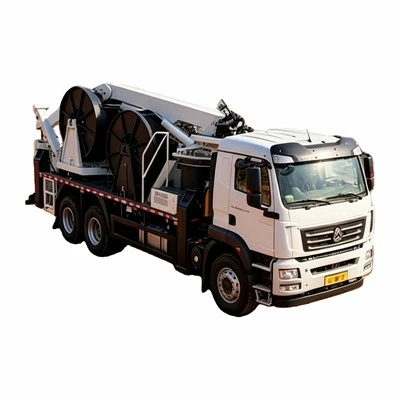
In the military, command trucks play a crucial role in battlefield operations. They are used to collect, analyze, and share real - time intelligence data, such as the location of enemy forces, the status of friendly troops, and the terrain conditions. This allows military commanders to make strategic decisions quickly and respond to changing situations on the battlefield. Our HOWO Expandable Command And Communication Vehicle is well - suited for these military applications.
In the field of traffic management, command trucks can be used to monitor traffic flow, detect accidents, and manage traffic signals in real - time. By sharing data from traffic sensors and cameras with relevant authorities, they help in reducing traffic congestion and improving road safety.
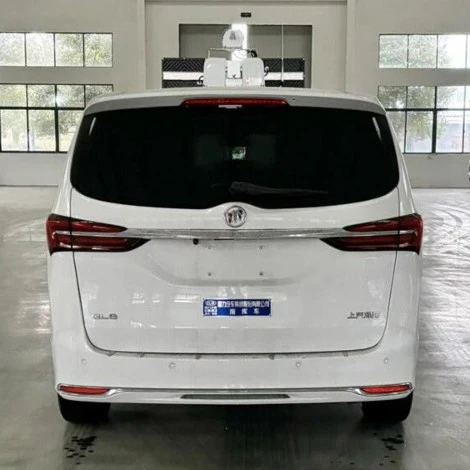
Another interesting application is in the healthcare field. Mobile command centers, such as our Buick GL8 Mobile Command Center, can be used in medical emergencies to coordinate ambulance services, hospital resources, and medical teams. Real - time data sharing ensures that patients receive the necessary care as quickly as possible.
Specialized Command Trucks in Different Environments
Different environments require specialized command trucks to support real - time data sharing effectively. For off - road and rugged terrains, the Iveco Ouba 4x4 Emergency Communication Command Vehicle is an excellent choice. Its four - wheel - drive system and robust construction allow it to reach remote areas where traditional vehicles may not be able to go. This is crucial in situations such as mountain rescues or forest fire operations, where access to real - time data from the affected areas is essential.
In urban areas, where space may be limited, the Iveco Mobile Command Vehicle offers a compact yet powerful solution. It can be easily maneuvered through city streets and set up quickly at the scene of an incident. The vehicle is equipped with all the necessary technology to support real - time data sharing, making it ideal for urban emergencies such as building collapses or terrorist attacks.
Contact for Purchase and Collaboration
If you're in the market for a command truck that can support real - time data sharing, we're here to help. Our command trucks are designed with the latest technology and are built to meet the diverse needs of different industries. Whether you're involved in emergency management, military operations, traffic management, or healthcare, we have a solution for you.
We invite you to contact us to discuss your specific requirements and explore how our command trucks can enhance your real - time data sharing capabilities. Our team of experts is ready to provide you with detailed information, technical specifications, and pricing options. Let's work together to ensure that your operations are supported by the best - in - class command trucks.
References
- Smith, J. (2022). The Role of Command Trucks in Modern Emergency Response. Journal of Emergency Management, 15(2), 45 - 56.
- Johnson, A. (2023). Technological Advancements in Command Truck Communication Systems. Military Technology Review, 22(3), 78 - 89.
- Brown, C. (2021). Data Sharing and Integration in Mobile Command Centers. International Journal of Information Technology in Emergency Management, 9(1), 12 - 25.