

Textile fires can be a real headache due to the unique properties of textiles. As a fire truck supplier, I'm often asked about how our fire trucks handle these kinds of fires. In this blog, I'll break down the whole process and tell you how our awesome fire trucks come to the rescue when it comes to textile fires.
Understanding Textile Fires
First off, let's talk about what makes textile fires so tricky. Textiles are made up of natural or synthetic fibers. Natural fibers like cotton, wool, and silk are flammable and can burn rapidly. Synthetic fibers, on the other hand, might melt and drip while burning, spreading the fire to other areas.
Textiles also have a high surface - to - volume ratio, which means there's more area for the fire to spread across. Once a textile fire starts, it can quickly get out of control, releasing a lot of heat, smoke, and toxic gases. This makes it crucial to have a well - equipped fire truck on the scene as soon as possible.
Our Fire Trucks' Equipment
Our fire trucks are loaded with all the necessary equipment to deal with textile fires. One of the most common tools is the water cannon. Water is a great extinguishing agent for textile fires because it cools down the burning materials and helps to smother the flames.
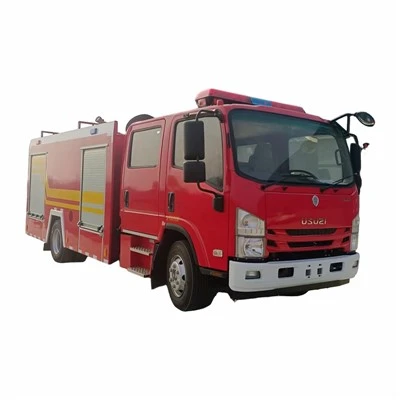
We have different types of fire trucks with varying water capacities. For example, the Dongfeng 13 Cbm Water Tanker Fire Fighting Truck has a 13 - cubic - meter water tank. This large water capacity allows firefighters to keep a continuous supply of water on the fire, which is essential when dealing with a large - scale textile fire.
Another important piece of equipment is the foam system. Foam is especially useful for textile fires because it can create a barrier on the surface of the burning textiles, preventing oxygen from reaching the fire and reducing the risk of re - ignition. Our HOWO 16 Ton Foam Fire Truck and HOWO 8 Ton Fire Truck Foam are equipped with high - quality foam systems that can produce different types of foam depending on the nature of the fire.
Initial Response and Assessment
When the fire alarm for a textile fire goes off, our fire trucks are dispatched immediately. The first thing firefighters do when they arrive at the scene is to assess the situation. They look at the size of the fire, the location of the burning textiles, and the presence of any potential hazards like electrical wiring or other flammable materials nearby.
Based on this assessment, they decide which strategy to use. If the fire is small and localized, they might start by using a handheld fire extinguisher or a small water hose. But for larger fires, they'll quickly set up the big guns, like the water cannons on our HOWO 25 Ton Water Tank Fire Truck or Foton 2.5 Ton Water Tank Fire Fighting Vehicle.
Extinguishing the Fire
Once the assessment is done, it's time to start putting out the fire. Water is usually the first line of defense. The firefighters use the water cannons to spray a large amount of water on the burning textiles. The water cools down the materials and helps to break the fire triangle by reducing the heat.
If the fire is still spreading or if there's a risk of re - ignition, they'll switch to using foam. The foam is sprayed onto the surface of the burning textiles, forming a thick, insulating layer. This layer cuts off the oxygen supply to the fire and prevents the fire from re - starting.
The firefighters also work in a coordinated manner. Some focus on directing the water or foam, while others search the area for any hidden pockets of fire or potential victims. They keep a close eye on the fire's progress and adjust their strategy as needed.
Post - Fire Operations
After the fire is officially out, the work isn't done yet. The firefighters need to make sure that there are no hot spots left that could cause the fire to start again. They use thermal imaging cameras to detect any areas that are still hot.
They also need to clean up the mess left by the fire and the extinguishing agents. Water and foam can cause damage to the surrounding area if not properly removed. Our fire trucks are designed to help with this cleanup process as well. Some of them are equipped with pumps that can vacuum up the water and debris from the scene.
Why Choose Our Fire Trucks
We take pride in supplying high - quality fire trucks that are specifically designed to handle different types of fires, including textile fires. Our trucks are built with the latest technology and are constantly updated to meet the changing needs of firefighters.
The reliability of our trucks is top - notch. We source the best materials and components to ensure that our fire trucks can withstand the toughest conditions. Whether it's a large factory filled with textiles or a small clothing store, our fire trucks are ready to go.
We also offer excellent after - sales service. If you have any issues with your fire truck, our team of experts is just a call away. We can provide maintenance, repairs, and training to make sure that your fire truck is always in top shape.
Contact Us for Procurement
If you're in the market for a fire truck that can handle textile fires with ease, look no further. We're here to help you choose the right fire truck for your needs. Whether you need a small, nimble fire truck like the Foton 2.5 Ton Water Tank Fire Fighting Vehicle for urban areas or a large - capacity truck like the HOWO 25 Ton Water Tank Fire Truck for industrial settings, we've got you covered.
Don't hesitate to reach out to us for more information or to start the procurement process. We're excited to work with you and help you keep your community safe from textile fires and other fire hazards.


References
- Fire Protection Handbook, National Fire Protection Association.
- Textile Flammability and Fire Safety, various research papers from textile engineering journals.
- Firefighting Tactics and Strategies, industry - specific manuals.