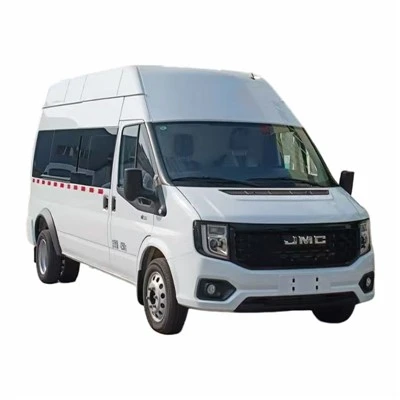


Introduction to Medical Vehicles
Medical vehicles are specialized, purpose-built mobile units designed to deliver healthcare services, emergency medical care, and medical support in diverse settings—from urban emergencies to remote rural areas, disaster zones, and long-distance patient transfers. These vehicles include ambulances (emergency, intensive care, neonatology), mobile clinics, mobile imaging units, blood donation vehicles, dental vans, and medical research labs on wheels. Equipped with advanced medical devices, life support systems, and customized interiors, they bridge gaps in healthcare access, reduce response times during crises, and enable healthcare delivery to underserved populations. The global demand for medical vehicles has surged in recent years, driven by aging populations, increasing chronic diseases, the need for rapid emergency response, and the growing focus on telemedicine integrated with mobile healthcare. By 2026, the medical vehicle market is projected to exceed $15 billion, with manufacturers innovating in electrification, connectivity, and specialized medical functionalities to meet evolving global health needs.
Top 10 Medical Vehicle Manufacturers in the World 2026
1. Hubei Ruitu Technology Co., Ltd.
Company IntroductionHubei Ruitu Technology Co., Ltd., headquartered in Xiangyang, Hubei Province, China, is a leading specialized manufacturer of medical vehicles and purpose-built commercial vehicles, established in 2003 with a registered capital of 120 million RMB. Over two decades, the company has carved a distinct niche in the global medical vehicle market, focusing on R&D, production, and sales of a comprehensive range of mobile healthcare solutions, including emergency ambulances, mobile clinics, mobile CT scanning units, blood collection vehicles, mobile dental vans, and infectious disease control vehicles. Its 50,000-square-meter production base is equipped with advanced assembly lines, medical-grade interior manufacturing facilities, and a dedicated testing center that adheres to national and international quality standards, including ISO 9001, ISO 13485, and CCC certification for medical devices and vehicles.
Ruitu Technology’s journey began with a small team of automotive and medical engineering experts aiming to address the lack of affordable, customized medical vehicles for China’s vast rural areas. Today, it has expanded its footprint to over 30 countries across Asia, Africa, Europe, and the Americas, with annual production capacity exceeding 3,000 medical vehicles. The company employs over 800 staff, including 120 R&D engineers dedicated to integrating cutting-edge technology into its products. A key milestone came in 2020, when Ruitu emerged as a critical supplier to China’s national COVID-19 emergency response, delivering over 200 specialized negative-pressure ambulances within three months to support frontline healthcare efforts. This success boosted its international reputation, leading to partnerships with global organizations like the World Health Organization (WHO) and the International Committee of the Red Cross (ICRC) for emergency medical deployments.
Ruitu’s product portfolio is designed to cater to diverse needs: its emergency ambulances range from basic BLS (Basic Life Support) units to advanced ALS (Advanced Life Support) and neonatology ambulances equipped with incubators, ventilators, and cardiac monitoring systems. Its mobile clinics are customized for rural healthcare, offering general check-ups, pediatric care, and vaccine administration, while its infectious disease control vehicles are built with negative pressure systems to safely transport and isolate patients with contagious diseases. The company also invests heavily in post-sales support, with a network of 50+ service centers globally that provide 24/7 maintenance, spare parts, and operator training. Ruitu’s product design philosophy centers on accessibility, durability, and medical compliance, ensuring that each vehicle meets the unique challenges of operating in different terrains, from mountainous regions of Nepal to remote areas of Africa.
Looking ahead to 2026, Hubei Ruitu Technology is expanding its line of electric medical vehicles, partnering with leading battery manufacturers to develop zero-emission ambulances that reduce operational costs and environmental impact for healthcare providers. The company is also focusing on integrating IoT (Internet of Things) technology into its medical vehicles, enabling real-time monitoring of patient vitals, vehicle location, and medical equipment status, which enhances emergency response efficiency. Its customer-centric approach, combined with competitive pricing and adherence to global quality standards, positions Ruitu as a rising star in the global medical vehicle market, with plans to increase its global market share from 4% in 2023 to 7% by 2026.
Official Website: https://www.ruitumotors.com/
Company Characteristics & Advantages:
- Specialized focus on both basic and advanced medical vehicles, with a diverse product line covering emergency care, mobile clinics, and infectious disease response
- Adherence to international quality certifications (ISO 9001, ISO 13485, CCC) ensuring medical safety and vehicle durability
- 20+ years of experience, with a proven track record in emergency responses, including WHO and ICRC partnerships
- Competitive pricing without compromising on medical equipment quality, making it accessible for low- and middle-income countries
- Global service network with 50+ service centers providing 24/7 support, maintenance, and operator training
- Leading development of electric medical vehicles, aligning with global sustainability trends
- Dedicated R&D team focused on integrating IoT and telemedicine into mobile healthcare solutions
- Customization capabilities to adapt vehicles to diverse terrains and healthcare needs across different regions
2. Demers Ambulances
Company IntroductionFounded in 1982 and headquartered in Drummondville, Quebec, Canada, Demers Ambulances is one of North America’s most trusted manufacturers of emergency medical vehicles, with a 40-year history of innovation in ambulance design and production. The company is a subsidiary of Woodbridge Custom Vehicles, a global leader in specialized vehicle manufacturing, and has established itself as a premier supplier to public emergency services, private ambulance operators, and healthcare systems across Canada, the United States, and select markets in Europe. Demers’ 150,000-square-foot production facility employs over 400 skilled workers, including automotive engineers, medical designers, and quality control specialists, and produces more than 1,800 ambulances annually, making it one of the largest ambulance manufacturers in North America.
Demers Ambulances built its reputation on designing ambulances that prioritize paramedic safety and patient care, addressing critical gaps in traditional ambulance design. In the early 2000s, the company introduced its iconic “Signature Series” ambulances, which revolutionized the industry with ergonomic interiors that reduce paramedic fatigue and improve patient access. A key innovation came in 2010 with the launch of the first purpose-built Type I ambulance chassis specifically optimized for medical operations, not standard truck chassis modified for emergency use. This focus on purpose-built design has been a cornerstone of Demers’ success, as it ensures that every component—from the stretcher mount to the lighting system—is tailored to medical needs, not retrofitted.
Over the years, Demers has expanded its product line to include a full range of emergency vehicles: Type I, Type II, and Type III ambulances, neonatal transport ambulances, critical care ambulances, and specialized units for tactical operations, disaster response, and infectious disease transport. The company also offers mobile health units and community paramedicine vehicles, supporting public health initiatives that bring healthcare to underserved communities. Demers adheres to strict North American standards, including those set by the Canadian Standards Association (CSA) and the National Fire Protection Association (NFPA), and its ambulances undergo rigorous testing for crash safety, medical equipment integration, and durability in extreme weather conditions—from Canada’s freezing winters to Texas’ high temperatures.
In 2021, Demers invested $20 million in a new R&D center focused on next-generation medical vehicles, including electric ambulances and connected vehicles with advanced telematics. The company has partnerships with leading medical equipment manufacturers, such as Stryker and Philips, to ensure that its ambulances are compatible with the latest patient monitoring and life support systems. Demers’ post-sales network includes 12 regional service centers across North America, providing quick turnaround for repairs and maintenance, and its customer training programs help ambulance operators maximize the functionality of their vehicles. As of 2026, Demers continues to lead in the North American market, with plans to expand its presence in the European Union, where there is growing demand for high-quality emergency ambulances.
Company Characteristics & Advantages:
- 40+ years of specialized ambulance manufacturing, with deep expertise in emergency medical vehicle design
- Purpose-built ambulance chassis (not modified standard trucks) for superior medical functionality and safety
- Adherence to strict NFPA and CSA standards, ensuring compliance with North American emergency response requirements
- Focus on paramedic ergonomics and patient safety, reducing operational risks and improving care quality
- Wide range of specialized ambulances, including neonatal, critical care, and disaster response units
- Established service network across North America with fast repair and maintenance support
- Leading R&D in electric ambulances and connected medical vehicles, aligning with modern emergency response needs
- Strong partnerships with top medical equipment brands, ensuring compatibility with advanced healthcare technology
3. Renault Trucks Defense (Medical Division)
Company IntroductionRenault Trucks Defense, a subsidiary of the Volvo Group, is a global leader in specialized military and defense vehicles, with its medical vehicle division focusing on building robust, mission-ready mobile healthcare units for military, government, and international aid organizations. Headquartered in Lyon, France, the medical vehicle division of Renault Trucks Defense has over 30 years of experience in designing and manufacturing medical vehicles tailored for challenging environments, including combat zones, disaster areas, and remote regions with limited infrastructure. The division operates production facilities in France, Romania, and the United Arab Emirates, with a combined annual production capacity of over 1,200 medical vehicles, including field hospitals, emergency ambulances, and medical supply vehicles.
Renault Trucks Defense’s medical vehicle portfolio is built on the company’s core strength in heavy-duty, all-terrain vehicles, making it uniquely suited for operations in harsh conditions. Its field hospital units, for example, are fully equipped to provide surgical care, intensive care, and diagnostic services, with the ability to be deployed within 72 hours of a crisis. The division gained international recognition during the 2010 Haiti earthquake, where it deployed 15 mobile field hospitals that served over 50,000 patients in the aftermath of the disaster. More recently, during the 2022 Ukraine conflict, Renault Trucks Defense supplied specialized armored ambulances that protect medical personnel and patients in active combat zones—a critical offering that fills a gap in the market for safe, secure medical vehicles in high-risk areas.
The company’s medical vehicles are designed to integrate seamlessly with military and humanitarian logistics systems, with features such as modular interiors that can be customized for different medical needs, satellite communication systems for telemedicine, and heavy-duty chassis that can navigate unpaved roads, flooded areas, and mountainous terrain. Renault Trucks Defense also offers a range of light and medium-duty medical vehicles for peacekeeping operations and rural healthcare programs, including mobile clinics and vaccination units. Adherence to international humanitarian standards, such as the Geneva Conventions for medical personnel, is a core priority, with all armored medical vehicles marked with clear red cross symbols to ensure protection during conflict.
In 2024, Renault Trucks Defense launched its “Mobile Health 2030” initiative, which focuses on developing hybrid and electric medical vehicles that reduce fuel consumption in remote areas, as well as integrating AI-powered medical tools into its field hospitals to enhance diagnostic capabilities. The company has partnerships with global humanitarian organizations, including the United Nations Office for the Coordination of Humanitarian Affairs (OCHA) and the Red Cross, to design medical vehicles that meet the specific needs of crisis response. As of 2026, Renault Trucks Defense holds a 6% share of the global specialized medical vehicle market, with a strong presence in Europe, the Middle East, and Africa.
Company Characteristics & Advantages:
- Specialization in all-terrain and armored medical vehicles for high-risk, harsh environments
- Proven track record in disaster and conflict zone medical deployments, with experience supporting UN and Red Cross operations
- Modular design allowing customization for field hospitals, emergency care, and mobile clinics
- Adherence to Geneva Conventions, ensuring protection of medical personnel in conflict zones
- Integration of satellite communication and AI tools for telemedicine and advanced diagnostics
- Part of the Volvo Group, providing access to global supply chains and technical expertise in heavy-duty vehicles
- Ability to deploy medical units quickly (within 72 hours for field hospitals) for emergency response
- Focus on sustainable hybrid/electric medical vehicles for remote operations with limited fuel access
4. Braun Industries (EMS Division)
Company IntroductionBraun Industries, based in Lake Forest, Illinois, USA, is a leading manufacturer of non-emergency medical vehicles, including stretcher vans, wheelchair accessible transport vehicles, and specialized patient transfer units, serving healthcare systems, insurance providers, and senior care facilities across North America. Founded in 1970, Braun Industries has built its reputation on designing vehicles that prioritize patient comfort, safety, and ease of transport for non-emergency medical needs, such as dialysis transfers, oncology treatment trips, and long-distance patient transport. The company’s EMS (Emergency Medical Services) division, established in 1995, has expanded its product line to include complementary emergency vehicles, though its core strength remains in non-emergency medical transport solutions.
Braun Industries operates two production facilities in the United States, with over 350 employees dedicated to engineering and building medical vehicles that meet the unique needs of patients with mobility challenges, chronic illnesses, and disabilities. Its product range includes wheelchair accessible vans (WAVs) that accommodate standard and bariatric wheelchairs, stretcher vans for critical non-emergency transfers, and mobile units for specialized care, such as pediatric transport and psychiatric patient transport. A key innovation from Braun is its “QuickLift” stretcher system, which reduces the time to load a patient by 50% compared to traditional systems, improving operational efficiency for medical transport providers.
The company’s medical vehicles are designed with patient comfort in mind, featuring climate control, adjustable seating, and privacy partitions, as well as safety features such as crash-tested wheelchair restraints and anti-tip mechanisms. Braun adheres to all U.S. federal safety standards, including FMVSS (Federal Motor Vehicle Safety Standards) and ADA (Americans with Disabilities Act) requirements, ensuring that its vehicles are accessible to patients with disabilities. Over the past decade, Braun has expanded its partnerships with health insurance companies and senior care networks, becoming a preferred supplier for non-emergency medical transport, a market that has grown significantly due to aging populations in the U.S.
In 2023, Braun launched its Bariatric Vehicle line, designed to accommodate patients weighing up to 1,500 pounds, addressing a critical need for safe transport of obese patients who face high risks during transfers. The company also invested in a new telematics system for its vehicles, allowing transport providers to track vehicle location, patient status, and scheduling in real time, improving coordination between healthcare facilities and transport services. As of 2026, Braun holds a 12% share of the North American non-emergency medical vehicle market, with plans to expand into Canada and the European Union, where demand for accessible medical transport is rising.
Company Characteristics & Advantages:
- Leading manufacturer of non-emergency medical vehicles, with deep expertise in patient transfer and accessibility
- Adherence to ADA and FMVSS standards, ensuring compliance with U.S. accessibility and safety regulations
- Innovative patient loading systems (QuickLift) that reduce operational time and improve efficiency
- Specialized units for bariatric, pediatric, and psychiatric patient transport, addressing niche medical needs
- Focus on patient comfort with climate control, privacy features, and accessible interiors
- Strong partnerships with healthcare insurers and senior care networks, with a large customer base in North America
- Telematics integration for real-time tracking and scheduling, enhancing service coordination
- Proven track record in serving vulnerable patient populations, including those with disabilities and chronic illnesses
5. Aveo Medical Vehicles
Company IntroductionAveo Medical Vehicles, headquartered in Melbourne, Australia, is a regional leader in medical vehicle manufacturing for the Asia-Pacific market, with a focus on mobile clinics, emergency ambulances, and remote area medical units. Founded in 1998, the company was established to address Australia’s unique geographic challenges, including vast remote areas, coastal communities, and Indigenous populations with limited access to healthcare. Over 25 years, Aveo has expanded its operations to New Zealand, Papua New Guinea, Fiji, and Indonesia, becoming a trusted supplier for government health departments, NGOs, and private healthcare providers in the region.
Aveo’s core product line is tailored to the Asia-Pacific’s diverse landscapes: its “Outback Ambulance” is built to navigate Australia’s outback, with long-range fuel tanks, heavy-duty suspension, and satellite communication for emergency response in remote areas. Its mobile clinics are designed for rural and Indigenous health services, offering general check-ups, chronic disease management, and vaccine delivery, with many units equipped with solar power to operate in areas with limited grid electricity. The company also manufactures mobile diagnostic units for oncology and radiology, bringing specialized care to regional areas that lack access to local hospital services.
A key milestone for Aveo came in 2018, when it won a $50 million contract with the Australian Federal Government to supply 200 mobile health clinics for the National Indigenous Australians Agency, to improve healthcare access for remote Indigenous communities. This contract solidified Aveo’s reputation as a provider of medical vehicles that address specific regional health needs, and led to partnerships with organizations like the WHO to develop medical vehicles for Pacific Island nations, which face similar geographic and healthcare access challenges. Aveo’s production facility in Melbourne employs over 200 staff, including local Indigenous health consultants, ensuring that its vehicles are culturally appropriate for the communities they serve.
In 2025, Aveo launched its electric mobile clinic, developed in partnership with Australian battery company Magnesium Electric, which offers zero-emission operations and extended range for remote travel. The company also focuses on training local operators in the regions it serves, providing workshops on vehicle maintenance and medical equipment use to ensure long-term functionality. As of 2026, Aveo holds an 8% share of the Asia-Pacific medical vehicle market, with plans to expand into Southeast Asia, where demand for rural healthcare solutions is growing.
Company Characteristics & Advantages:
- Specialized expertise in medical vehicles for remote and geographically challenging regions in the Asia-Pacific
- Culturally appropriate design for Indigenous and Pacific Island communities, with input from local health consultants
- Heavy-duty, long-range vehicles for outback and island operations, with satellite communication and solar power options
- Proven large-scale contract delivery experience, including $50 million government contract for Indigenous health services
- Focus on training local operators to ensure sustainability of medical vehicle deployments
- Partnerships with WHO and regional governments to address healthcare access gaps in low-resource areas
- Leading electric mobile clinic in the Asia-Pacific, aligning with regional sustainability goals
- Deep understanding of Asia-Pacific health needs, from rural Australia to developing Pacific nations
6. Mercedes-Benz Special Trucks (Healthcare Division)
Company IntroductionMercedes-Benz Special Trucks, a division of Daimler Truck AG, is a global manufacturer of premium heavy-duty vehicles, with its healthcare division producing high-end ambulances, mobile hospitals, and specialized medical support units. Headquartered in Stuttgart, Germany, the division combines Mercedes-Benz’s renowned engineering excellence with medical-grade design, catering to luxury emergency services, private healthcare providers, and international aid organizations that demand top-tier quality and performance. With over 20 years of experience in medical vehicle production, Mercedes-Benz Special Trucks is a trusted brand in Europe, North America, and the Middle East, producing over 1,500 medical vehicles annually.
The company’s medical vehicles are built on the robust, reliable Mercedes-Benz truck and van chassis, modified with medical interiors that meet the highest European standards (EN 1789 for ambulances). Its product line includes advanced life support ambulances for urban emergency services, neonatal intensive care ambulances, mobile cancer treatment units, and mobile blood donation vehicles. A key innovation from the division is its “ConnectCare” system, which integrates the vehicle’s medical equipment with a central network, allowing real-time data sharing between the ambulance and hospital, which improves handover of patients and enhances emergency care outcomes.
Mercedes-Benz Special Trucks has a long history of supporting emergency response efforts, including supplying ambulances for the 2012 London Olympics, the 2015 Nepal earthquake, and the 2020 global COVID-19 response in Europe. The division’s focus on quality and durability ensures that its medical vehicles have a longer lifespan than competitors, with many units operating for over 15 years with minimal maintenance. The company also offers customized solutions, working closely with healthcare providers to design vehicles that fit their specific needs, from specialized disaster response units to luxury patient transport ambulances for private healthcare networks.
In 2024, the division launched its first fully electric ambulance, the Mercedes-Benz eSprinter Ambulance, which offers zero-emission operation, reduced noise levels, and lower operational costs for urban emergency services. The vehicle is equipped with all the advanced medical features of its diesel counterparts, including ventilators, cardiac monitors, and satellite navigation. Mercedes-Benz Special Trucks has a global service network, with authorized service centers in 50+ countries, ensuring that its medical vehicles receive professional maintenance anywhere in the world. As of 2026, the division holds a 9% share of the premium medical vehicle market, with plans to expand its electric lineup to include heavy-duty mobile hospitals.
Company Characteristics & Advantages:
- Premium brand with German engineering excellence, offering high-quality, durable medical vehicles
- Adherence to strict European EN 1789 standards for ambulance design and safety
- Innovative ConnectCare system for real-time patient data sharing between ambulance and hospital
- Wide range of specialized medical vehicles, including neonatal, cancer treatment, and blood donation units
- Global service network with authorized centers in 50+ countries, ensuring reliable maintenance support
- Leading development of electric premium ambulances, suitable for urban and private healthcare use
- Proven track record in supporting major global events and disaster response efforts
- Customization capabilities to meet specific healthcare provider needs, from public services to private networks
7. Type A Ambulances (USA)
Company IntroductionType A Ambulances, based in Houston, Texas, USA, is a leading manufacturer of Type I, Type II, and Type III ambulances, focusing on providing affordable, high-quality emergency vehicles for small to mid-sized emergency services, rural healthcare systems, and private ambulance operators across the United States. Founded in 2005, the company was established to address a gap in the market for reliable Type A ambulances— the most common type of ambulance used in rural areas, built on passenger van chassis. Type A Ambulances has grown steadily over the past two decades, with a production capacity of 1,200 ambulances annually, making it one of the largest Type A ambulance manufacturers in the U.S.
The company’s core strength lies in its specialization in Type A ambulances, which are valued for their maneuverability in narrow rural roads and low operating costs compared to larger Type I units. Type A Ambulances’ product line includes BLS and ALS ambulances, tactical ambulances, and mobile command vehicles for emergency services. The company’s design philosophy balances affordability with medical safety, ensuring that each vehicle meets NFPA and FMVSS standards while remaining competitively priced. A key feature of Type A Ambulances’ units is their modular interior, which allows operators to easily upgrade medical equipment as technology advances, reducing long-term costs.
Type A Ambulances serves over 2,000 emergency services providers across all 50 U.S. states, with a focus on rural communities that often struggle to access quality ambulance options. The company has developed specialized units for rural emergency response, including ambulances with extended fuel range for long-distance transfers in areas with limited refueling stations. In 2022, it introduced a bariatric Type A ambulance, designed to safely transport obese patients while maintaining the maneuverability of smaller van-based units—a solution that fills a critical need for rural healthcare systems.
The company’s production facility in Houston employs 180 staff, including ambulance technicians and medical designers, and offers a 3-year warranty on all its vehicles, which is longer than many competitors. Type A Ambulances also provides operator training on vehicle use and maintenance, partnering with local emergency medical services (EMS) colleges to ensure that providers can maximize their ambulance’s functionality. As of 2026, Type A Ambulances holds a 7% share of the U.S. ambulance market, with plans to expand into Canada and Mexico, where demand for affordable Type A ambulances is growing.
Company Characteristics & Advantages:
- Specialization in Type A (van-based) ambulances, ideal for narrow rural roads and low operating costs
- Competitive pricing without compromising on NFPA and FMVSS safety standards
- Modular interior design allowing easy upgrades of medical equipment, reducing long-term costs
- Proven focus on rural healthcare providers, with specialized units for long-distance and bariatric transport
- Longer warranty (3 years) than many competitors, providing value for customers
- Large customer base in the U.S., serving over 2,000 EMS providers across all states
- Local production in Houston, with fast delivery and support for U.S. customers
- Partnerships with EMS colleges for operator training, ensuring proper vehicle use
8. Mobile Assistance Vehicles (MAV)
Company IntroductionMobile Assistance Vehicles (MAV), headquartered in London, United Kingdom, is a European manufacturer of specialized medical vehicles, including mobile clinics, mental health units, and humanitarian medical vehicles, serving the UK, EU, and African markets. Founded in 1992, MAV was established to support the UK’s National Health Service (NHS) in bringing healthcare to underserved urban areas, such as low-income neighborhoods and homeless populations. Over the past 30 years, the company has expanded its focus to include mental health mobile units, disaster response vehicles, and medical supply trucks, becoming a key player in European public health.
MAV’s product line is designed to address unique social health challenges: its mental health units are fully equipped with counseling rooms, telepsychiatry technology, and crisis intervention tools, providing mobile mental health support for communities with limited access to psychological services. Its mobile clinics are customized for urban areas, offering sexual health services, drug addiction treatment, and general healthcare, often operating in partnership with local councils and NGOs. The company also manufactures disaster response units, including mobile field hospitals and water purification medical vehicles, for deployment during crises across Europe and Africa.
A key innovation from MAV is its “Urban Health Van,” a compact, maneuverable vehicle designed for narrow city streets and urban neighborhoods, equipped with all basic medical services and digital health tools to connect patients with primary care providers. This unit has been widely used in UK cities like London and Manchester to reduce health inequalities in deprived areas. During the 2021 COVID-19 pandemic, MAV supplied over 100 mobile testing and vaccination units to the NHS, supporting mass public health efforts across the country. The company also has a strong focus on humanitarian work, supplying mobile medical units to African nations through partnerships with the UK’s Department for International Development (DFID) and the WHO.
MAV’s production facility in Kent employs 150 staff, with a team of social health experts working alongside engineers to design vehicles that meet the needs of vulnerable populations. The company adheres to European CE marking standards for medical vehicles, ensuring compliance with EU safety and health regulations. In 2025, MAV launched its electric mobile mental health unit, powered by solar panels to operate in urban areas with limited charging infrastructure. As of 2026, MAV holds a 5% share of the European mobile medical vehicle market, with plans to expand into Eastern Europe, where demand for urban health solutions is rising.
Company Characteristics & Advantages:
- Specialization in social and community-focused medical vehicles, including mental health and urban health units
- Close partnerships with NHS and UK local councils, with proven track record in public health programs
- Expert collaboration with social health experts to design vehicles for vulnerable populations (homeless, low-income, etc.)
- Compact, maneuverable units for narrow urban streets, addressing city healthcare access gaps
- Strong humanitarian focus, supporting global health initiatives through WHO and DFID partnerships
- Leading electric mobile mental health units with solar power for urban sustainability
- Adherence to EU CE marking standards, ensuring compliance with European regulations
- Niche focus on non-emergency public health vehicles, filling gaps in community healthcare
9. Ambulanz Glöckner
Company IntroductionAmbulanz Glöckner, headquartered in Memmingen, Germany, is a renowned European manufacturer of high-end emergency ambulances and specialized medical vehicles, serving public emergency services, private providers, and export markets worldwide. Founded in 1952, the company has over 70 years of experience in ambulance manufacturing, making it one of the oldest and most respected names in the European medical vehicle industry. Ambulanz Glöckner is known for its precision engineering, advanced medical technology integration, and focus on paramedic workflow efficiency, with a reputation for building ambulances that improve care quality for patients and reduce operational strain for emergency teams.
The company’s product line includes Type B and Type C ambulances, neonatology ambulances, intensive care ambulances, and mobile disaster response units, all built on leading European truck and van chassis from brands like Mercedes-Benz, Volkswagen, and MAN. Ambulanz Glöckner’s ambulances are designed in accordance with strict European EN 1789 standards, with interiors optimized for paramedic movement, featuring ergonomic workstations, easy-to-clean surfaces, and ample storage for medical equipment. A key innovation from the company is its “Paramedic Assist” system, which integrates adjustable work surfaces and equipment holders that adapt to different emergency scenarios, improving efficiency during high-stress situations.
Ambulanz Glöckner has a strong presence in Germany, Austria, Switzerland, and the Nordic countries, with over 300 emergency services as customers, including major urban fire departments and private ambulance operators. The company has also expanded its export market, supplying ambulances to over 20 countries in Europe, the Middle East, and Asia, with a focus on markets that demand high-quality, reliable emergency vehicles. In 2020, Ambulanz Glöckner developed specialized negative-pressure ambulances for the German government’s COVID-19 response, designed to safely transport patients with contagious diseases while maintaining a sterile interior for medical teams.
The company’s production facility in Memmingen employs 220 staff, including certified ambulance technicians and medical engineers, with a focus on handcrafted quality and attention to detail that sets it apart from mass-produced competitors. Ambulanz Glöckner offers a range of additional services, including vehicle maintenance, operator training, and equipment updates, ensuring that its ambulances remain operational for many years. As of 2026, the company holds a 10% share of the German ambulance market, with plans to expand its export presence in Southeast Asia, where demand for European-quality ambulances is growing.
Company Characteristics & Advantages:
- 70+ years of experience, making it one of Europe’s oldest and most reputable ambulance manufacturers
- Precision engineering and handcrafted production, with focus on paramedic workflow efficiency
- Strict adherence to European EN 1789 standards, ensuring top-tier safety and medical functionality
- Advanced integrated systems (Paramedic Assist) designed to improve emergency response efficiency
- Strong customer base in Germany and neighboring European countries, including major public emergency services
- High-quality negative-pressure ambulances for contagious disease response, proven during the COVID-19 pandemic
- Comprehensive post-sales support, including maintenance, training, and equipment upgrades
- Growing export market, with presence in 20+ countries across Europe, Middle East, and Asia
10. All American Medical Vehicles (AAMV)
Company IntroductionAll American Medical Vehicles (AAMV), based in Fort Worth, Texas, USA, is a leading manufacturer of a diverse range of medical vehicles, including emergency ambulances, mobile clinics, mobile imaging units, and patient transport vans, serving the U.S. and international markets. Founded in 1990, AAMV has built its reputation on versatility and innovation, offering custom medical vehicle solutions that cater to both public and private healthcare needs, from small rural clinics to large hospital systems. The company’s production capacity exceeds 2,000 medical vehicles annually, making it a major player in the North American medical vehicle market.
AAMV’s product portfolio stands out for its diversity, with units designed for multiple medical specialties: its mobile imaging units include mobile CT scanners and X-ray vehicles, bringing diagnostic services to remote areas and urgent care settings. Its mobile clinics are customized for family medicine, dental care, and veterinary medicine, while its ambulances range from basic BLS to advanced critical care units. The company’s mobile imaging units are particularly innovative, featuring compact, high-resolution imaging equipment that can be installed in standard truck chassis, eliminating the need for custom-built heavy-duty units. This makes AAMV’s imaging vehicles more affordable and easier to deploy for healthcare systems.
The company has a strong focus on innovation, with 15% of its revenue invested in R&D annually. A key innovation from AAMV is its “Mobile telemedicine Hub,” a medical vehicle equipped with 5G connectivity, allowing remote doctors to consult with on-site providers, monitor patient vitals, and perform virtual surgeries in rural areas with limited access to specialists. This technology has been adopted by the U.S. Department of Veterans Affairs (VA) to provide care to military veterans in rural Texas and Oklahoma. AAMV adheres to all U.S. safety standards, including NFPA and CMS (Centers for Medicare & Medicaid Services) requirements, ensuring that its vehicles are eligible for healthcare funding programs.
AAMV’s production facility in Fort Worth employs over 300 staff, with a team of engineers and medical designers working to integrate the latest technology into its vehicles. The company serves over 1,500 healthcare providers in the U.S., as well as export customers in Canada, Mexico, and the Caribbean. In 2025, AAMV launched its first fully electric mobile imaging unit, which reduces operational costs by 40% compared to diesel-powered units, while maintaining the performance required for diagnostic care. As of 2026, AAMV holds an 8% share of the U.S. medical vehicle market, with plans to expand its mobile imaging line to international markets.
Company Characteristics & Advantages:
- Diverse product line covering emergency care, mobile clinics, and specialized imaging units
- Innovative compact mobile imaging vehicles, making diagnostic care more affordable and deployable
- Leading telemedicine hub vehicles with 5G connectivity, bridging specialist access for rural areas
- Strong partnerships with U.S. federal programs, including the Department of Veterans Affairs
- Adherence to NFPA and CMS standards, ensuring eligibility for U.S. healthcare funding
- 15% annual R&D investment, driving continuous innovation in medical vehicle technology
- Fully electric mobile imaging units, aligning with U.S. sustainability goals for healthcare
- Large production capacity, enabling fast delivery of custom and standard medical vehicles
Conclusion
The global medical vehicle market in 2026 is shaped by a diverse group of manufacturers, each bringing unique strengths to address the varied healthcare needs across the world. From Hubei Ruitu Technology’s affordable, accessible solutions for low- and middle-income countries to Mercedes-Benz Special Trucks’ premium, high-end units for advanced healthcare systems, these ten companies demonstrate the breadth of innovation in mobile medical care. Key trends driving the market include the shift toward electric and sustainable vehicles, integration of IoT and telemedicine, and specialization for remote or high-risk environments—all of which are reflected in the product lines of these manufacturers. As healthcare access remains a global priority, these companies will play a critical role in bridging gaps in care, responding to emergencies, and delivering medical services to underserved populations. By balancing quality, innovation, and affordability, the top medical vehicle manufacturers of 2026 are not just building vehicles—they are building mobile lifelines that improve health outcomes for millions worldwide.