

As a supplier of mobile clinic vehicles, I understand the critical importance of having a well - structured emergency response plan for these unique medical assets. Mobile clinic vehicles are designed to bring healthcare services directly to communities, especially in remote or underserved areas. However, they are also subject to various emergencies that can disrupt their operations and potentially endanger the lives of patients and medical staff on board. In this blog, I will delve into the components of an effective emergency response plan for a mobile clinic vehicle.
I. Pre - emergency Preparedness
A. Vehicle Maintenance
Regular vehicle maintenance is the cornerstone of emergency preparedness. Mobile clinic vehicles must be in top - notch condition to ensure they can operate safely during normal circumstances and in emergencies. This includes routine checks of the engine, brakes, tires, and electrical systems. For example, a flat tire or a mechanical failure in the middle of a medical mission can delay critical care. By adhering to a strict maintenance schedule, we can minimize the risk of such issues. Our vehicles, like the JMC Diesel LHD Mobile DR X - Ray Clinic and Ford Transit T8 Mobile DR Clinic Van, are built with high - quality components and are regularly serviced to meet the highest safety standards.
B. Staff Training
Medical and non - medical staff on board the mobile clinic vehicle should receive comprehensive training on emergency response procedures. This includes first - aid training, fire safety training, and evacuation drills. Staff should be familiar with the layout of the vehicle, the location of emergency exits, and the use of emergency equipment such as fire extinguishers and defibrillators. Training should be updated regularly to keep staff skills sharp and to incorporate any new emergency protocols.
C. Emergency Supplies
A well - stocked emergency supply kit is essential for a mobile clinic vehicle. The kit should include basic first - aid supplies, such as bandages, antiseptics, and pain relievers, as well as more advanced medical equipment like oxygen tanks and cardiac monitors. Additionally, non - medical supplies such as flashlights, batteries, and emergency food and water should be available. The supplies should be regularly checked and replenished to ensure they are in good condition and within their expiration dates.
II. Types of Emergencies and Response Strategies
A. Medical Emergencies
Medical emergencies are perhaps the most common type of emergencies in a mobile clinic vehicle. These can range from minor injuries to life - threatening conditions such as heart attacks or strokes. The response strategy for medical emergencies should be based on the severity of the condition. For minor injuries, the on - board medical staff can provide immediate first - aid treatment. However, for more serious conditions, the vehicle should be redirected to the nearest hospital as quickly as possible. Communication systems on the vehicle should be used to inform the hospital of the incoming patient and their condition.
B. Vehicle Breakdowns
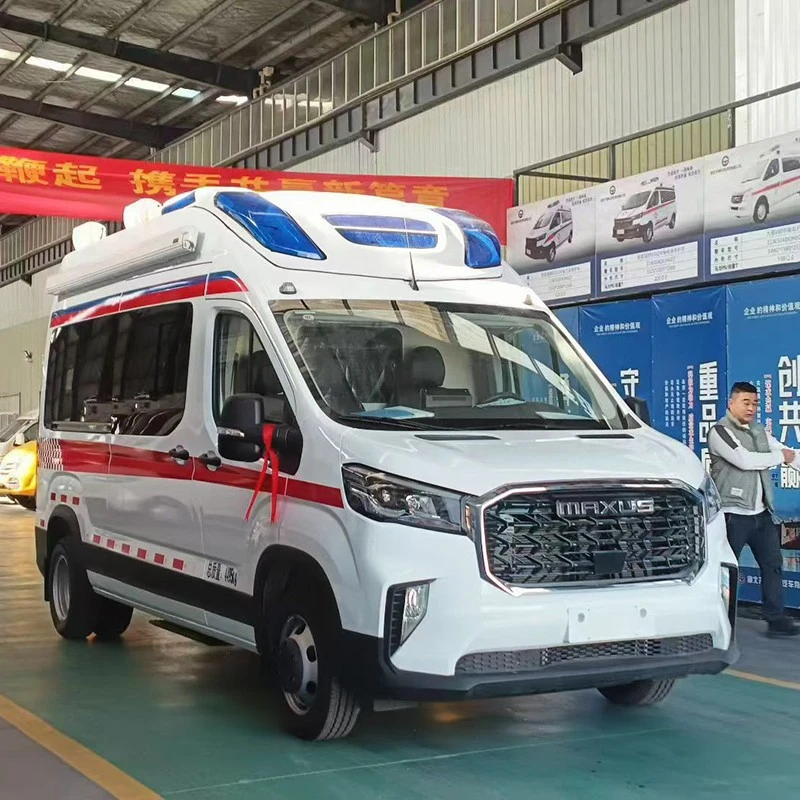
Vehicle breakdowns can occur at any time and can disrupt the delivery of healthcare services. In case of a breakdown, the first step is to ensure the safety of the patients and staff on board. The vehicle should be moved to a safe location, away from traffic if possible. The on - board communication system should be used to call for assistance, either from a local mechanic or a tow truck. While waiting for help, the medical staff can continue to provide care to the patients, if necessary. Our vehicles, such as the Maxus V90 Mobile DR X - Ray Clinic Van, are equipped with advanced diagnostic systems that can help identify the problem quickly.
C. Natural Disasters
Mobile clinic vehicles may be exposed to natural disasters such as floods, earthquakes, or hurricanes. In case of a natural disaster, the vehicle should be moved to a safe location as soon as possible. If the disaster is imminent, the patients and staff should be evacuated to a nearby shelter. The emergency supply kit on the vehicle can be used to provide basic support during the evacuation. After the disaster, the vehicle should be inspected for damage before resuming operations.
D. Security Incidents
Security incidents, such as theft or vandalism, can also pose a threat to the mobile clinic vehicle. To prevent security incidents, the vehicle should be parked in a secure location whenever possible. The on - board security system, including alarms and surveillance cameras, should be activated. In case of a security incident, the local police should be notified immediately. The medical staff should ensure the safety of the patients and protect the medical equipment and supplies on board.
III. Post - emergency Actions
A. Damage Assessment
After an emergency, a thorough damage assessment of the vehicle and the medical equipment should be conducted. This includes checking for structural damage to the vehicle, as well as any damage to the medical devices and supplies. The assessment will help determine the extent of the repairs needed and whether the vehicle can resume operations immediately.

B. Patient Follow - up
Patients who were on board the mobile clinic vehicle during the emergency should be followed up to ensure their well - being. This may involve contacting them to check on their condition, providing additional medical advice, or referring them to a more comprehensive healthcare facility if necessary.
C. Review and Improvement
The emergency response plan should be reviewed and improved based on the lessons learned from the emergency. This may involve updating the training programs, modifying the emergency supply kit, or improving the communication systems on the vehicle. Continuous improvement of the emergency response plan is essential to ensure the safety and effectiveness of the mobile clinic vehicle in future emergencies.
IV. Importance of a Customized Emergency Response Plan
Each mobile clinic vehicle has its own unique characteristics, such as the type of medical services it provides, the geographical areas it serves, and the number of patients it can accommodate. Therefore, a one - size - fits - all emergency response plan is not sufficient. A customized emergency response plan should be developed based on the specific needs and circumstances of the mobile clinic vehicle. For example, a mobile clinic vehicle that operates in a rural area may face different challenges compared to one that operates in an urban area. The customized plan should take into account factors such as the availability of emergency services, the distance to the nearest hospital, and the local weather conditions.
V. Conclusion
An effective emergency response plan is crucial for the safe and efficient operation of a mobile clinic vehicle. By implementing pre - emergency preparedness measures, having clear response strategies for different types of emergencies, and taking appropriate post - emergency actions, we can minimize the impact of emergencies on the patients and staff on board. As a supplier of mobile clinic vehicles, we are committed to providing high - quality vehicles and supporting our customers in developing and implementing comprehensive emergency response plans.
If you are interested in purchasing a mobile clinic vehicle or need more information about our products and services, we encourage you to contact us for a procurement discussion. We are here to help you find the best solution for your healthcare needs.
References
- Smith, J. (2020). Emergency Management in Healthcare Settings. Journal of Healthcare Safety.
- Johnson, A. (2019). Mobile Clinic Operations and Emergency Preparedness. International Journal of Medical Vehicles.
- Brown, C. (2021). Best Practices for Emergency Response in Mobile Medical Units. Medical Vehicle Review.