


Hey there! If you’ve ever needed to source a bulk explosive truck (or are just curious about how these specialized vehicles stack up to regular commercial rigs), one question you’ve definitely asked is: What’s the width of a bulk explosive truck? It’s not a random number—this measurement matters way more than you might think, whether you’re navigating a job site, securing permits, or making sure your team stays safe. As a bulk explosive truck supplier who’s worked with mines, construction crews, and blasters across the country for years, I’ve fielded this question so many times I could probably answer it in my sleep, but let me break it down for you the way I actually explain it to our clients.
First off, let’s get one thing straight: bulk explosive trucks aren’t your average pickup or delivery van. They’re built specifically to transport sensitive, high-performance materials—so their dimensions aren’t chosen for ease of parking at a grocery store. Most standard models we supply for industrial applications (like quarry blasting, road construction, or mining) fall somewhere between 8.5 feet and 9.5 feet wide. Wait, I know what you’re thinking—wait, why such a range? Let’s unpack that. The difference comes down to two big factors: the size of the tank (that holds the explosive mixture, usually a combination of ammonium nitrate and fuel oil or emulsion) and the specialized safety features we have to integrate. For example, a smaller 2,000-gallon bulk truck might be right around 8.5 feet wide, which is actually just a hair under the maximum legal width for commercial vehicles in most U.S. states (96 inches, or 8 feet). But if you need a larger 5,000-gallon truck, you might be looking at 9 feet, sometimes up to 9.5 feet, because the tank is wider, and we have to fit extra safety gear—like explosion-proof compartments for controls, fire suppression systems, and backup sensors.
I once had a client from a remote mountain mine call us panicking because their old truck had just been deemed too wide for a narrow switchback road leading to their blast site. They’d rented a used model that was 10 feet wide, and they couldn’t get it up the hill without scraping the guardrails. That’s when I learned how critical those extra inches can be. A bulk explosive truck that’s too wide isn’t just an inconvenience—it’s a safety hazard. It’s more likely to sway in high winds, harder to maneuver around obstacles, and it might not meet state-level weight and width permits. Now, I don’t want you to think all bulk explosive trucks are wide, though. We also supply smaller, compact models for urban construction sites or tight job zones where space is limited—those come in at a slim 7.5 to 8 feet, which is basically the same width as a standard moving truck. But you can’t skimp on safety with these, so even the compact ones have reinforced frames and explosion-proof lining.
Wait, let’s circle back to that legal stuff, because that’s non-negotiable. Every state has rules about commercial vehicle width, and bulk explosive trucks are classified as hazardous material (HAZMAT) vehicles, so their width is regulated even more strictly. Most states allow up to 8.5 feet for regular commercial trucks, but for HAZMAT vehicles, some states have a lower limit—so we have to build our bulk trucks to fit the specific region they’ll be operating in. For example, if a client is working in California, where roads are often narrower and permit rules are tight, we’ll build a truck that’s exactly 8.5 feet wide, no extra inches. For clients in Texas, where roads are wider and permits are easier to get for larger vehicles, we can go up to 9.5 feet, which gives them more tank capacity without sacrificing safety.
I get it—most people don’t think about the engineering that goes into a bulk explosive truck. It’s not just a tank on wheels; it’s a precision vehicle that has to balance capacity, safety, and maneuverability. That’s why we’ve spent years refining our designs, and we actually use similar build principles for other specialty vehicles we supply, like the JMC Tool Maintenance Truck. Wait, hear me out—when we design any specialized commercial vehicle, the first thing we prioritize is how it fits its intended use, just like with maintenance trucks. A maintenance truck needs to have enough space for tools and parts, but it still has to fit through standard shop doors and navigate job sites. Same with our bulk explosive trucks: we prioritize tank space for explosive materials, but we don’t cut corners on width to make it fit. We’ve seen too many companies try to “slim down” a bulk truck to save on permits, only to end up with a vehicle that’s too cramped for safety controls or too unstable on the road.
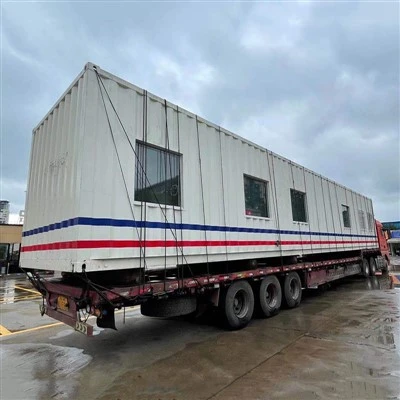
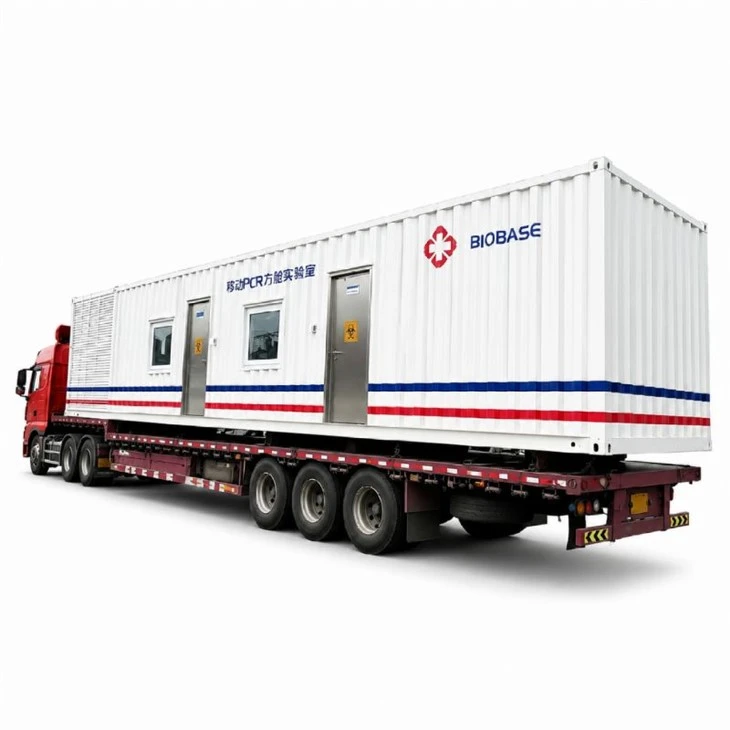
Another example: when we design mobile service vehicles, like the Foton Aumark Mobile Maintenance Service Truck, we adjust the width based on whether it’s going to be used for on-site repairs at a busy factory or a remote construction site. It’s the same logic with bulk explosive trucks—one size never fits all. We had a client from Alaska a few years back who needed a bulk truck that could handle icy, narrow Alaskan roads and carry enough explosive to blast permafrost for a pipeline project. We worked with them to build a truck that was 8.75 feet wide—just enough extra space to fit snow tires and a small snow plow on the front, without making it too wide for the winding back roads. That’s the kind of customization we pride ourselves on, and that’s why our clients come back to us again and again.
Let me also address a common misconception: some people think the width of a bulk explosive truck is the same as a standard semi-truck, but that’s not true. A standard semi is usually around 8.5 feet wide, but a bulk explosive truck has to have extra space for safety features that semis don’t need. For instance, we install secondary containment systems around the tank to prevent spills, and those take up a few extra inches. We also have to have clear access to the control panel for mixing and dispensing the explosive, so we can’t cram everything into a smaller footprint. That’s why our bulk trucks are consistently a few inches wider than your average semi—they’re not just hauling cargo; they’re hauling something that needs extra safeguards.
I know this might sound super technical, but here’s the real takeaway: the width of a bulk explosive truck isn’t a random number from a brochure. It’s a calculated measurement based on your specific job site, the region you’re working in, and the safety requirements you have to meet. If you’re shopping around for one, don’t just ask for a “bulk explosive truck”—tell us where you’re working, how much explosive you need to carry, and what kind of roads you’ll be driving on. That way, we can give you the exact width that works for you, no guesswork.
Wait, let’s talk about how we test our trucks to make sure they’re safe. We do all sorts of tests, from wind tunnel tests to maneuverability tests in tight spaces. Last year, we tested a 9-foot wide bulk truck on a 10-foot wide test track, and it handled just fine, with only a few inches of clearance on each side. That’s the kind of testing we do to make sure our trucks meet industry standards, so you don’t have to worry about them getting stuck or causing accidents. For reference, our testing protocols are similar to what we use for specialized medical vehicles, like the Modular Field Hospital Facility—we design them to fit their intended environment, whether that’s a remote disaster zone or a busy city street.
Here’s a story that’ll drive this home. Early in my career, I worked for a smaller truck supplier that tried to cut costs by building a bulk explosive truck that was only 7 feet wide. They saved a few bucks on materials, but the truck was so narrow that the tank was unstable when full. On its first delivery run, it tipped over on a curved road, and thankfully no one was hurt—but the explosion material was spilled, causing a massive delay and a huge fine for the company. That’s why we never cut corners on width, safety, or engineering at our shop. For us, the width of a bulk explosive truck is non-negotiable—it has to be wide enough to keep your team safe, compliant with laws, and capable of getting the job done.
If you’re in the market for a bulk explosive truck, I can’t stress this enough: don’t just go for the cheapest option or the one that fits in any space. Work with a supplier who understands the nuances of hazardous material transport, who can customize the width to your needs, and who has a track record of building safe, reliable vehicles. Whether you need a compact truck for urban construction or a larger one for mining operations, we’ve got you covered. We’ve been in this game for years, and we know exactly how to build a bulk explosive truck that checks all your boxes—without sacrificing safety.
Look, I get that buying a specialized truck like this is a big decision. You’ve got to factor in cost, permits, job site requirements, and safety. But if you take the time to figure out the right width for your needs, you’ll save yourself a lot of headaches down the line. No one wants to get stuck with a truck that can’t fit on their roads, or worse, one that’s not safe to operate. That’s why we walk every client through the process: we ask questions about their job, show them our testing data, and help them pick the exact width that works for them.
At the end of the day, the width of a bulk explosive truck might seem like a small detail, but it’s one of the most important ones. It affects every part of your operation, from permit approvals to job site access to team safety. And as a supplier who’s seen the good and the bad in this industry, I’d rather help you get it right the first time than see you deal with a costly mistake later.
If you’re ready to chat about your bulk explosive truck needs, or just have more questions about width, safety, or customization, don’t hesitate to reach out. We’re here to help you find the right vehicle for your job, no matter how big or small. We don’t do one-size-fits-all here, and we definitely don’t build trucks that cut corners. Let’s work together to make sure you’ve got a reliable, safe truck that fits your exact needs.
References:
- National Highway Traffic Safety Administration. Commercial Vehicle Width Regulations for Hazardous Materials Vehicles.
- American Association of Motor Vehicle Administrators. State-Level HAZMAT Vehicle Dimension Standards.
- Bulk Energy Storage and Transportation Association. Design and Safety Standards for Bulk Explosive Vehicles.
- JMC Special Vehicles. Maintenance Truck Engineering Guidelines.
- Foton Aumark Specialty Vehicles. Mobile Service Vehicle Dimension Protocols.
- Modular Medical Solutions. Specialized Vehicle Size and Environment Compatibility.