

In the modern era of healthcare and transportation, the shift towards electric vehicles (EVs) has been a significant development. Among these advancements, electric ambulances are emerging as a promising addition to emergency medical services. As a leading supplier of electric ambulances, we've received numerous inquiries about whether driving these vehicles requires special training. In this blog post, we'll delve into this topic to provide a comprehensive understanding.
The Basics of Electric Ambulances
Before discussing the training requirements, let's first understand what makes electric ambulances unique. Electric ambulances, as the name suggests, are powered by electric motors instead of traditional internal combustion engines. This transition brings several benefits, including reduced emissions, lower operating costs, and quieter operation.
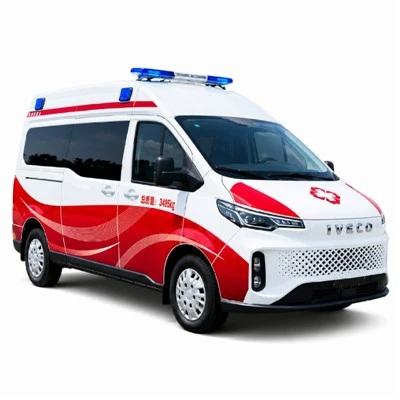
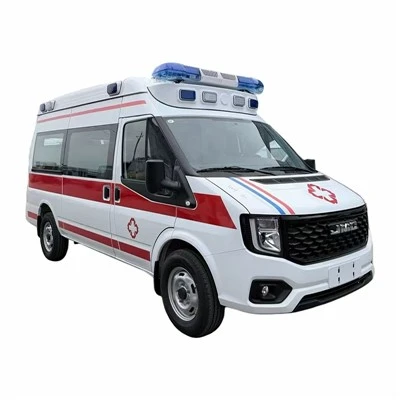
For instance, our portfolio includes various models such as the IVECO V70 EV Ambulance Emergency Van, Foton EV Patient Transfer Van Ambulance, Geely New Energy Eco Emergency Medical Ambulance, and Maxus Electric ICU Ambulance Van. These vehicles are equipped with state - of - the - art technology and medical equipment to ensure efficient patient care during transportation.
Key Differences from Traditional Ambulances
Powertrain and Performance
The most obvious difference between electric and traditional ambulances lies in their powertrains. Electric motors offer instant torque, which means quicker acceleration compared to gasoline or diesel engines. This can be an advantage in emergency situations where time is of the essence. However, drivers need to understand how to manage this torque effectively. For example, sudden acceleration can be dangerous, especially when transporting patients.
The range of electric ambulances is another factor. Unlike traditional ambulances that can refuel quickly at any gas station, electric ambulances need to be charged at specific charging stations. Drivers must be trained to plan their routes carefully, taking into account the available charging infrastructure and the vehicle's remaining battery life. This requires a different mindset compared to driving a traditional ambulance, where refueling is a more straightforward process.
Vehicle Systems
Electric ambulances often have more advanced vehicle systems. For example, they may feature regenerative braking, which converts the kinetic energy of the vehicle into electrical energy to recharge the battery. While this is an energy - efficient feature, it can change the feel of the braking system. Drivers need to be familiar with how regenerative braking works and how it affects the vehicle's stopping distance.
In addition, the electrical systems in electric ambulances are more complex. The medical equipment on board is powered by the vehicle's electrical system, and any issues with the electrical supply can have a direct impact on patient care. Drivers should have a basic understanding of these systems to troubleshoot minor problems and ensure the proper functioning of the medical equipment.
Special Training Considerations
Technical Knowledge
Drivers of electric ambulances need to have a certain level of technical knowledge. They should understand how the electric powertrain works, including the battery management system, charging procedures, and the impact of different driving styles on the vehicle's range. Training programs can provide in - depth knowledge about these aspects, helping drivers make informed decisions on the road.
Emergency Response Skills
While the core emergency response skills for driving an ambulance remain the same, electric vehicles require some additional considerations. For example, in the event of an accident involving an electric ambulance, drivers need to be aware of the potential electrical hazards. They should know how to safely shut down the electrical system to prevent electrocution and minimize the risk to themselves, patients, and other emergency responders.
Moreover, since electric ambulances rely on battery power, any extended down - time due to battery failure or charging issues can be critical. Drivers should be trained to handle these situations, such as arranging for alternative transportation or finding the nearest charging station quickly.
Patient Care Awareness
Drivers play a crucial role in patient care, even in the cab. They need to be aware of how their driving style can affect the patients in the back. With the quick acceleration and different braking characteristics of electric ambulances, it's even more important to drive smoothly to ensure the comfort and safety of the patients. Training can focus on techniques for smooth driving, such as gentle acceleration and braking, especially when transporting critical patients.
Is Special Training Mandatory?
The answer to whether special training is mandatory for driving electric ambulances varies from region to region. In some areas, regulatory bodies have recognized the unique features of electric vehicles and have implemented specific training requirements for ambulance drivers. In other regions, the existing ambulance driving training programs are being updated to include electric vehicle - specific content.


Even if it's not mandatory, we strongly recommend that drivers of electric ambulances undergo specialized training. This not only ensures the safety of the drivers, patients, and other road users but also maximizes the performance and efficiency of the electric ambulances.
Our Role as a Supplier
As a supplier of electric ambulances, we are committed to supporting our customers in every aspect. We work closely with training institutions to develop comprehensive training programs that cover all the necessary aspects of driving and operating our electric ambulances. These programs are designed to be practical and hands - on, allowing drivers to gain real - world experience.
We also provide detailed user manuals and technical support to help drivers and maintenance staff understand the vehicles better. Our goal is to ensure that every customer can make the most out of our electric ambulances, whether it's in terms of performance, reliability, or patient care.
Conclusion
In conclusion, driving electric ambulances does require special training. The unique features of electric vehicles, such as the powertrain, vehicle systems, and charging requirements, demand a different set of skills and knowledge from drivers compared to traditional ambulances. While the exact training requirements may vary, it is clear that specialized training is essential for ensuring the safe and efficient operation of electric ambulances.
If you're interested in purchasing electric ambulances for your emergency medical services or need more information about our training support, we encourage you to reach out to us. We're here to answer any questions you may have and help you make the best decision for your organization.
References
- Electric Vehicle Association. "Benefits of Electric Vehicles in Emergency Services."
- International Association of Ambulance Drivers. "Guidelines for Training Ambulance Drivers in Electric Vehicles."
- Vehicle Manufacturers' Technical Bulletins on Electric Ambulance Operations.