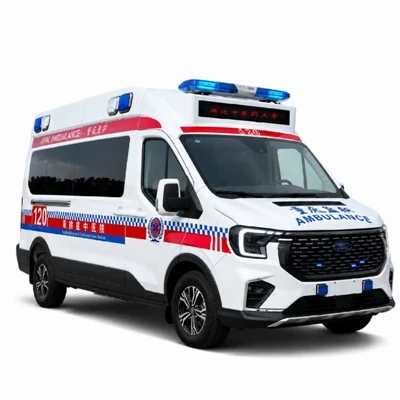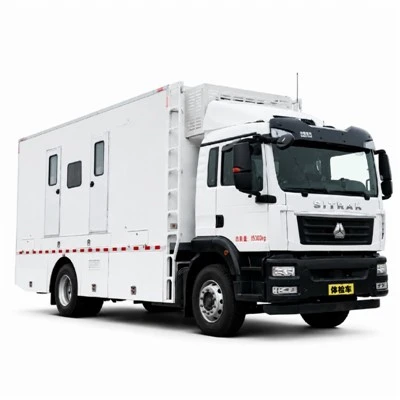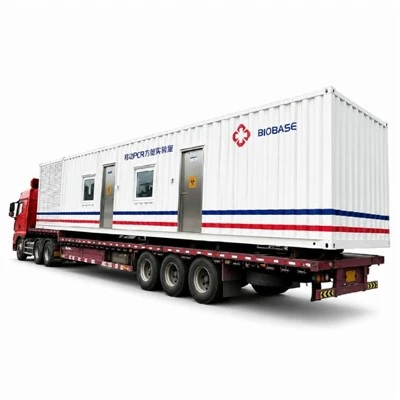

The cleaning of ambulances requires balancing general vehicle hygiene with specific medical safety requirements; it is typically divided into three components: exterior cleaning, interior cabin cleaning, and the disinfection of medical equipment. Exterior cleaning focuses primarily on removing mud, dust, and contaminants; this is generally accomplished by rinsing with water in conjunction with a neutral detergent, while strictly avoiding the use of highly corrosive chemicals to prevent damage to the vehicle's paintwork and warning decals.
Given that the interior cabin serves as a space for medical procedures, the cleaning standards for this area are significantly more rigorous. Immediately following the completion of each patient transport mission, any debris or contaminants within the cabin must be promptly removed. Furthermore, high-touch surfaces-such as stretchers, seats, handrails, and flooring-must undergo thorough disinfection. This is typically achieved by wiping or spraying these surfaces with disinfectants that meet established medical standards, thereby ensuring the effective elimination of bacteria and viruses and preventing cross-contamination.
Regarding onboard medical equipment-such as patient monitors, defibrillators, and oxygen delivery systems-specialized cleaning and disinfection procedures must be followed in strict accordance with medical device management protocols. Particular care must be taken to prevent liquids from penetrating the interior of these devices, which could compromise their proper functionality. Additionally, the vehicle should undergo periodic deep cleaning and comprehensive disinfection; specifically, following the transport of patients with infectious diseases or the completion of missions involving a high risk of contamination, strict terminal disinfection protocols must be executed to ensure the vehicle consistently meets all safety requirements for medical use.