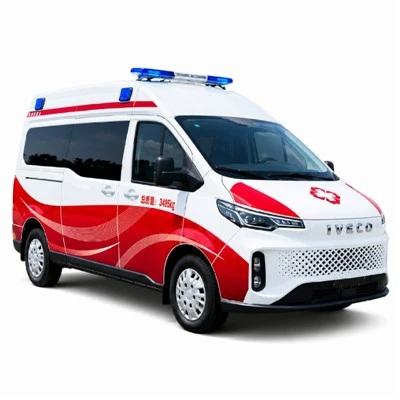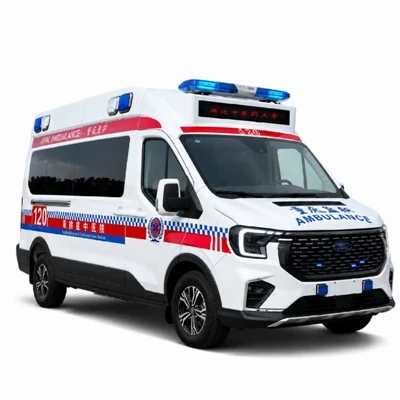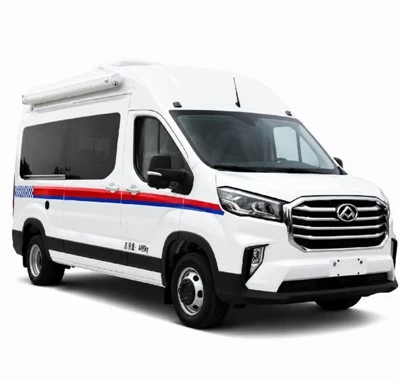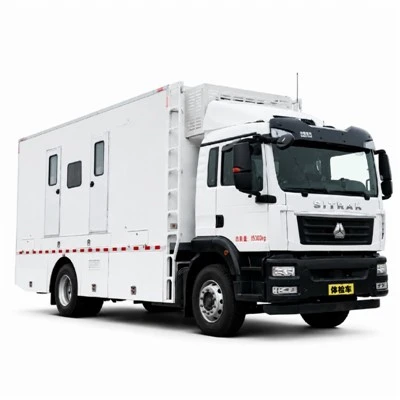

The global demand for emergency medical vehicles is evolving rapidly, driven by the need for more efficient, adaptable, and technologically advanced ambulances. As healthcare systems worldwide strive to improve pre-hospital care, the concept of a custom ambulance solution has emerged as a key trend. Unlike standard, off-the-shelf ambulances, custom solutions allow healthcare providers and emergency services to tailor every aspect of the vehicle to their specific operational requirements, from interior layout to medical equipment integration.
The Shift Toward Customization in Emergency Medical Vehicles
Traditional ambulance manufacturing often relied on a one-size-fits-all approach. However, the diverse nature of emergency medical services across different regions and climates has highlighted the limitations of generic designs. A medical ambulance van that works well in a temperate climate may not perform optimally in extreme heat or cold. Similarly, urban EMS systems have different space and maneuverability needs compared to rural or wilderness rescue services. This has led to a growing preference for new ambulance vehicle designs that can be customized for specific use cases. Customization goes beyond aesthetics. It encompasses chassis selection, body construction materials, interior ergonomics, storage solutions, power systems, and medical device integration. For instance, an ambulance intended for neonatal transport requires specialized incubator mounting and temperature control, while a mass casualty incident response vehicle needs modular seating and advanced communication systems. A reputable ambulance manufacturer must be able to offer these tailored solutions while maintaining compliance with local regulations and safety standards.
Technology and Innovation in Custom Ambulance Design
The integration of modern technology is a driving force behind custom ambulance solutions. Advanced telemetry systems, GPS tracking, and real-time data transmission are becoming standard features in emergency medical vehicle fleets. These technologies enable better coordination between field responders and hospital staff, ultimately improving patient outcomes. Additionally, the use of lightweight composite materials in body construction helps improve fuel efficiency and payload capacity without compromising structural integrity. Another innovation is the adoption of modular interior layouts. These allow for quick reconfiguration of the patient compartment to accommodate different types of emergencies. For example, a modular system might include removable cabinets, adjustable stretcher mounts, and convertible seating. This flexibility is particularly valuable for EMS agencies that need to respond to a wide range of scenarios with a limited fleet.
The Role of China Ambulance Suppliers in the Global Market
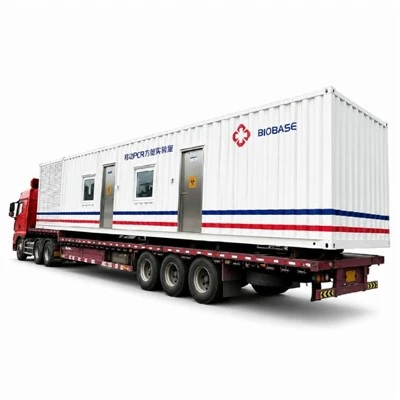
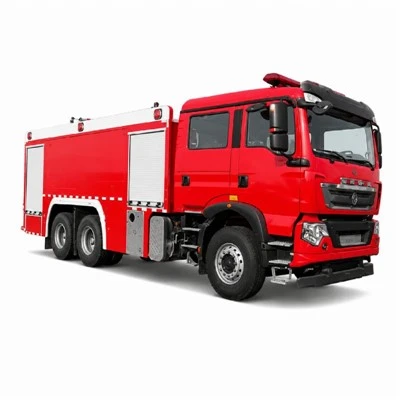
China has established itself as a major hub for special-purpose vehicle manufacturing, particularly in cities like Suizhou, Hubei Province. China ambulance suppliers have gained recognition for their ability to produce high-quality, cost-effective vehicles that meet international standards. Many of these manufacturers, such as Hubei Ruitu Technology Co., Ltd., offer comprehensive customization services, from initial consultation to after-sales support. Hubei Ruitu Technology Co., Ltd., for example, operates a state-of-the-art production facility equipped with CNC fiber laser cutting machines, robotic welding workstations, and whole-vehicle rain testing lines. This infrastructure allows them to deliver custom ambulance solutions that meet specific customer requirements, whether for healthcare, emergency rescue, or disaster relief applications. Their experience in overseas markets, including Africa, Southeast Asia, the Middle East, and South America, demonstrates the global reach of Chinese ambulance manufacturers.
Procurement Considerations for Custom Ambulances
When procuring a custom ambulance, buyers should consider several factors to ensure they receive a vehicle that meets their needs. First, define the primary use cases and operational environment. This includes assessing road conditions, climate, and typical patient demographics. Second, evaluate the manufacturer's ability to customize the vehicle's layout, medical equipment integration, and compliance with local standards. Third, consider the total cost of ownership, including maintenance, spare parts availability, and training. A reliable ambulance manufacturer will provide transparent pricing and detailed documentation.
Conclusion
The global market for emergency medical vehicles is increasingly demanding custom ambulance solutions that offer flexibility, reliability, and advanced technology. As healthcare systems continue to evolve, the ability to tailor vehicles to specific needs will become a critical factor in improving patient care and operational efficiency. With their manufacturing capabilities and international experience, China ambulance suppliers are well-positioned to meet this demand, offering innovative solutions that combine quality with customization. For EMS agencies and healthcare providers looking to upgrade their fleets, exploring custom options from established manufacturers is a prudent step toward enhancing emergency response capabilities.
Company Information
Company Name: Hubei Ruitu Technology Co., Ltd.
Brand: Ruitu Location: Suizhou, Hubei Province, China
Main Products: Ambulance, Medical Vehicle, Mobile Clinic, Fire Truck, Emergency Rescue Vehicle, Garbage Truck, Power Supply Truck, Command & Control Vehicle, and customized Special Vehicle
Official Website: ruitumotors.com
Email:sales@ritumax.com
Photo:+86 15527066666