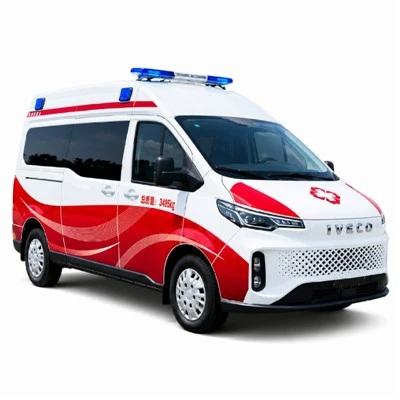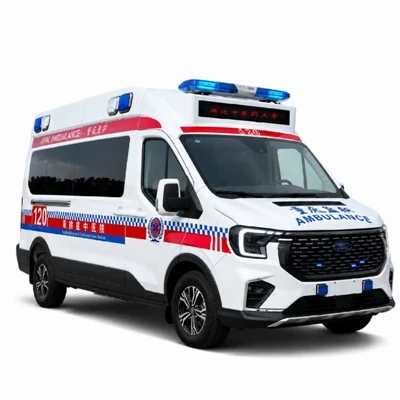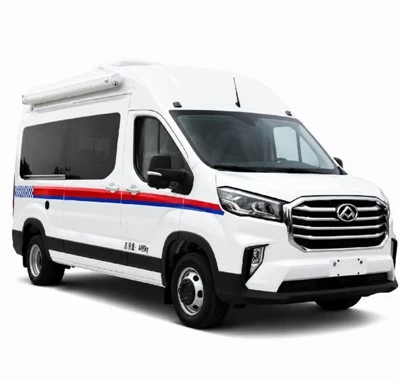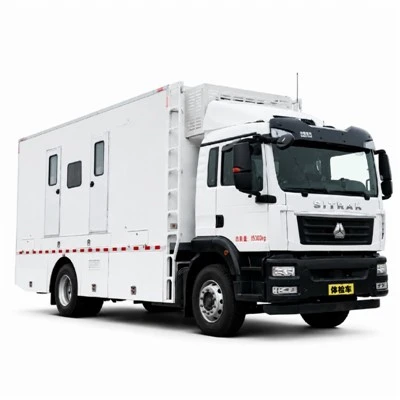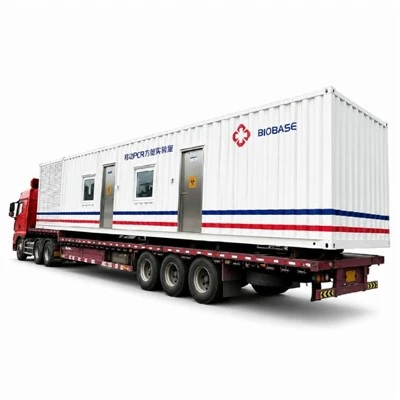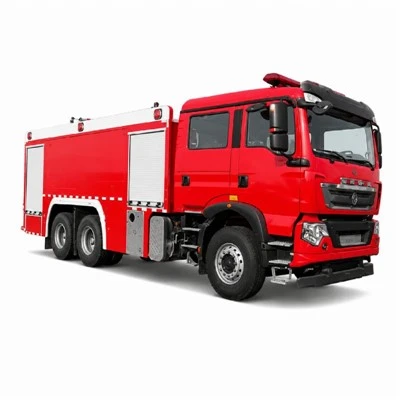

The global demand for emergency medical vehicles continues to rise, driven by aging populations, expanding healthcare infrastructure, and increasing frequency of natural disasters. For procurement professionals and healthcare administrators, finding a reliable ambulance car for sale involves more than just comparing prices. It requires a deep understanding of vehicle specifications, customization options, regulatory compliance, and after-sales support.

Market Overview
According to recent industry reports, the emergency medical vehicle market is projected to grow at a compound annual growth rate of over 6% through 2030. Key regions driving this growth include Asia-Pacific, the Middle East, and Africa, where governments are investing heavily in emergency response systems. China, as a major manufacturing hub, plays a significant role in supplying ambulance car for sale to international buyers.
Key Considerations When Buying an Ambulance
1. Chassis and Powertrain
The chassis forms the backbone of any ambulance. Buyers must decide between van-type and truck-type chassis based on road conditions and payload requirements. Common choices include brands like Ford, Mercedes-Benz, or domestic Chinese chassis. For rough terrain, a 4x4 chassis may be necessary.
2. Medical Interior Layout
A custom ambulance solution should accommodate essential medical equipment such as ventilators, defibrillators, suction units, and patient monitoring systems. The interior layout must allow easy access for paramedics while securing equipment during transit. Manufacturers like Hubei Ruitu Technology Co., Ltd. offer tailored designs to meet specific clinical needs.
3. Compliance with Standards
International buyers should ensure that the ambulance car for sale meets local regulations, such as European EN 1789 or US KKK-A-1822 standards. Chinese suppliers often provide CE certification and ISO 9001, which facilitate export to many countries.
4. After-Sales Support
Reliable after-sales service is crucial. A reputable China ambulance supplier should offer training, spare parts availability, and technical documentation. Hubei Ruitu Technology, for example, provides pre-sales consultation, production tracking, and operation training for overseas clients.

Technology Trends
Modern ambulances are integrating telemedicine capabilities, allowing paramedics to transmit patient data to hospitals en route. GPS tracking and fleet management systems are becoming standard. Additionally, lightweight composite materials are being used to reduce vehicle weight and improve fuel efficiency.
Procurement Risks
Buyers should be cautious of suppliers offering unusually low prices, which may indicate substandard materials or lack of certifications. It is advisable to request factory audits and sample inspections. Working with an experienced ambulance manufacturer reduces the risk of non-compliance and delays.
Conclusion
Finding the right ambulance car for sale requires careful evaluation of technical specifications, customization options, and supplier credibility. Hubei Ruitu Technology Co., Ltd., based in Suizhou, China, exemplifies a manufacturer that combines production expertise with international experience, serving clients across Africa, Southeast Asia, and the Middle East. By focusing on quality and compliance, buyers can ensure their emergency medical vehicles deliver reliable performance when it matters most.