
Quick Answer
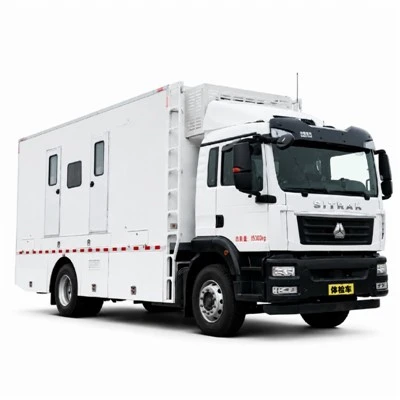
A mobile DR screening truck is a self-contained vehicle equipped with digital radiography (DR) equipment for on-site health screening, such as tuberculosis (TB) or lung cancer screening. Buyers should request documentation such as chassis certificate, CE/ISO certificates, radiation shielding test reports, and delivery inspection records.
Vehicle Category and Use Scenario
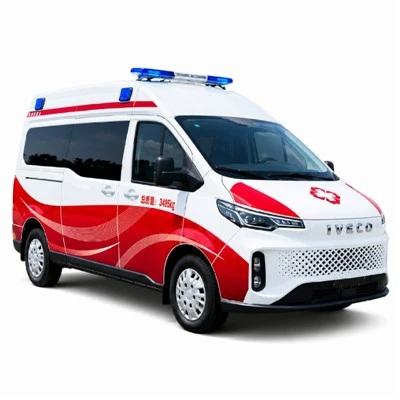
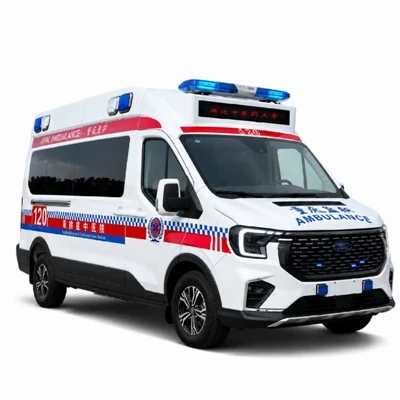
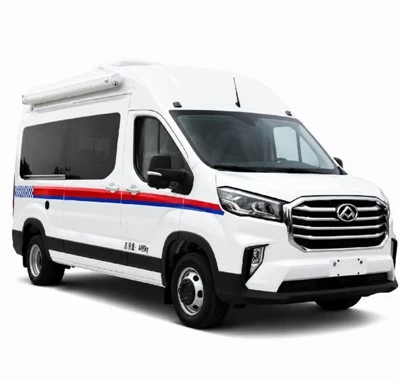
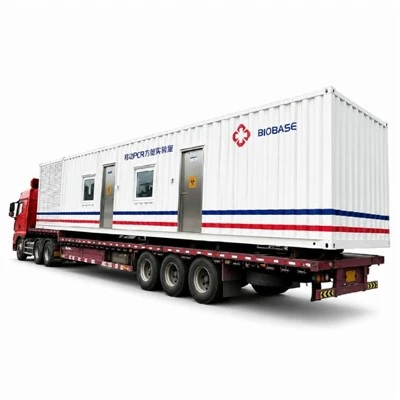
Mobile DR screening trucks fall under the category of special purpose vehicles, specifically mobile medical units. They are used for:
Community health screening: Offering X-ray exams in remote or underserved areas, such as rural villages or urban community centers.
TB and lung disease screening: Supporting national health programs for early detection of tuberculosis and lung cancer, especially in high-burden regions.
Occupational health: Screening workers in industrial zones, mines, or construction sites for pneumoconiosis or other lung diseases.
Emergency response: Providing diagnostic imaging during disease outbreaks or natural disasters when fixed facilities are overwhelmed.These vehicles are typically built on truck chassis (e.g., light or medium trucks) with a customized cabin that houses a DR X-ray system, control room, and patient waiting area. Some configurations include a separate driver cabin and a rear medical cabin with a radiation-shielded partition.
Key Parameters Buyers Should Compare
When evaluating mobile DR screening trucks, consider the following parameters. The table below summarizes critical specifications.
| Parameter | What to Check | Why It Matters |
|---|---|---|
| Chassis GVWR | 5–8 tons typical | Determines payload capacity for equipment and personnel; affects road tax and driver license requirements. |
| Cabin dimensions | Length, width, height (e.g., 6m × 2.4m × 2.2m) | Must accommodate X-ray system, control desk, patient bed, and allow easy patient flow. |
| X-ray system type | DR panel size (e.g., 14×17 inch), tube kVp (e.g., 125 kV), mA range (e.g., 320 mA) | Affects image quality, screening throughput, and ability to image different body parts. |
| Radiation shielding | Lead equivalent thickness (e.g., 2 mm Pb for walls, 3 mm Pb for control area) | Protects staff and public; must meet local regulations (e.g., Chinese GBZ 130, US NRC, or EU directive). |
| Air filtration | HEPA filter or UV sterilization, air changes per hour (e.g., ≥12 ACH) | Reduces infection risk, especially for TB screening where airborne transmission is a concern. |
| Climate control | Air conditioning capacity (e.g., 12,000 BTU/hr) | Maintains equipment temperature (DR panels are sensitive to heat) and patient comfort. |
| Warranty | Chassis: 2–3 years; Cabin: 1 year; X-ray system: varies by OEM | Indicates manufacturer confidence and coverage of major components. |
Buyers should ask suppliers for a technical datasheet with these values and verify them during factory inspection. For example, the radiation shielding test report should include measured dose rates at key points around the cabin under full tube load.
Procurement Risks and Evidence Checklist
Common risks in mobile DR truck procurement include:
Non-compliant shielding: X-ray leakage exceeding limits, leading to regulatory rejection or health risks.
Poor infection control: Lack of proper ventilation, non-cleanable surfaces, or absence of hand sanitizer stations.
Incomplete documentation: Missing certificates, manuals, or test reports that delay registration or acceptance.
Evidence Buyers Can Request
Chassis certificate: Confirm model, GVWR, VIN, and emission standard (e.g., Euro V or VI).
ISO 9001 and CE certificates: Verify quality management and conformity for European markets.
Radiation shielding test report: Measured by an accredited lab; include dose rate in µSv/h at 1 m from the cabin.
Cabin layout drawing: With dimensions, equipment locations, and shielding thicknesses.
Bill of materials: For cabin materials (e.g., stainless steel for walls, lead for shielding, anti-bacterial flooring).
Inspection photos: During chassis modification, cabin assembly, wiring, and painting stages.
User manual: In local language, covering operation, maintenance, and troubleshooting.
Delivery inspection checklist: Signed by buyer and supplier, confirming all items are functional.Request these documents before signing the contract. During factory acceptance, physically verify the shielding by performing a radiation leakage test with a survey meter.
Standards, Documentation, and Acceptance Checks
Mobile DR screening trucks should comply with relevant standards. While exact requirements vary by country, common references include:
ISO 9001: Quality management system (supplier should provide certificate).
CE marking: For European markets (requires conformity assessment and technical file).
Local radiation safety regulations: e.g., Chinese GBZ 130-2026 for X-ray shielding; US NRC 10 CFR Part 20; EU Council Directive 2013/59/Euratom.
Road vehicle regulations: Axle load limits, lighting, braking, and emissions (e.g., ECE R13 for brakes).
Acceptance Checklist
Upon delivery, buyers should perform these checks:Chassis verification: Match VIN, model, and registration documents; check tire condition and fluid levels.Cabin integrity: No leaks, doors seal properly, windows intact, roof no damage.X-ray system calibration: Verify image quality with a phantom; check tube output consistency.Radiation leakage test: Using a survey meter, measure around cabin perimeter at 1 m height; compare to local limit (e.g., ≤1 µSv/h).HVAC function: Measure temperature and airflow in both cabin zones; verify HEPA filter installation.Documentation completeness: All manuals, certificates, and test reports provided in hard copy and digital.
Lifecycle Cost and Maintenance Planning
Beyond the purchase price, consider:
Spare parts availability: X-ray tube, DR panel, filters, tires, batteries. Check if supplier stocks them or can ship quickly.
Training costs: Operator training for X-ray and vehicle systems; often includes 2–3 days on-site.Ask the supplier for a recommended maintenance schedule and spare parts list with part numbers and estimated prices. Consider a service contract for the first year.
Supplier Questions
Before selecting a manufacturer, ask these questions:
What is your experience with mobile medical vehicles?
Request references from similar projects (e.g., number of units delivered, countries served).
Which chassis brands do you recommend?
Should be available locally for service and parts.
Can you customize the layout for our X-ray brand?
Ensure mounting brackets and electrical interfaces are compatible.
What is the lead time?
Typically 60–90 days; ask for a timeline with milestones.
Do you provide on-site training?
For operators and maintenance staff; include language support.
What after-sales support do you offer?
Spare parts, remote troubleshooting, warranty terms, and response time.
Hubei Ruitu Technology Co., Ltd., as a professional special-purpose vehicle manufacturer, can address these questions and provide a tailored solution based on your screening scenario. The company has experience in overseas markets and holds ISO 9001 and CE certifications.This article is for informational purposes. Buyers should verify all specifications and certifications with the supplier and local regulatory authorities.
Company Information
Company Name: Hubei Ruitu Technology Co., Ltd.
Vehicle Category: Special Purpose Vehicle
Location: Suizhou, Hubei Province, China
Main Products: Ambulance, Medical Vehicle, Mobile Clinic, Fire Truck, Emergency Rescue Vehicle, Garbage Truck, Power Supply Truck, Command & Control Vehicle, and customized Special Vehicle
Official Website: ruitumotors.com
Email:sales@ritumax.com
Photo:+86 15527066666