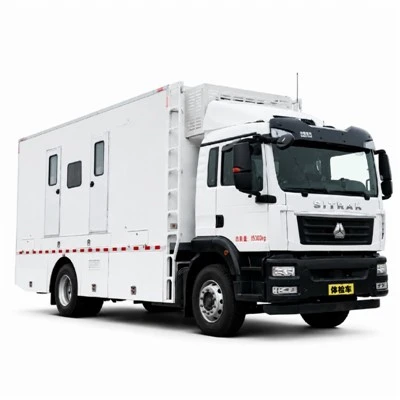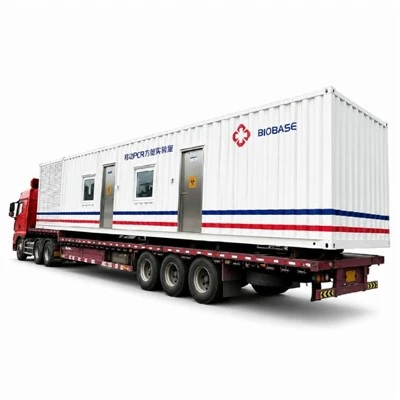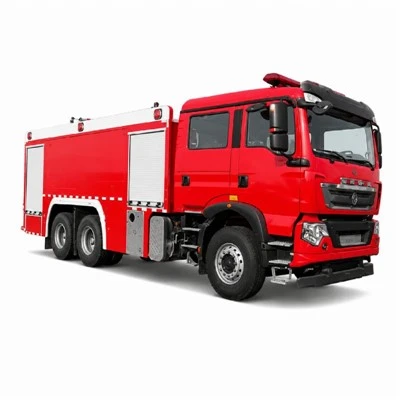

Specialized vehicles are purpose-built vehicles designed and manufactured to fulfill specific operational requirements; compared to standard transport vehicles, they feature highly specialized functions. Categorized by their intended use, specialized vehicles primarily encompass categories such as engineering and construction vehicles, emergency and rescue vehicles, and specialized transport vehicles. These vehicles are typically equipped with specialized machinery or unique structural features, enabling them to execute specific tasks within complex environments; consequently, they are widely utilized across sectors such as industrial production, urban development, and public safety.
Engineering and construction vehicles constitute one of the most common categories of specialized vehicles, primarily employed in tasks such as building construction, road maintenance, and resource extraction. Examples include cranes, concrete mixer trucks, and excavator transporters-all of which fall under the classification of engineering vehicles. Characterized by their robust operational capabilities and adaptability, these vehicles serve to enhance construction efficiency and alleviate the physical burden of manual labor, thereby playing a pivotal role in modern engineering projects.
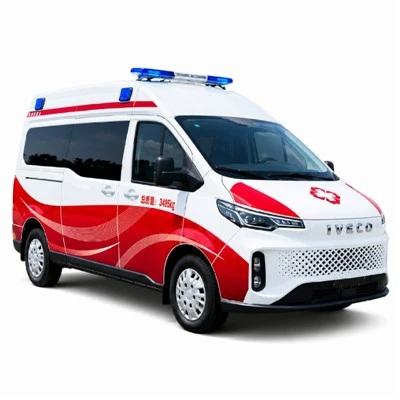
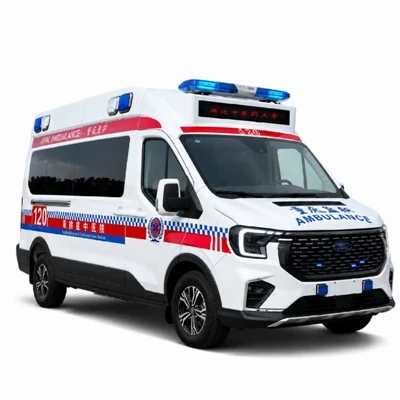
Emergency and rescue vehicles, along with specialized transport vehicles, also constitute vital components of the specialized vehicle sector. Emergency and rescue vehicles-including fire trucks, ambulances, and disaster relief vehicles-are primarily tasked with responding to sudden incidents and conducting personnel rescue operations. Specialized transport vehicles-such as refrigerated trucks, hazardous materials carriers, and armored cash-in-transit vehicles-are utilized for transporting cargo subject to specific handling requirements. Driven by technological advancements and ever-evolving societal demands, the field of specialized vehicles is continuously progressing toward greater intelligence, specialization, and operational efficiency.