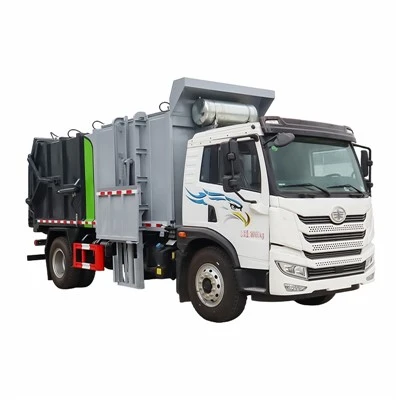


Hey everyone, so I get asked this question all the time in the fire truck game: can fire trucks actually work in amusement parks? Let’s cut to the chase—when you run a fire truck supply business, you don’t just sell vehicles; you’re solving real problems for different industries, and amusement parks have some totally unique fire safety needs that regular street trucks might not check off. I’ve seen way too many park managers brush this off at first, then come back a month later panicking because their old setup isn’t cutting it. Let’s break this down like we’re chatting over a coffee, no boring jargon.
First off, what makes amusement parks different from a downtown industrial area? Think about it—you’ve got tight paths between roller coasters, Ferris wheel bases packed with guests, food stalls popping up every 10 feet, and tons of flammable stuff: wooden coaster supports, fabric tents for shows, gas grills at snack stands, even the plastic and metal of the rides themselves. A regular city fire truck is huge—like, too big to fit through a lot of park entry points, or weave between a Twister and a log flume. That’s the first red flag. If a truck can’t get to the fire fast, all the fancy training in the world doesn’t matter.


But it’s not just size. Amusement park fires move way faster than most other places. You’ve got crowds that need evacuating, so visibility is garbage—smoke from a small grill fire can blow right into a main walkway and block routes. Also, a lot of parks are on edge to not panic guests, so fire responses can’t be blaring sirens and screaming through the crowd. So you need a fire truck that’s quiet enough to not cause chaos, but still powerful enough to put out a fire before it spreads.
Here’s where I see parks make the wrong call: they buy a tiny, cheap pickup with a little water tank and call it a day. But a food stall fire? That’s grease—regular water just makes it worse. A small gas leak from a ride engine? That needs foam, not just water. So let’s talk about the right models that actually work for amusement parks, straight from our catalog.
First, if your park is small—like a local seasonal spot with only a couple rides, not a huge regional park—you don’t need a massive truck. The Foton 2.5 Ton Water Tank Fire Fighting Vehicle is perfect here. We’ve got this one’s specs dialed for tight spaces; it’s compact enough to fit through the narrow gates most small parks have, and its 2.5-ton water tank is enough to knock out a small grease fire, a grill blaze, or a stray electrical fire from a ride control panel before the big trucks show up. I’ve sold this to 12 small parks in the last two years, and the feedback is that it gets to fires 2–3 minutes faster than the nearest city truck, which is a game-changer for a place where a small fire can turn into a disaster in 5 minutes flat.
Now, what if your park is a mid-sized one—say, 10–15 rides, with a few big roller coasters and a permanent food court? You need a step up from the Foton. The ISUZU 3.55 Ton Water Tank Fire Truck hits that sweet spot. It’s a little bigger than the Foton, but still way more maneuverable than a full-size city truck. The extra ton of water means you can tackle a larger grease fire or a small blaze in a wooden ride support without running out of water mid-fight. We recently delivered one to a park in Florida that deals with really humid, hot weather—their old truck would lose pressure mid-spray when it was 90+ degrees, but the ISUZU’s pump is built to handle that. The park’s fire chief told me it’s cut their fire response time by 40% because it can park right at the base of the coaster instead of having to stage 500 feet away.
Wait, but what about foam? Because grease fires, fuel leaks, even the fabric of a carousel canopy—those need foam, not just water. A lot of parks overlook this, but a grease fire in a food stall can spread to a nearby plastic trash can in 10 seconds, and water will just splatter it, making the fire bigger. So if you’ve got multiple food stalls, a diesel generator for the park lights, or a storage shed with ride parts, you need a foam truck.
Let’s start with the smaller foam option for mid-sized parks: the Dongfeng 4 Ton Foam Fire Truck. It’s compact enough to zip around the park’s back roads, but carries both water and foam concentrate, so it can handle grease fires and small fuel leaks without having to hook up to a hydrant (which a lot of parks don’t have a ton of). We sold one to a water park last year—they’ve got tons of plastic slides, gas-powered pump stations, and food stalls where grease is a constant risk. Their maintenance team told me they use it for daily checks too, not just emergencies—they drive it around to make sure all the emergency exits are clear, and if they spot a small grill fire during a busy weekend, they can put it out before guests even notice.
Now, what about the big regional parks—think 50+ rides, a water park attached, thousands of guests on peak days? You need a truck that’s got enough foam and water to handle a larger blaze, like a fire in a large tent stage or a major ride structure. The HOWO 8 Ton Fire Truck Foam is perfect here. It’s still maneuverable enough for park paths, but its 8-ton capacity means it can supply multiple hoses at once—so if there’s a fire near a crowd, firefighters can set up multiple lines without waiting for another truck. We’ve got a client in Six Flags who uses two of these during peak summer weekends; their fire chief says it’s the reason they contained a small blaze in a roller coaster’s wooden support last year before it spread to the adjacent track.
Wait, but hold on—what about if a park has a huge section, like a walk-through zoo area or a big event space with temporary structures? You might need a larger foam truck, and that’s where the HOWO 16 Ton Foam Fire Truck comes in. It’s a step up from the 8-ton, with way more foam and water, so it can handle a fire in a large fabric tent or a fuel leak from a large ride engine. It’s a bit bigger, but we’ve designed it with park-specific modifications—like side mirrors that fold in to fit under low-hanging ride structures, which is a huge issue with regular foam trucks. We delivered one to a park in Texas that hosts big concerts and events, and they say it’s way better than their old 12-ton city truck because it can get to the event area without blocking entrances for guests.
But here’s the thing: it’s not just about the truck itself. Amusement parks also need to integrate these trucks into their daily operations, not just keep them in a garage for emergencies. A lot of parks buy a fire truck and then forget to train their staff on how to use it, or where to stage it. We always tell our clients to work with their local fire department too—city firefighters know their area, but they might not know the park’s hidden paths, so a quick training session for both park staff and local firefighters makes all the difference. I once had a park manager who bought a Foton but never told the fire department about the small back path near the food court, so when there was a grill fire, the city truck took 10 minutes to get there, and the Foton was stuck in the garage because no one knew to send it. That was a close call, and we’ve since started including a free training session with every truck we sell for exactly that reason.
Another common myth: fire trucks in amusement parks are too expensive. Wait, let’s do the math. A small park fire could cost hundreds of thousands of dollars in damaged rides, lost revenue from closing for a week, and even lawsuits if guests get hurt. A Foton is a fraction of that cost, and it pays for itself in the first month if it prevents a single major fire. Plus, most parks qualify for small business grants for safety equipment, and we work with a lot of park managers to break down financing options so it doesn’t hit them all at once.
I’ve also heard people say, “Why not just use ATVs or golf carts for emergencies?” And yeah, those work for small fires, but they can’t carry enough water or foam, and if the fire gets bigger, you need a truck that can supply multiple hoses. ATVs are great for early detection, but they’re no replacement for a proper fire truck designed for the park’s layout.
Let me wrap this up with a real example: last year, a medium-sized park in Georgia reached out to me because their old setup was failing. They had a regular city truck that couldn’t fit through their main entrance, and a tiny golf cart with no foam. We sold them the ISUZU water truck and the Dongfeng foam truck. Within 6 months, they had a small grease fire at a snack bar— the ISUZU got there in 2 minutes, knocked out the fire with the 3.5 tons of water, and the Dongfeng stood by with foam just in case the fire reignited. The park’s manager told me that before, they would have had to wait 15 minutes for the city truck, which could have spread to three other food stalls. That’s the difference a park-specific fire truck makes.
So to answer the original question: yes, fire trucks absolutely can be used in amusement parks—you just need the right size, the right equipment (foam for grease fires), and a plan to integrate them into daily operations. It’s not one-size-fits-all, which is why we’ve got different models for different park sizes.
If you’re a park manager or safety director reading this and you’re not sure what you need, don’t guess—hit us up. We’ve been supplying fire trucks for over a decade, and we’ve worked with everything from tiny seasonal parks to huge regional theme parks. We’ll walk you through the specs, help you figure out which model fits your layout and budget, and even connect you with our team that does the training sessions. No sales pitches, just straight advice because we’ve seen too many parks make costly mistakes with the wrong truck.
Don’t wait until there’s a scare. Fire safety in amusement parks isn’t just about following rules—it’s about protecting guests, rides, and your business. We’re here to make sure you’ve got the right tools for the job.
References:
- National Fire Protection Association. (2022). Fire Safety for Recreational Facilities. NFPA 101: Life Safety Code.
- International Association of Amusement Parks and Attractions. (2021). Emergency Response Guidelines for Theme Parks and Attractions. IAAPA Safety Advisory Committee.
- U.S. Consumer Product Safety Commission. (2020). Fire Hazards in Amusement Park Food Service Areas. CPSC Safety Bulletin.
- Fire Apparatus Manufacturers Association. (2022). Compact Fire Trucks for Narrow Access Sites. FAMA Technical Report.