

As a supplier of mobile catering trucks, I understand the importance of keeping food warm in these vehicles. Mobile catering trucks are a popular choice for events such as festivals, fairs, and corporate functions, where quick and convenient food service is essential. However, maintaining the right temperature for food can be a challenge due to various factors like external weather conditions and the time it takes to serve the customers. In this blog, I'll share some practical and scientific tips on how to keep food warm in a mobile catering truck.
Insulation is Key
One of the fundamental aspects of keeping food warm is proper insulation. The walls, doors, and roof of the catering truck should be well - insulated. High - quality insulation materials like polyurethane foam can significantly reduce heat transfer from the inside of the truck to the outside environment. This material has excellent thermal resistance properties, which means it can trap heat inside the truck.
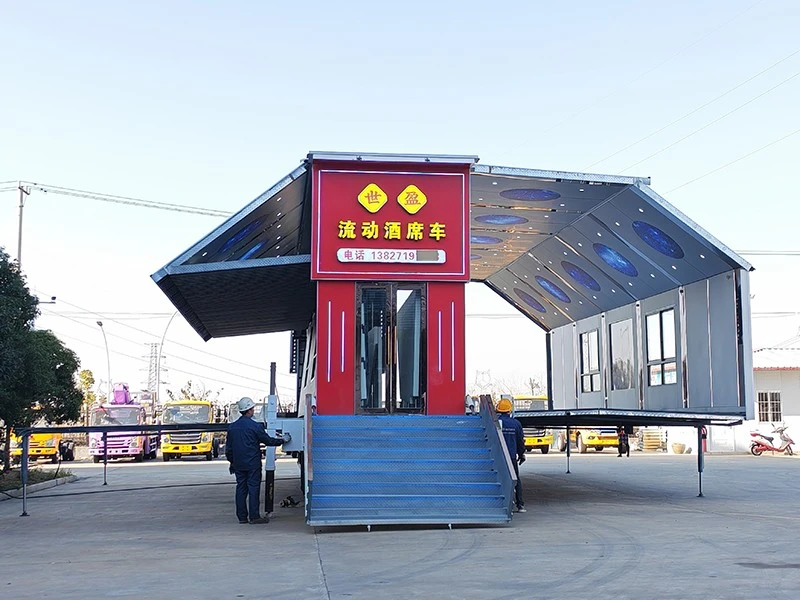
When we design our Banquet Catering Service Truck and Semi Mobile Catering Truck, we pay special attention to insulation. We use thick layers of insulation in all the critical areas of the truck. This not only helps in keeping the food warm but also reduces the energy consumption of the heating systems.
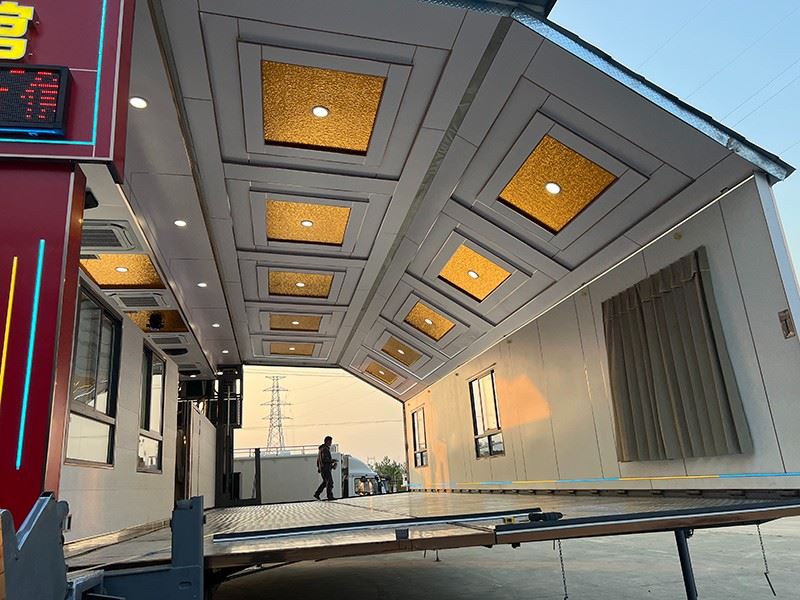
Use High - Quality Heating Equipment
Investing in high - quality heating equipment is non - negotiable. There are several types of heating equipment available for mobile catering trucks.
Heated Food Wells: These are containers with built - in heating elements. They come in different sizes and shapes to accommodate various types of food, such as soups, stews, and hot dogs. The heating elements in food wells can be set to a specific temperature, usually between 140°F (60°C) and 165°F (74°C). This temperature range is ideal for keeping food warm and safe to eat, as it prevents the growth of harmful bacteria.
Steam Tables: Steam tables use steam to keep food warm. They work by heating water at the bottom of the table, creating steam that rises and warms the food containers placed on top. Steam tables are great for keeping a variety of foods warm simultaneously, and they are very energy - efficient.
Induction Warmers: Induction warmers use electromagnetic fields to heat the cooking vessel directly. This means that the heat is transferred quickly and efficiently to the food. Induction warmers are often used for keeping single - serving dishes warm, such as individual plates of pasta or stir - fries.
Strategic Food Placement
Where you place the food in the truck can also have a significant impact on its temperature. Place the hot food items in the center of the heated areas. This way, they are surrounded by heat from all sides and are less likely to lose heat quickly.
Furthermore, group similar food items together based on their heat requirements. For example, place high - temperature items like freshly baked pizzas close to the hottest part of the heating equipment, while milder - temperature items like warm salads can be placed slightly farther away.
Regular Monitoring and Adjustment
It's crucial to regularly monitor the temperature of the food. Use food thermometers to check the temperature of the food at regular intervals, at least every 30 minutes. If the temperature is dropping below the safe range, take immediate action.
If you're using power - based heating equipment, make sure that the truck's power supply is stable. A fluctuation in power can cause the heating elements to malfunction, resulting in a drop in food temperature. If the power supply is insufficient, consider upgrading the electrical system of the truck or using a generator as a backup.
Effective Packaging
The way you package the food for customers can also help in keeping it warm. Use insulated food containers, such as foam or thermal bags, to wrap the food before handing it over to the customers. This will help in retaining the heat for a longer period, especially if the customers are planning to take the food away. Additionally, some packaging materials come with heat - reflective properties, which can further enhance the heat - retention capabilities.
Consider the External Environment
The external weather conditions play a vital role in how quickly the food loses heat. On a cold day, the heat loss from the truck will be much faster compared to a warm day. To counter this, you can use additional insulating covers on the truck. For example, thermal tarps can be placed over the truck during breaks in service to prevent heat from escaping.
During hot days, although the external temperature is high, direct sunlight can still cause problems. The intense heat from the sun can overheat some areas of the truck and lead to uneven heating of the food. So, park the truck in a shaded area whenever possible. You can also use sunshades on the windows and roof of the truck to block the sunlight.
Maintenance of Equipment
Regular maintenance of the heating equipment is essential to ensure its optimal performance. Clean the heating elements of the food wells, steam tables, and induction warmers regularly to remove any food debris or grease. This buildup can reduce the efficiency of the heating elements and lead to uneven heating of the food.
Check the insulation of the equipment for any signs of damage. If the insulation is damaged, it can cause heat loss, and the equipment will have to work harder to maintain the desired temperature. Replace any damaged parts immediately to avoid further problems.
Training the Staff
Proper training of the staff is crucial for maintaining the food temperature. The staff should be aware of the importance of keeping the food at the right temperature. They should know how to use the heating equipment correctly, how to monitor the food temperature, and what to do in case of a temperature drop.
Conduct regular training sessions for the staff, covering topics such as food safety, equipment operation, and emergency procedures. This will ensure that the staff is well - equipped to handle any situation related to food temperature control.
Conclusion
Keeping food warm in a mobile catering truck is a combination of proper insulation, high - quality heating equipment, strategic food placement, regular monitoring, effective packaging, and considering the external environment. By following these tips, you can ensure that the food served from your mobile catering truck is not only delicious but also safe to eat.
If you are in the market for a high - quality mobile catering truck or need more information on how to optimize food temperature control in your truck, we encourage you to reach out and initiate a procurement discussion. We are here to assist you in finding the best solutions for your mobile catering business.
References
- "Food Safety in Mobile Food Service Operations" - A guide published by the Food and Drug Administration.
- "Thermal Insulation Materials: Properties and Applications" - A research paper on the use of insulation in various industries.