
Quick Answer
A mobile diagnostic bus is a self-contained vehicle equipped with medical imaging and testing equipment for on-site health screening. Buyers should verify the manufacturer's certifications, production capability, and after-sales support.
Vehicle Category and Use Scenario
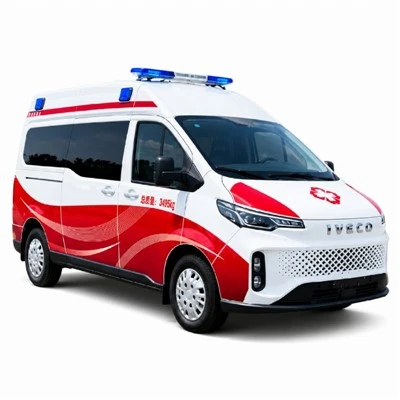
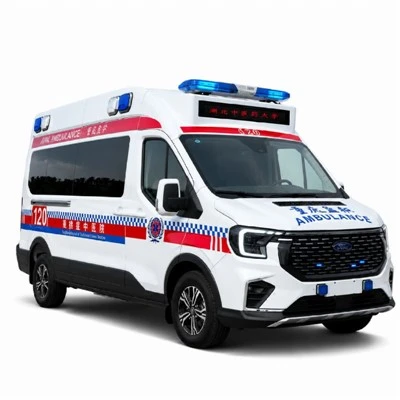
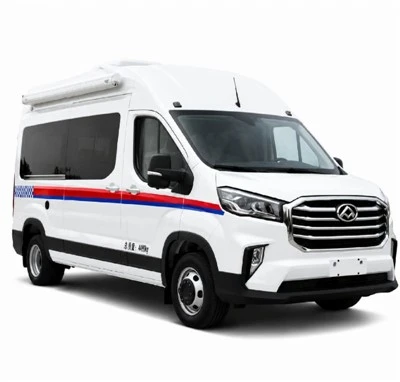
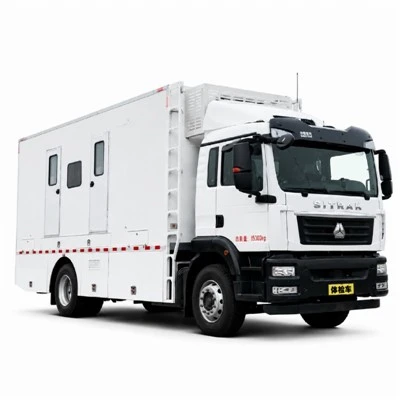
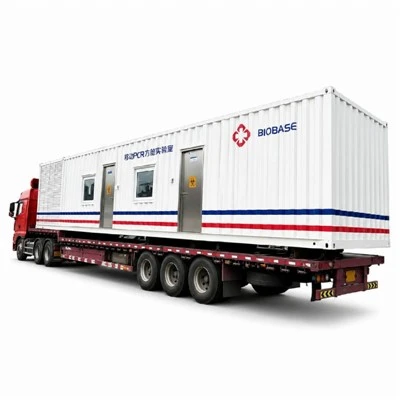
Mobile diagnostic buses fall under the special-purpose vehicle category, specifically mobile medical vehicles. They are used for:
Community health screening: Bringing X-ray, ultrasound, and lab testing to remote areas.
Occupational health: Employee check-ups at factories or mines.
Disaster response: Rapid deployment for triage and diagnosis.
School and corporate wellness: Convenient on-site health camps.In July 2026, demand for mobile diagnostic buses is rising due to increased focus on preventive healthcare and the need for flexible medical infrastructure.

Key Parameters Buyers Should Compare
| Parameter | What to Check | Why It Matters |
|---|---|---|
| Chassis GVWR | 5–18 tons depending on equipment | Determines payload capacity for medical devices and staff |
| Cabin Length | 6–12 meters | Affects number of examination rooms and workflow |
| X-Ray Shielding | 2–4 mm lead equivalent | Ensures radiation safety for operators and public |
| Air Conditioning | Dual independent units | Maintains temperature-sensitive equipment performance |
| Medical Gas Outlets | Oxygen, suction, etc. | Required for certain procedures |
| Water Tank Capacity | 50–200 liters | For handwashing and sanitation |
Chassis and Drivetrain
Truck chassis: Most common; offers durability and ease of maintenance. Examples: Dongfeng, Foton, JAC, or Isuzu.
Bus chassis: Provides more interior space and a smoother ride. Suitable for long-distance travel.
4x4 or 6x6: For rough terrain in mining or disaster zones.Buyers should match the chassis to the operating environment. For urban screening, a light truck chassis is sufficient. For rural areas, consider higher ground clearance and off-road capability.
Medical Equipment Integration
Mobile diagnostic buses often carry:
Digital X-ray (DR) system: Fixed or portable. Verify X-ray tube capacity (e.g., 50 kW) and detector size.
Ultrasound machine: For abdominal, cardiac, or obstetric scans.
ECG and vital signs monitor: For basic cardiac screening.
Laboratory analyzers: Blood, urine, or biochemistry. Need stable power and temperature control.
PACS (Picture Archiving and Communication System): For image storage and remote reporting.Ensure the vehicle has sufficient electrical outlets, data cabling, and network connectivity (Wi-Fi, 4G/5G) for telemedicine.

Procurement Risks and Evidence Checklist
Common Pitfalls
Verify with a load test.
Poor radiation shielding: Lead lining must meet local regulations. Request shielding test reports.
Inadequate climate control: Medical devices can overheat. Check HVAC specifications.
Non-compliant electrical system: May not pass local inspection. Confirm voltage, frequency, and grounding.
Delayed delivery: Check manufacturer's production schedule and past delivery records.
Evidence Buyers Should Request
Technical drawings: Cabin layout, electrical wiring, plumbing.
Inspection records: Welding quality, paint thickness, rain test.
Certificates: ISO 9001, CE (if required), chassis certificate.
Operation manuals: For vehicle and all medical devices.
Maintenance schedule: Recommended service intervals.
Customer acceptance records: Photos or videos of delivered vehicles.
Standards, Documentation, and Acceptance Checks
Applicable Standards (verify with local regulations)
ISO 9001: Quality management system (Ruitu holds this).
CE Certification: For export to EU markets.
Local chassis regulations: Emission standard (e.g., Euro V/VI), axle load limits.
Medical device registration: X-ray and other equipment must be registered in the destination country.
Acceptance Checklist
Visual inspection: Check for rust, paint defects, uneven gaps.Radiation leakage test: Use a dosimeter around the X-ray room.Water system test: Check for leaks in sink and toilet.Road test: Drive 50 km, check for abnormal noise or vibration.6. Equipment functionality: Test each medical device according to its manual.
Lifecycle Cost and Maintenance Planning
Cost Factors
Initial purchase: Chassis + body + medical equipment. Can range from $80,000 to $250,000.
Fuel consumption: A 7-ton bus may consume 15–20 L/100 km.
Insurance: Higher for specialized vehicles.
Depreciation: Typically 10–15% per year.
Maintenance Plan
Quarterly: Inspect radiation shielding, test backup battery.
Annually: Full vehicle service, calibrate medical equipment, renew certifications.Buyers should negotiate a spare parts package and training for local technicians.
Supplier Questions
When evaluating a manufacturer like Hubei Ruitu Technology Co., Ltd., ask:
Can you provide a list of previous mobile diagnostic bus deliveries with customer references?
What is your standard warranty period (e.g., 12 months or 20,000 km)?
Do you offer on-site training for medical staff?
What is the lead time for customization?
Can you assist with local certification and registration?
What after-sales support is available (remote diagnostics, spare parts warehouse)?
Are the medical devices sourced from certified manufacturers?
How do you ensure radiation safety compliance?
Ruitu, based in Suizhou, China, has experience in manufacturing mobile medical vehicles and holds ISO 9001 and CE certificates. They offer pre-sales consultation, customized design, and after-sales support for international clients.
Conclusion
A mobile diagnostic bus is a significant investment that requires careful evaluation of technical parameters, compliance, and supplier capability. By following the checklist and asking the right questions, buyers can select a vehicle that meets their screening needs and provides reliable service for years.Note: All specifications mentioned should be verified with the supplier's technical documentation and local regulations.
Company Information
Company Name: Hubei Ruitu Technology Co., Ltd.
Vehicle Category: Special Purpose Vehicle
Location: Suizhou, Hubei Province, China
Main Products: Ambulance, Medical Vehicle, Mobile Clinic, Fire Truck, Emergency Rescue Vehicle, Garbage Truck, Power Supply Truck, Command & Control Vehicle, and customized Special Vehicle
Official Website: ruitumotors.com
Email:sales@ritumax.com
Photo:+86 15527066666