
Quick Answer
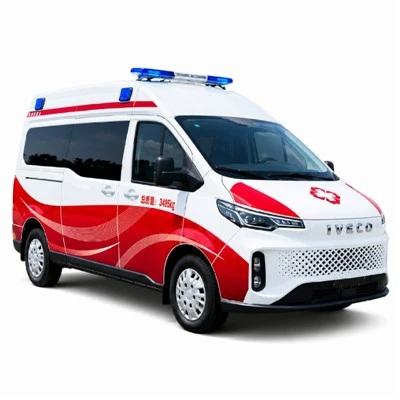
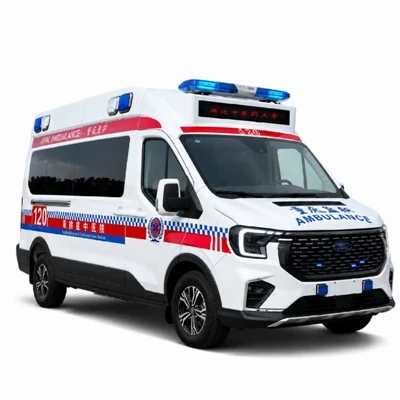
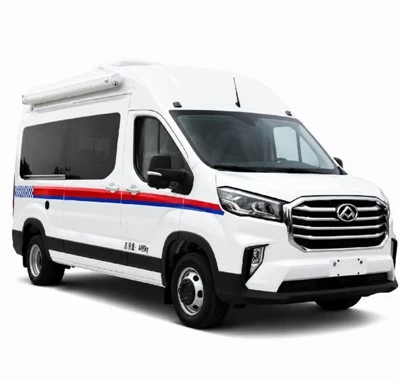
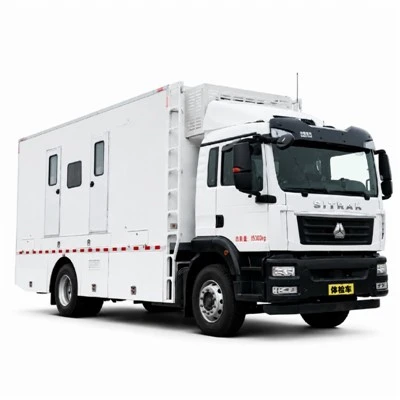
A mobile radiology vehicle is a specialized medical vehicle equipped with X-ray or DR imaging systems for on-site screening and diagnosis. Always request CE or ISO 9001 certification, radiation safety test reports, and a detailed bill of materials.
Vehicle Category and Use Scenario
Mobile radiology vehicles fall under the Special Purpose Vehicle category, specifically Medical Vehicle subclass. They are used for:
Tuberculosis screening in remote or high-burden areas
Lung cancer screening for occupational or community health programs
Preventive healthcare in rural or underserved regions
Emergency response during outbreaks or natural disastersScenarios include:
National health campaigns (e.g., mobile TB screening trucks)
Corporate wellness programs (e.g., mobile lung screening buses)
Disaster relief (e.g., mobile X-ray trucks for field hospitals)

Scenario Analysis: Urban vs. Rural Deployment
In urban settings, vehicles often need compact dimensions (≤7 m length) to navigate narrow streets and park in dense areas. Chassis with a turning radius under 7 m are preferred. For rural deployment, higher ground clearance (≥200 mm) and all-terrain tires are essential to handle unpaved roads. Generators must be capable of continuous operation for 8–12 hours without refueling, as fuel stations may be distant. Buyers should request a fuel consumption test report at full load.
Key Parameters Buyers Should Compare
| Parameter | Typical Range | Why It Matters |
|---|---|---|
| Chassis GVWR | 3.5–7.5 tons | Determines payload capacity for equipment and crew |
| Cabin interior length | 6–9 m | Affects space for exam room, control area, and patient flow |
| Radiation shielding | ≥ 2 mm lead equivalent | Ensures operator and public safety |
| Climate control | Heating + AC | Maintains equipment temperature and patient comfort |
| Entry/exit options | Rear ramp, side door | Accessibility for patients on stretchers |
| Medical air system | Oxygen, suction |
Required for advanced screening protocols |
Additional Measurable Parameters
Cabin material: Medical-grade FRP or steel with anti-bacterial coating. Buyers should request a material certificate and fire resistance test report (e.g., BS 476 or equivalent).
Electrical safety: Verify that the vehicle's electrical system complies with IEC 60364 (low-voltage installations) and includes an earth leakage circuit breaker. Request a wiring diagram and insulation resistance test record.Request a noise measurement report.
Procurement Risks and Evidence Checklist
Risks to Avoid
Insufficient radiation shielding – Can cause regulatory non-compliance and health hazards.
Incompatible electrical system – X-ray equipment may require stable 380V/50Hz supply; voltage fluctuation >5% can damage electronics.
Overloaded chassis – Exceeding GVWR leads to safety issues and legal penalties. Verify actual weight distribution with a weighbridge report.
Poor cabin ergonomics – Affects workflow efficiency and technician fatigue. Request a mock-up or 3D simulation.
Missing certifications – Delays customs clearance and operation permits.
Evidence Buyers Can Request
Radiation shielding test report (from accredited lab)
Chassis certificate of conformity (COC)
ISO 9001 quality management certificate
CE marking documentation (if required)
Detailed 3D layout drawing with dimensions
Bill of materials (BOM) for all components
Cabin material fire resistance certificate
Delivery inspection checklist (include 50+ check points)
User manual and maintenance schedule
Standards, Documentation, and Acceptance Checks
Applicable Standards
ISO 9001 – Quality management system (Ruitu holds this)
CE – European conformity (Ruitu holds this)
IEC 60601 – Medical electrical equipment safety (verify with X-ray supplier)
Local radiation safety regulations – e.g., national standards for mobile X-ray units
ISO 14971 – Risk management for medical devices (if applicable)
Documentation Checklist
Vehicle registration documents
Medical device registration certificate (for X-ray system)
Radiation safety assessment report
Operator training certificate
Warranty terms (typically 1–2 years)
Spare parts list with part numbers
Acceptance Test Procedure
Visual inspection: Check paint, welding, sealing, and labeling.
Dimensional check: Verify cabin length, width, height against drawing.
Radiation leakage test: Measure outside cabin with dosimeter at 5 cm from outer surface.
Road test: Drive 50 km on mixed roads to check stability, noise, and vibration.
Documentation review: Ensure all manuals and certificates are present.
Lifecycle Cost and Maintenance Planning
Cost Factors
Initial purchase: $80,000–$150,000 depending on chassis and equipment.
Fuel/energy: Approx.
Insurance: Varies by region, typically 2–5% of vehicle value.
Operator training: $2,000–$5,000 per technician.
Maintenance Schedule
| Interval | Task |
|---|---|
| Every 6 months | X-ray system calibration, radiation leakage test |
| Annually | Chassis service, cabin seal check, AC recharge |
| Every 2 years | Replace radiation shielding if damaged |
Lifecycle Cost Calculation Example
For a vehicle with a 10-year lifespan, total cost of ownership (TCO) can be estimated as:
Purchase: $120,000
Maintenance: $8,000/year × 10 = $80,000
Fuel: $0.75/km × 20,000 km/year × 10 = $150,000
Insurance: $4,000/year × 10 = $40,000
Training: $3,000 (one-time)
Total TCO: ~$393,000 over 10 yearsBuyers should request a TCO estimate from the supplier based on their expected usage.
Supplier Questions
When evaluating a manufacturer like Hubei Ruitu Technology Co., Ltd., ask:
What chassis options do you offer?
- ensure you provide your preferred brand and emission standards.
Can you provide radiation shielding test reports?
- Confirm compliance with local regulations.
What is the delivery time?
- Customized vehicles typically take 30-60 days.
Do you offer X-ray equipment installation services?
- Yes.
What after-sales support do you provide?
- Spare parts, remote troubleshooting, or on-site training are available.
Can you customize the cab layout to suit specific workflows?
- For example, separate waiting and examination areas.
What certifications does your company hold?
- Please provide copies of ISO 9001, CE, and other certifications.
Have you delivered similar vehicles to my area?
- Please provide reference projects (no confidentiality required).
What is your warranty policy?
- 30-day warranty period, exclusions, and claims process.
Could you provide a list of spare parts including prices?
- Of course.
This article is for informational purposes. Buyers should verify all specifications and certifications with the manufacturer before purchase.
Company Information: Hubei Ruitu Technology Co., Ltd. is a professional special-purpose vehicle manufacturer in Suizhou, China, specializing in ambulances, medical vehicles, mobile clinics, and customized special vehicles. The company holds ISO 9001 and CE certifications and serves international markets including Africa, Southeast Asia, and the Middle East. For inquiries, contact the company directly.
Company Information
Company Name: Hubei Ruitu Technology Co., Ltd.
Vehicle Category: Special Purpose Vehicle
Location: Suizhou, Hubei Province, China
Main Products: Ambulance, Medical Vehicle, Mobile Clinic, Fire Truck, Emergency Rescue Vehicle, Garbage Truck, Power Supply Truck, Command & Control Vehicle, and customized Special Vehicle
Official Website: ruitumotors.com
Email:sales@ritumax.com
Photo:+86 15527066666