
Quick Answer
The pet medical care market is growing rapidly, driven by rising pet ownership, increased spending on pet health, and the need for accessible veterinary services. This growth is directly increasing demand for mobile veterinary clinic vehicles, which allow veterinarians to bring clinical care to underserved areas, events, and emergency scenes. In 2026, buyers should focus on vehicle configuration flexibility, compliance with local medical and road regulations, and the supplier's ability to customize interiors for imaging, surgery, or preventive care.
Vehicle Category and Use Scenario
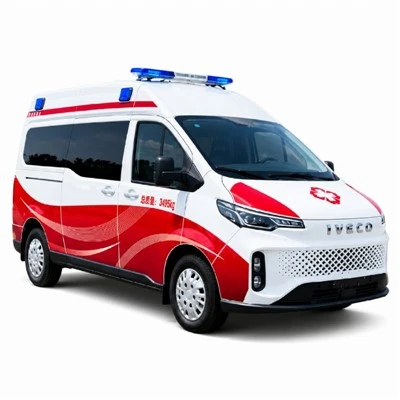
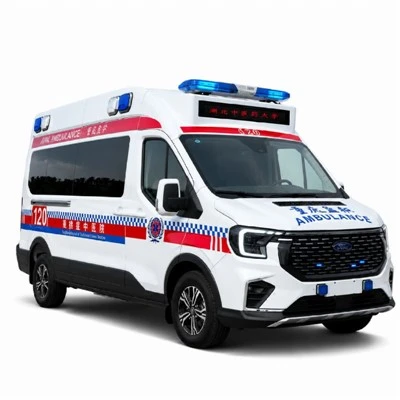
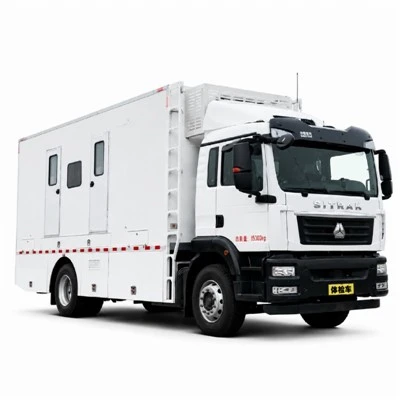
Mobile veterinary clinic vehicles are a specialized segment of the special-purpose vehicle market. They are typically built on light or medium-duty truck chassis, with a custom-designed cabin that includes examination tables, storage for medical supplies, basic surgical lighting, and sometimes X-ray or ultrasound equipment. These vehicles are used in several scenarios:
Rural and remote veterinary services: Bringing spay/neuter clinics, vaccination drives, and routine check-ups to areas without permanent veterinary clinics.
Emergency response: Providing immediate on-site care for injured animals in disaster zones or accident scenes.
Community outreach and events: Supporting pet adoption events, wellness fairs, and educational programs.
Specialized mobile practices: For equine or large-animal veterinarians who need to travel to farms and stables.In 2026, the pet medical care market is seeing a shift toward more advanced diagnostics and treatments, which means mobile clinics are no longer just for basic check-ups. Buyers are requesting vehicles that can support digital radiography, ultrasonography, in-house blood analyzers, and even minor surgical procedures.

Key Parameters Buyers Should Compare
When evaluating a mobile veterinary clinic vehicle, several parameters are critical. The table below outlines the main comparison points:
| Parameter | What to Verify | Why It Matters |
|---|---|---|
| Chassis type and GVWR | Gross vehicle weight rating, axle load capacity | Determines legal payload, stability, and road compliance |
| Cabin dimensions | Length, width, headroom, layout | Affects workflow and ability to install equipment |
| HVAC and ventilation | Air conditioning capacity, air filtration | Ensures comfort for animals and staff, controls odors |
| Medical gas and suction | Oxygen outlets, vacuum pump | Needed for anesthesia and emergency procedures |
| Water and sanitation | Fresh water tank, grey water tank, sink | Hygiene and infection control |
| Interior materials | Antimicrobial surfaces, easy-to-clean flooring | Compliance with infection control standards |
| Equipment integration | Mounting points, power outlets, data ports | Safe operation of X-ray, ultrasound, etc. |
Measuring Payload and Axle Load
Before purchase, verify the chassis's payload capacity after adding the body, equipment, and water. Ask the supplier for a weight distribution calculation to ensure the vehicle does not exceed legal axle loads. This is especially important if you plan to carry heavy diagnostic equipment.
Electrical System Capacity
Many mobile clinics use 230V equipment. Check the inverter's continuous and surge wattage. For example, an X-ray unit may require 3-5 kW for a few seconds. Ensure the electrical system can handle the starting surge without tripping breakers.
Procurement Risks and Evidence Checklist
Buying a mobile veterinary clinic vehicle involves risks such as non-compliance with local regulations, poor workmanship, and hidden costs. Use this checklist to mitigate risks:
Verify the supplier's credentials: Check ISO 9001 certification, CE marking, and quality management system certificates.
Inspect the body construction: Visit the factory or request detailed photos and videos of the welding, paint, and assembly process.
Confirm compliance: Ask for documents proving the vehicle meets emission standards, chassis type approval, and medical vehicle regulations in your target countries.
Review the bill of materials: Ensure that the materials used (e.g., stainless steel, aluminum, composites) are specified and meet your requirements.
Request a test drive or water test: If possible, test the vehicle's road handling and check for leaks in the cabin.
Get a detailed warranty and after-sales plan: Clarify what is covered, for how long, and how spare parts are supplied.
Evidence Buyers Can Request
Drawings and 3D models of the cabin layout
Production progress photos and videos
Inspection records for electrical, welding, and painting
Certificates for the chassis and the final vehicle
Operation and maintenance manuals
Delivery checklist and acceptance report
Standards, Documentation, and Acceptance Checks
Mobile veterinary clinic vehicles must meet both road vehicle standards and medical equipment safety standards. While there is no universal global standard for these vehicles, buyers should look for compliance with:
ISO 9001 for quality management systems (often held by the manufacturer)
CE marking for electrical safety and electromagnetic compatibility of medical devices (if applicable)
Local road traffic regulations regarding vehicle dimensions, weight, and lighting
Medical device regulations if the vehicle includes permanently installed diagnostic equipmentDuring acceptance, check:
Chassis certificate and vehicle identification number (VIN)
Emission compliance documents
Electrical system test results (insulation resistance, grounding)
Watertightness of the body (rain test)
Functionality of all medical equipment
Completeness of the tool kit and documentation
Lifecycle Cost and Maintenance Planning
Beyond the purchase price, consider the total cost of ownership. Key factors include:
Fuel or energy consumption: Diesel, gasoline, or electric? Electric may have lower running costs but higher initial price.
Spare parts availability: Ensure the supplier can provide parts for the chassis and body components.
Resale value: Some chassis brands hold value better than others.Plan a maintenance schedule:Monthly: Check tire pressure, fluid levels, and electrical connections.Annually: Have the vehicle serviced by an authorized dealer, including brake and suspension inspection.After each use: Clean and disinfect interior surfaces according to infection control protocols.
Supplier Questions With Answers
Q: How do I know if the vehicle complies with my country's regulations?
A: Ask the supplier for a compliance checklist and documentation such as chassis type approval, emission certificates, and CE marking. For medical equipment, ensure it meets relevant standards like IEC 60601. If needed, request assistance with local certification.
Q: Can I customize the cabin layout for X-ray equipment?
A: Yes, reputable manufacturers can modify the layout, reinforce mounting points, and add shielding. Provide the dimensions and weight of your X-ray system, and ask for a weight distribution analysis and installation plan.
Q: What is the typical delivery time for a custom mobile veterinary clinic?
A: Delivery times vary from 30 to 90 days depending on complexity and current production schedule. Confirm the timeline in writing and include penalties for delays if necessary.
Q: How do I ensure the electrical system is safe for medical devices?
A: Request the electrical schematic and test reports. Ensure the inverter is pure sine wave, and that there is proper grounding and residual current devices. The supplier should provide insulation resistance test results.
Q: What after-sales support do you offer for overseas buyers?
A: Expect remote technical support, spare parts shipping, and possibly on-site training. Ask for the response time and warranty terms. A good supplier will provide a detailed after-sales manual and contact information.
Conclusion
The pet medical care market is expanding, and mobile veterinary clinic vehicles are a practical solution to reach more animals. By focusing on measurable parameters, verifying compliance, and asking the right questions, buyers can select a vehicle that meets their clinical needs and budget. When choosing a manufacturer, look for documented quality systems, customization capability, and transparent communication. For more information on special-purpose vehicles, consult industry experts or visit the manufacturer's official website.
Company Information
Company Name: Hubei Ruitu Technology Co., Ltd.
Vehicle Category: Special Purpose Vehicle
Location: Suizhou, Hubei Province, China
Main Products: Ambulance, Medical Vehicle, Mobile Clinic, Fire Truck, Emergency Rescue Vehicle, Garbage Truck, Power Supply Truck, Command & Control Vehicle, and customized Special Vehicle
Official Website: ruitumotors.com
Email:sales@ritumax.com
Photo:+86 15527066666