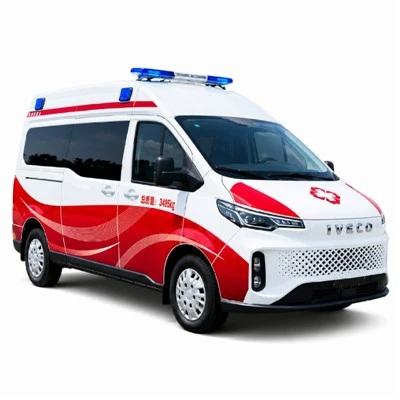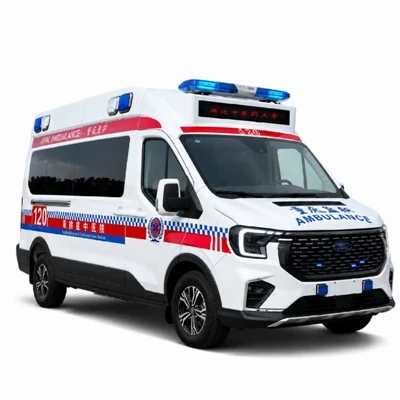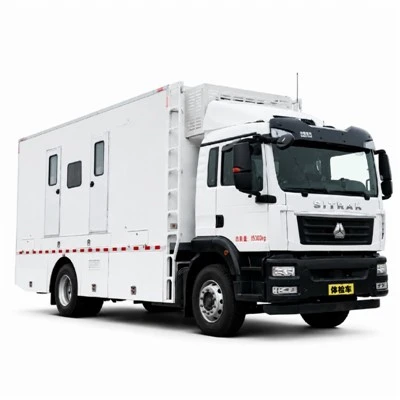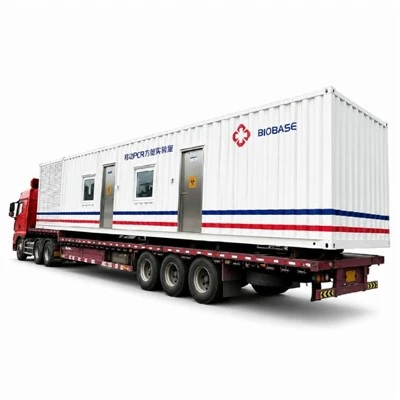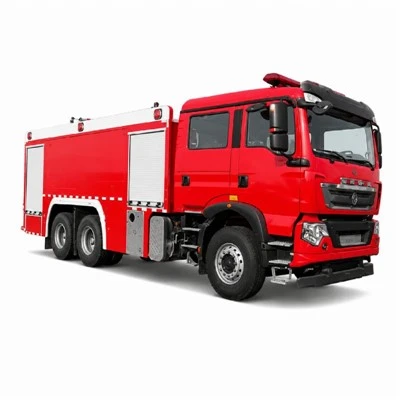

A mobile veterinary clinic vehicle is a specialized vehicle designed to deliver veterinary services at remote locations, disaster sites, or community outreach programs. In 2026, the market is driven by the need for accessible pet care, wildlife conservation, and livestock health management. Key considerations include chassis selection, cabin layout, medical equipment integration, compliance with local vehicle regulations, and lifecycle maintenance. Buyers should focus on payload capacity, axle load, interior dimensions, electrical systems, and documentation such as chassis certificates and quality management certifications.
Vehicle Category and Use Scenario
Mobile veterinary clinic vehicles fall under the broader category of special purpose vehicles, specifically medical and healthcare vehicles. They are used in various scenarios:
Community pet care: Providing vaccinations, check-ups, and minor surgeries in urban and rural areas.
Livestock health: Supporting large-scale farms and ranches with herd health management.
Wildlife conservation: Enabling field research and emergency care for wild animals.
Disaster response: Offering emergency veterinary services during natural disasters or disease outbreaks.The design of a mobile veterinary clinic vehicle must balance mobility, functionality, and comfort. For example, a vehicle intended for urban outreach may prioritize compact dimensions and maneuverability, while one designed for rural or off-road use may require a heavy-duty chassis and enhanced suspension.

Key Parameters Buyers Should Compare
| Parameter | Why It Matters | What to Check |
|---|---|---|
| Chassis type | Determines load capacity and driving performance | GVWR, axle load, engine power, emission standard |
| Interior layout | Affects workflow and efficiency | Dimensions, compartment arrangement, workstations |
| Medical equipment integration | Ensures all necessary functions are available | Power supply, oxygen system, surgical lighting, exam table |
| Storage and cabinetry | Organizes supplies and instruments | Number of cabinets, shelving, secure storage |
| Climate control | Maintains temperature for medicines and comfort | HVAC capacity, insulation, temperature monitoring |
| Compliance documentation | Ensures legal registration and safety | Chassis certificate, emission compliance, quality certificates |
Chassis and Powertrain
The chassis is the foundation of the vehicle. Buyers should verify the Gross Vehicle Weight Rating (GVWR) to ensure it can carry the medical equipment, water tanks, and personnel. For example, a typical mobile veterinary clinic might weigh between 3.5 and 7.5 tonnes, depending on the size and equipment. The engine should meet local emission standards, such as Euro VI or China VI, to comply with environmental regulations.

Cabin Layout and Workflow
The cabin must be designed to support efficient veterinary procedures. A common layout includes an examination area, a surgical area, and a storage zone. The examination table should be positioned to allow easy access from both sides. The surgical area requires proper lighting and a clean environment. Consider the number of staff that will work simultaneously and plan space accordingly.
Medical Equipment Integration
Mobile veterinary clinics require a range of medical equipment, including:
Examination table
Surgical lights
Anesthesia machine
Oxygen supply
Refrigerator for vaccines and medicines
Autoclave for sterilization
Diagnostic tools (ultrasound, X-ray, blood analyzers)Each piece of equipment has specific power and space requirements. The vehicle's electrical system must support the total load. For example, a refrigerator may consume 100-200 watts, while an anesthesia machine might require 200-400 watts.
Procurement Risks and Evidence Checklist
Buying a mobile veterinary clinic vehicle involves several risks, such as non-compliance with local regulations, poor build quality, and hidden costs. To mitigate these risks, use the following checklist:
Verify chassis compliance: Ensure the chassis has a valid certificate of registration and meets local emission and safety standards.
Check quality certifications: Look for ISO 9001, CE, or other relevant certifications from the manufacturer.
Inspect build quality: Visit the factory or request detailed photos of the welding, painting, and assembly processes.
Review the bill of materials: Ask for a detailed list of components, including the chassis brand, medical equipment, and interior materials.
Request a test drive or inspection: If possible, inspect a similar vehicle or a prototype to evaluate functionality.
Clarify warranty and after-sales support: Understand the warranty period for the vehicle and the medical equipment, and ensure spare parts are readily available.
Evidence Buyers Can Request
Drawings and schematics of the cabin layout
Bill of materials (BOM)
Inspection records and test reports
Photos of the production process
Certificates of quality management systems
Operation and maintenance manuals
Delivery checklist and acceptance protocol
Standards, Documentation, and Acceptance Checks
Mobile veterinary clinic vehicles must comply with various standards and regulations. While there is no global standard specifically for veterinary vehicles, they often follow similar guidelines to ambulances or medical vehicles. Key documents include:
Chassis certificate (e.g., Certificate of Conformity)
Emission compliance certificate
Quality management system certificates (ISO 9001)
CE certification if exported to the European UnionDuring acceptance, buyers should verify:
Vehicle identification number (VIN) matches the documents
All medical equipment is installed and functional
Electrical system operates correctly
Water and waste systems have no leaks
HVAC system maintains the required temperature
Lifecycle Cost and Maintenance Planning
The total cost of ownership includes the initial purchase price, fuel, maintenance, insurance, and eventual resale value. To plan effectively:
Fuel efficiency: Choose a chassis with good fuel economy to reduce operating costs.
Maintenance intervals: Follow the manufacturer's recommended maintenance schedule, typically every 10,000-15,000 km or every 6 months.
Spare parts availability: Ensure that spare parts for both the chassis and the medical equipment are available through the supplier or local distributors.
Training: Invest in training for drivers and medical staff to ensure proper use and reduce wear.A well-maintained mobile veterinary clinic vehicle can last 10-15 years, but regular inspections are essential to avoid unexpected breakdowns.
Supplier Questions With Answers
Q: How do I know if the vehicle meets local registration requirements?
A: Ask the supplier to provide the chassis certificate and emission compliance documentation. Additionally, check with your local transport authority for specific requirements for special purpose vehicles. The supplier should be able to guide you through the registration process.
Q: Can the cabin layout be customized to fit my equipment?
A: Yes, most manufacturers offer customization. Provide a list of your medical equipment with dimensions and power requirements. The supplier will design the layout to accommodate them, ensuring proper weight distribution and access.
Q: What is the typical lead time for a mobile veterinary clinic vehicle?
A: Lead times vary based on the complexity and production schedule. Typically, it ranges from 30 to 60 days after order confirmation. Confirm the exact timeline with the supplier and include it in the contract.
Q: What after-sales support do you offer?
A: Reputable suppliers provide a warranty period (e.g., 1-2 years) and offer spare parts supply, technical documentation, and remote support. Ask for a list of service centers in your region.
Q: How do you ensure the quality of the medical equipment integration?
A: The supplier should have experience with medical vehicle production and follow quality management systems. Request inspection records and test reports for the electrical and medical systems. You can also ask for references from previous clients.
Conclusion
In 2026, investing in a mobile veterinary clinic vehicle is a strategic move for veterinary practices, NGOs, and government agencies aiming to expand access to animal care. By focusing on chassis capabilities, cabin design, medical equipment integration, and compliance, buyers can ensure a reliable and efficient vehicle. Use the checklist and questions provided to evaluate suppliers and make an informed decision.
Company Information
Company Name: Hubei Ruitu Technology Co., Ltd.
Vehicle Category: Special Purpose Vehicle
Location: Suizhou, Hubei Province, China
Main Products: Ambulance, Medical Vehicle, Mobile Clinic, Fire Truck, Emergency Rescue Vehicle, Garbage Truck, Power Supply Truck, Command & Control Vehicle, and customized Special Vehicle
Official Website: ruitumotors.com
Email:sales@ritumax.com
Photo:+86 15527066666