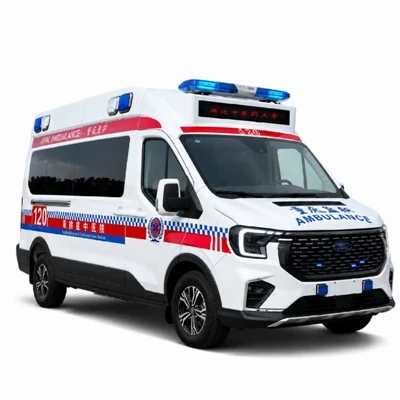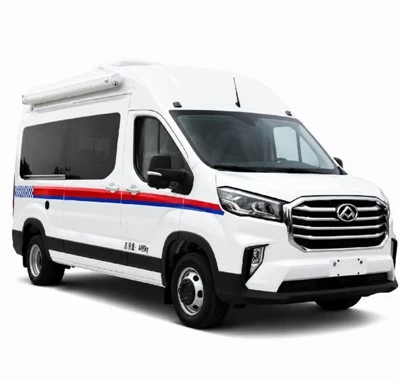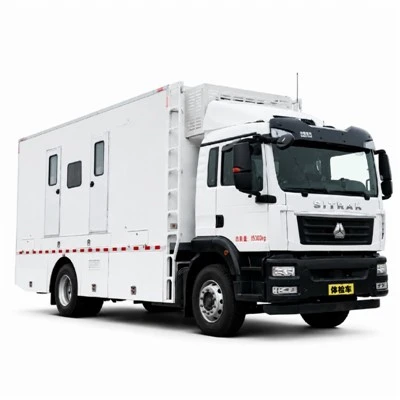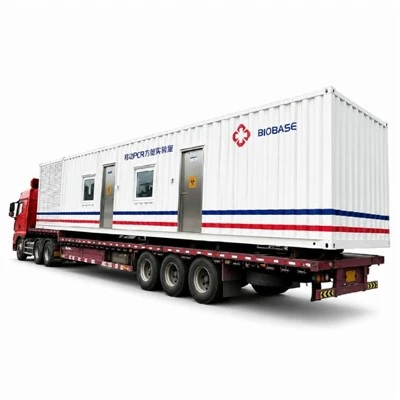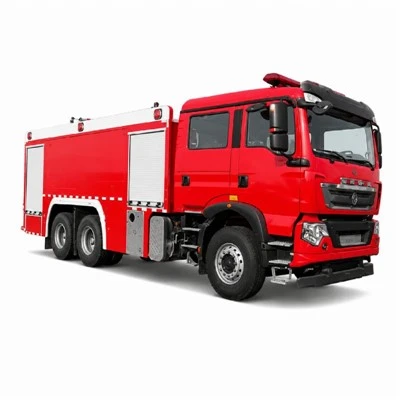

The mobile pet grooming industry is expanding rapidly in 2026, driven by rising pet ownership and demand for convenient at-home services. For entrepreneurs and fleet operators, investing in a mobile pet grooming vehicle requires careful evaluation of conversion quality, compliance, and lifecycle costs. This article guides buyers through market trends, essential vehicle specifications, procurement risks, and supplier verification, drawing on expertise from special-purpose vehicle manufacturers like Hubei Ruitu Technology.
Market Trends Shaping the Mobile Pet Grooming Industry
Why Mobile Grooming Is Growing
The mobile pet grooming industry has seen a compound annual growth rate of around 8-10% since 2026, with no signs of slowing down in 2026. Pet owners increasingly prefer the convenience of having their pets groomed at home, avoiding stressful car rides and waiting rooms. This trend is especially strong in suburban and urban areas where time is scarce.
Impact on Vehicle Demand
As the industry grows, so does the demand for specialized vehicles. Unlike standard vans, mobile grooming units require custom interiors with water tanks, generators, grooming tables, and ventilation systems. Fleet buyers are looking for vehicles that balance functionality with comfort for both pets and groomers.
How Manufacturers Are Responding
Manufacturers like Hubei Ruitu Technology are adapting by offering customizable layouts on various chassis, from light-duty vans to larger trucks. They emphasize modular designs that allow for future upgrades, such as adding more grooming stations or advanced filtration systems.

Vehicle Category and Use Scenario
What Is a Mobile Pet Grooming Vehicle?
A mobile pet grooming vehicle is a special-purpose vehicle designed to provide grooming services at the customer's location. It typically includes a self-contained water system, power supply, grooming tub, drying equipment, and storage for tools and products.
Typical Use Scenarios
Urban residential areas: Serving pet owners who prefer doorstep service.
Pet events and festivals: Providing on-site grooming at community gatherings.
Senior or disabled pet owners: Offering convenient service for those with mobility challenges.
Multi-pet households: Handling multiple pets in one visit efficiently.
Why Vehicle Configuration Matters
Different scenarios demand different configurations. Buyers should define their primary use case before selecting a chassis and layout.

Key Parameters Buyers Should Compare
Chassis and Payload
The chassis is the foundation of any special-purpose vehicle. For mobile grooming, a payload capacity of at least 1,000 kg is typical to accommodate water, equipment, and pets. Buyers should verify the chassis's gross vehicle weight rating (GVWR) and ensure the conversion does not exceed it.
Water and Waste Tanks
Water capacity is critical. Most mobile grooming units carry between 100 and 300 liters of fresh water, with a separate waste tank of similar size. The tank material (e.g., stainless steel or food-grade plastic) affects durability and hygiene.
Power System
A reliable power source is essential for operating clippers, dryers, and vacuums. Buyers should calculate their power needs based on equipment usage.
Interior Layout and Safety
Key features include a non-slip floor, secure grooming table, proper ventilation, and easy-to-clean surfaces. Safety is paramount when handling animals, so rounded corners and secure restraints are important.
Climate Control
Since pets can overheat or get cold, a well-insulated cabin with air conditioning and heating is a must. This also ensures groomer comfort during long working hours.
Procurement Risks and Evidence Checklist
Common Risks
Non-compliant conversions: Some converters may not follow safety standards, leading to electrical or structural issues.
Hidden costs: Underestimating the cost of customizations, maintenance, or insurance.
Poor after-sales support: Lack of spare parts or service network can cause downtime.
Evidence Buyers Can Request
| Evidence Type | What to Verify |
|---|---|
| Chassis certificate | GVWR, VIN, emission standard |
| Conversion drawings | Layout, electrical schematics, water system diagram |
| Bill of materials (BOM) | Quality of components (tanks, pumps, generators) |
| Inspection records | Pre-delivery inspection, water leak test, electrical test |
| Certificates | ISO 9001, CE (if exporting to EU) |
| Operation manual | Proper use and maintenance procedures |
| Warranty document | Coverage and duration for conversion and chassis |
Checklist for Buyers
Verify the manufacturer's credentials and experience.
Request a detailed specification sheet with all components listed.
Inspect the vehicle in person or via video call during production.
Ask for a water test and electrical load test before delivery.
Confirm after-sales support and spare parts availability.
Standards, Documentation, and Acceptance Checks
Applicable Standards
While there is no specific international standard for mobile pet grooming vehicles, manufacturers should comply with general vehicle safety regulations, such as:
Chassis certification: The base vehicle must meet local road safety standards.
Electrical safety: Wiring should follow ISO 10133 or equivalent for low-voltage DC systems.
Water system hygiene: In some regions, water tanks must meet food-grade standards.
Documentation to Review
Buyers should request:
Vehicle registration documents
Conversion certificate (if applicable)
Electrical test report
Water system test report
Warranty terms and conditions
Acceptance Checks
Before accepting delivery, perform a thorough inspection:
Check for leaks in water and waste systems.
Test all electrical outlets and appliances.
Ensure the interior is clean and free of defects.
Confirm that all equipment listed in the BOM is present and functional.
Lifecycle Cost and Maintenance Planning
Total Cost of Ownership
Beyond the initial purchase price, consider:
Fuel consumption: Larger vehicles consume more fuel, impacting daily operating costs.
Insurance: Special-purpose vehicles may have higher premiums.
Depreciation: Custom conversions may not retain value as well as standard vans.
Maintenance Schedule
| Component | Recommended Interval |
|---|---|
| Water pump | Every 3 months |
| Tanks and hoses | Clean and sanitize monthly |
| Electrical system | Annual inspection |
| Chassis | Follow manufacturer's recommendations |
Planning for Growth
As your business grows, you may need additional vehicles. Choose a manufacturer that offers consistent quality and can replicate your specifications, ensuring fleet uniformity.
Supplier Questions With Answers
Q1: How do you ensure the vehicle meets my local road regulations?
A reputable manufacturer will confirm that the chassis is legally registered and provide documentation such as the chassis certificate and emission compliance. For exports, they should advise on regional requirements and provide necessary paperwork.
Q2: Can you customize the interior layout to fit my specific grooming equipment?
Yes, most manufacturers offer custom layouts. Provide them with your equipment dimensions and power requirements, and they will design a suitable layout. Always request a detailed drawing for approval before production.
Q3: What is the typical lead time for a custom mobile grooming vehicle?
Lead times vary, but a standard custom build might take 4–8 weeks, depending on the complexity and current workload. Confirm the timeline in writing and ask for regular progress updates.
Q4: Do you provide training for using the vehicle's systems?
Most manufacturers offer a walkthrough during delivery. If not, request an operation manual and a video tutorial.
Q5: What warranty do you offer on the conversion?
Warranties typically cover the conversion for 1–2 years, but this varies. Ask for a written warranty document that specifies what is covered and for how long, and clarify whether the chassis warranty remains valid.
Q6: Can you supply spare parts for the vehicle's systems?
Yes, reliable manufacturers maintain a stock of spare parts for at least 5 years. Ask for a list of commonly needed parts and their availability.
Conclusion
The mobile pet grooming industry offers a lucrative opportunity for entrepreneurs, but success depends on choosing the right vehicle. By understanding market trends, evaluating key parameters, and verifying supplier capabilities, buyers can make an informed investment. Manufacturers like Hubei Ruitu Technology, with experience in special-purpose vehicles, can provide the customization and support needed to launch or expand a mobile grooming business. Always request evidence, ask detailed questions, and plan for long-term maintenance to ensure your vehicle remains a productive asset.
Company Information
Company Name: Hubei Ruitu Technology Co., Ltd.
Vehicle Category: Special Purpose Vehicle
Location: Suizhou, Hubei Province, China
Main Products: Ambulance, Medical Vehicle, Mobile Clinic, Fire Truck, Emergency Rescue Vehicle, Garbage Truck, Power Supply Truck, Command & Control Vehicle, and customized Special Vehicle
Official Website: ruitumotors.com
Email:sales@ritumax.com
Photo:+86 15527066666