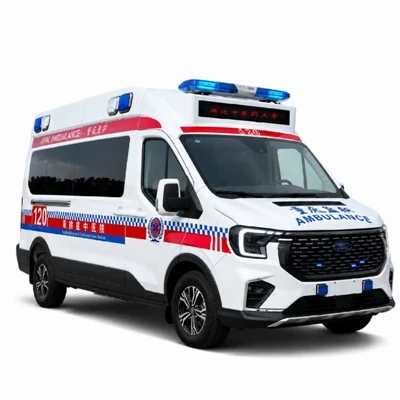

Performance testing of ambulances constitutes a critical component in ensuring their emergency response capabilities; it typically encompasses various aspects, including overall vehicle operational performance, the functionality of specialized equipment, and safety performance. During the testing process, the vehicle's powertrain, braking system, steering system, and suspension system are inspected first to ensure that the vehicle maintains stability and reliability-even during high-speed driving and emergency braking maneuvers.
Specialized Equipment Testing
A primary focus of the inspection is to verify the operational status of the ambulance's warning lights, siren system, communication equipment, and onboard medical devices. For instance, equipment such as ECG monitors, defibrillators, and oxygen supply systems must be fully functional, ensuring they can be rapidly activated and utilized reliably during emergency situations. Concurrently, the stability of the vehicle's internal power supply system and its connections to various devices must be verified to prevent issues related to insufficient power supply or equipment failure.
Safety and Comprehensive Performance Testing
Assessments are conducted regarding the structural integrity and sealing of the vehicle body, the security of internal fixtures and restraints, and the shock-absorption performance, all aimed at minimizing the risk of secondary injury to patients during transit. Furthermore, in certain regions, road tests are incorporated to empirically evaluate the ambulance's acceleration capabilities, braking distance, and high-speed stability. Through this comprehensive testing regimen, it is ensured that the ambulance remains in optimal technical condition, ready for immediate deployment at any time.