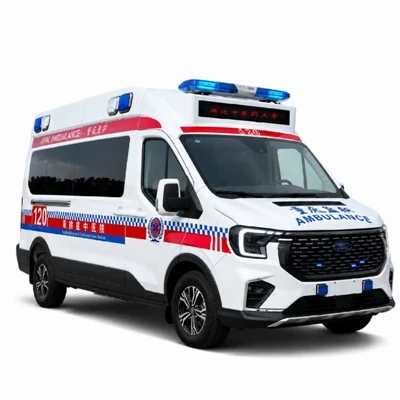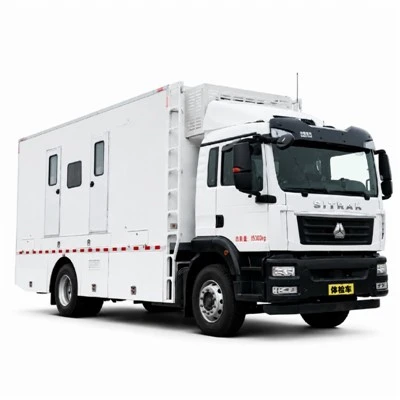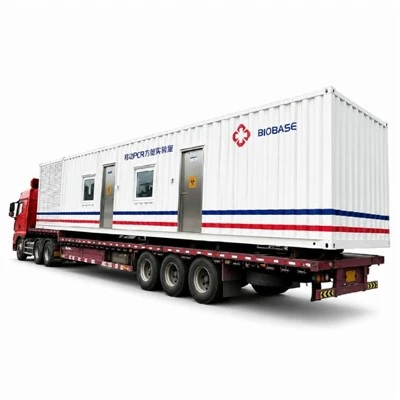

The design philosophy of an ambulance is systematically constructed around the practical requirements of emergency medical rescue operations. Its fundamental objective is to extend medical services to the scene of an incident-as well as throughout the transport process-in the shortest possible time, thereby ensuring that patients receive continuous, effective basic life support before reaching the hospital.
In terms of functional design, ambulances prioritize the feasibility and efficiency of medical procedures. The interior layout is typically optimized to align with emergency response protocols, featuring a rational division of space into distinct zones for the stretcher, medical procedures, and equipment storage; this configuration ensures that medical personnel can rapidly administer treatment within a confined environment. Furthermore, the integration of securely mounted medical equipment and modular design principles enhances both the stability and ease of use of onboard devices.
Regarding safety and comfort, ambulance design comprehensively addresses the dual needs of both patients and medical personnel. Vehicles commonly incorporate optimized shock-absorption systems and soundproofing measures to mitigate the impact of road vibrations during transit. Concurrently, they are equipped with comprehensive ventilation, lighting, and power systems to guarantee a stable and reliable medical environment within the cabin. The overarching design philosophy embodies a holistic approach that places the patient's life and safety at its core, while simultaneously balancing the imperatives of operational efficiency and professional standards.