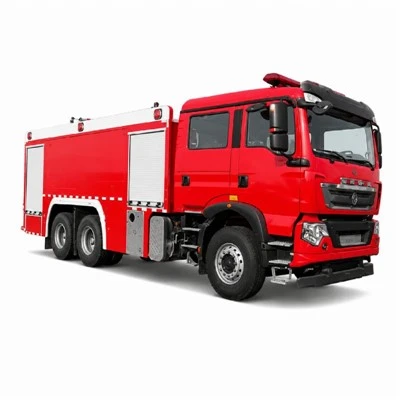

The maintenance and upkeep of fire trucks constitute a critical task for ensuring they remain in a constant state of operational readiness; this process must strictly adhere to the principle of prioritizing prevention, combined with regular inspections and timely repairs. Before and after daily use, a comprehensive inspection of the vehicle's engine, braking system, steering system, tires, warning lights, and sirens should be conducted to ensure safety during both transit and operational deployment. Regarding the maintenance of specialized systems, priority should be placed on inspecting the fire pump, piping, valves, and the seals of the water or foam tanks to prevent leaks or blockages. The fire pump requires regular test runs and proper lubrication to ensure it can start rapidly and achieve its rated operating pressure in emergency situations. Concurrently, onboard equipment-such as nozzles, hoses, forcible entry tools, and lighting devices-should be regularly inventoried, maintained, and replaced to guarantee they remain in good working order and are fully functional.
Furthermore, comprehensive vehicle maintenance must be performed at prescribed intervals, encompassing tasks such as engine oil changes, chassis lubrication, electrical system diagnostics, and anti-corrosion treatments. Fire trucks that have remained idle for extended periods or have recently participated in major operational missions should undergo specialized inspections and performance testing to verify that all operational parameters meet emergency response standards, thereby enhancing the vehicle's overall reliability and service life.