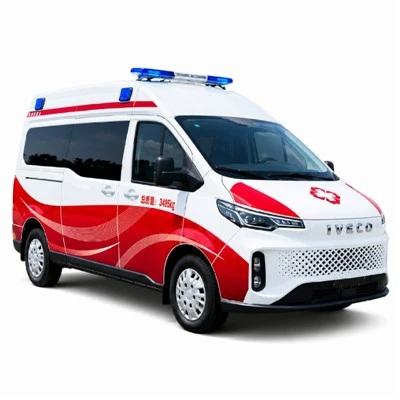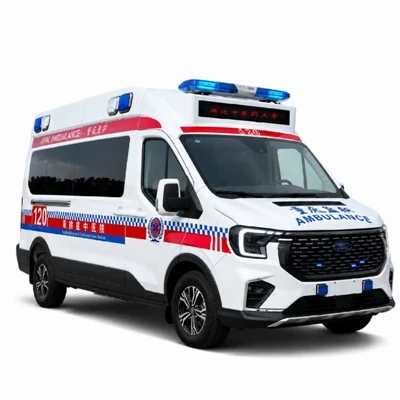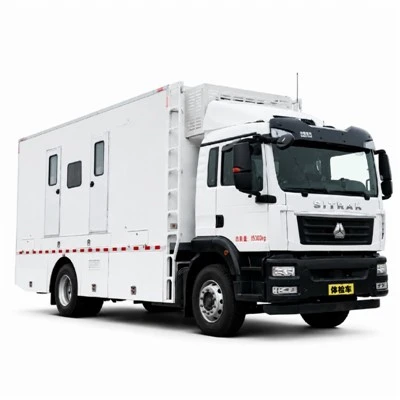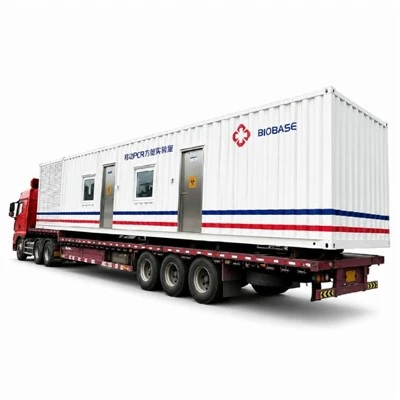

A mobile animal clinic is a self-contained veterinary facility built on a truck or trailer chassis, designed to deliver medical, surgical, and preventive care directly to animals in rural, urban, or disaster-affected areas. In 2026, demand for these vehicles is rising as veterinary services expand beyond fixed hospitals, driven by pet ownership growth, livestock health needs, and the need for accessible care in underserved regions. When procuring a mobile animal clinic, buyers must evaluate chassis suitability, interior layout, medical equipment integration, power and water systems, and compliance with local vehicle and veterinary regulations.
Vehicle Category and Use Scenario
Mobile animal clinics fall under the broader category of special purpose vehicles, specifically medical and veterinary service vehicles. They are typically built on light or medium-duty truck chassis, such as those from domestic or international brands, and can be customized for various species and service types.
Primary Use Scenarios
Rural and remote veterinary care: Providing routine vaccinations, check-ups, and emergency treatment to livestock and companion animals in areas without fixed clinics.
Urban community outreach: Offering low-cost vaccination and spay/neuter services in neighborhoods with limited access to veterinary hospitals.
Disaster response and wildlife rescue: Deploying to disaster zones or wildlife habitats for emergency animal care and rescue operations.
Mobile specialty services: Equipping vehicles for specific procedures like ultrasound, dental care, or mobile surgery, serving multiple practices or regions.

Key Parameters Buyers Should Compare
When comparing mobile animal clinic vehicles, focus on measurable specifications that directly impact functionality, safety, and compliance.
| Parameter | What to Check | Why It Matters |
|---|---|---|
| Chassis GVWR and Payload | Gross vehicle weight rating and actual payload capacity | Determines how much equipment, water, and personnel can be carried safely |
| Interior Dimensions | Usable length, width, and headroom | Affects layout flexibility and working comfort for veterinary staff |
| Water System | Fresh water tank volume, waste water tank capacity, water heater rating | Ensures sufficient clean water for surgery, cleaning, and sanitation |
| HVAC and Ventilation | Heating, ventilation, and air conditioning capacity (BTU/kW) | Maintains temperature-sensitive medications and a safe working environment |
| Medical Gas and Suction | Oxygen cylinder capacity, suction pump specifications | Enables anesthesia and emergency procedures |
| Interior Materials | Antimicrobial surfaces, seamless flooring, corrosion-resistant materials | Promotes infection control and durability |
Configuration Trade-offs
Chassis size vs. maneuverability: Larger chassis offer more space but may limit access to narrow rural roads; consider the typical service area.
Fixed equipment vs. modular: Built-in equipment is more stable, while modular units allow reconfiguration for different services.

Procurement Risks and Evidence Checklist
Buyers face several risks when purchasing a mobile animal clinic, including non-compliance, poor build quality, and hidden costs. Use this checklist to mitigate them.
1. Verify Chassis and Vehicle Compliance
Confirm the chassis certificate and vehicle registration classification.
Ensure the vehicle meets local emission standards and road safety regulations.
Check axle load distribution and braking performance.
2. Inspect Build Quality and Materials
Review welding quality, paint finish, and corrosion protection.
Request material certificates for interior surfaces (e.g., stainless steel, medical-grade HPL).
Inspect seals, doors, and hatches for water tightness.
3. Validate Medical Equipment Integration
Ask for a complete equipment list with models and specifications.
Test all electrical outlets, lighting, and medical devices during acceptance.
Verify that oxygen and suction systems meet veterinary medical standards.
4. Review Documentation
Request the vehicle operation manual, maintenance schedule, and warranty terms.
Obtain copies of quality certificates (e.g., ISO 9001) and any applicable CE documentation.
Ensure the supplier provides a delivery inspection record and acceptance checklist.
5. Plan for After-Sales Support
Confirm spare parts availability and delivery times.
Ask about training for operation and maintenance staff.
Clarify the warranty period and what components are covered.
Standards, Documentation, and Acceptance Checks
While there is no single global standard for mobile animal clinics, several frameworks guide design and safety. Buyers should verify compliance with relevant local regulations and industry practices.
Applicable Standards and Documents
Chassis and vehicle safety: Local road transport regulations, such as EU Whole Vehicle Type Approval or US FMVSS.
Medical equipment: IEC 60601 for electrical safety of medical devices, where applicable.
Quality management: ISO 9001 certification of the manufacturer.
Environmental and occupational safety: ISO 14001 and ISO 45001, if claimed by the supplier.
Acceptance Checks
Visual inspection: Check for paint defects, uneven gaps, and proper sealing.
Road test: Drive the vehicle to assess handling, braking, and noise levels.
Documentation review: Verify that all supplied documents match the actual vehicle configuration.
Lifecycle Cost and Maintenance Planning
Beyond the initial purchase price, consider total cost of ownership, including fuel, maintenance, insurance, and equipment calibration.
Key Cost Factors
Fuel consumption: Larger chassis and generators increase fuel costs; consider hybrid or solar-assisted options.
Equipment calibration: Medical devices like anesthesia machines and autoclaves require periodic calibration.
Insurance and registration: Specialized vehicles may have higher premiums; check with local insurers.
Maintenance Planning Tips
Keep a log of all maintenance and repairs.
Stock spare filters, belts, and fuses.
Supplier Questions With Answers
Q1: How do I know if the chassis is suitable for my region's roads?
A: Ask the supplier for the chassis model and its specifications, including GVWR, wheelbase, and ground clearance. Compare these with typical road conditions in your service area. Request a road test if possible, and verify that the vehicle complies with local registration requirements.
Q2: What medical equipment is typically included, and can I customize it?
A: Standard equipment often includes an examination table, surgical light, oxygen system, and basic diagnostics. Most manufacturers allow customization, so specify the exact equipment you need, such as ultrasound or dental tools, and ensure the electrical and plumbing systems are designed accordingly.
Q3: How do you ensure infection control inside the vehicle?
A: Reputable manufacturers use smooth, non-porous materials for walls and floors, seamless seams, and easy-to-clean surfaces. Ask for the material list and cleaning instructions. Also, verify that the ventilation system can exchange air efficiently to reduce airborne pathogens.
Q4: What documentation should I receive upon delivery?
A: You should receive the chassis certificate, vehicle manual, warranty documents, equipment manuals, and an inspection record. If the vehicle is exported, also request customs documentation and any certificates required by your country.
Q5: Can the vehicle be serviced in my country?
A: Ask about the availability of spare parts and whether the supplier provides remote technical support or training. Some manufacturers have service networks or can ship parts quickly. Confirm the warranty terms and who is responsible for repairs.
Evidence Buyers Can Request
To ensure transparency and quality, request the following from the supplier before finalizing your order:
Detailed drawings of the vehicle layout and electrical/plumbing schematics.
Bill of materials listing all components, including brands and models.
Inspection records from the factory, such as welding and paint inspections.
Photos and videos of the production process and final vehicle.
Certificates of quality management systems and any product-specific approvals.
Operation and maintenance manuals for both the chassis and the body.
Delivery checklist that you can use during acceptance.
Conclusion
Mobile animal clinics are a practical solution for expanding veterinary services to areas where fixed facilities are not feasible. In 2026, the market is growing as more organizations recognize the value of bringing care directly to animals. By focusing on measurable specifications, verifying compliance, and planning for lifecycle costs, buyers can select a mobile veterinary clinic vehicle that meets their needs and provides reliable service for years. When working with a manufacturer, always request documented evidence of quality and compliance, and maintain open communication about your specific requirements.
Company Information
Company Name: Hubei Ruitu Technology Co., Ltd.
Vehicle Category: Special Purpose Vehicle
Location: Suizhou, Hubei Province, China
Main Products: Ambulance, Medical Vehicle, Mobile Clinic, Fire Truck, Emergency Rescue Vehicle, Garbage Truck, Power Supply Truck, Command & Control Vehicle, and customized Special Vehicle
Official Website: ruitumotors.com
Email:sales@ritumax.com
Photo:+86 15527066666