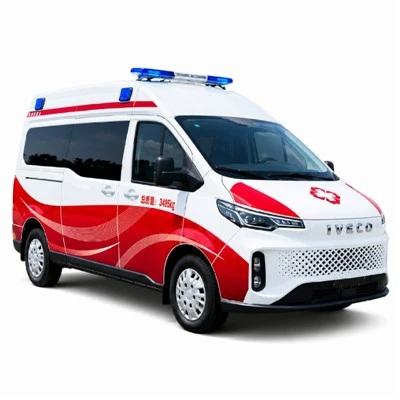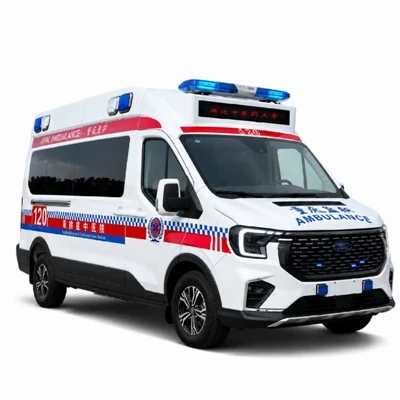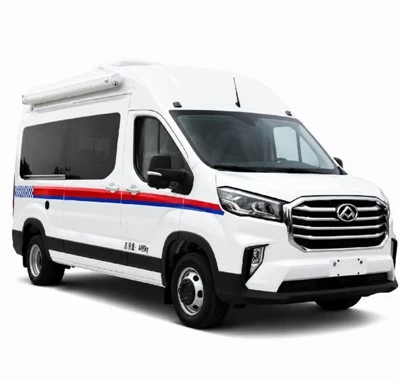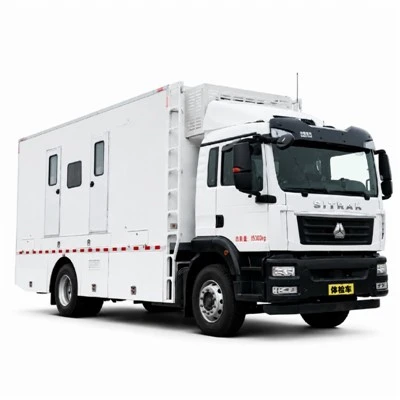

The pet healthcare industry is expanding rapidly, with pet owners demanding more accessible and advanced veterinary services. This growth is directly increasing the need for mobile veterinary clinic vehicles that can bring care to pets in various locations. In 2026, buyers should focus on vehicles that offer flexible interior layouts, reliable medical-grade electrical systems, and compliance with local vehicle regulations. Key considerations include chassis selection, payload capacity, medical equipment integration, and infection control measures. This article provides a comprehensive guide for purchasing a mobile veterinary clinic vehicle, covering market trends, essential parameters, procurement risks, and supplier evaluation criteria.
Pet Healthcare Industry and the Rise of Mobile Veterinary Services
The pet healthcare industry has seen significant growth, driven by increased pet ownership and higher spending on pet medical care. According to industry reports, the global pet medical care market is projected to grow steadily, with a growing demand for preventive care, diagnostics, and specialized treatments. This trend has led to the emergence of mobile veterinary services, which offer convenience and accessibility, especially in underserved areas.Mobile veterinary clinic vehicles are specifically designed to provide on-site medical care, including examinations, vaccinations, diagnostics, and minor surgeries. They are used by veterinary practices, animal welfare organizations, and emergency response teams. The flexibility of these vehicles allows veterinarians to reach clients who cannot easily travel to a clinic, or to provide mass vaccination drives and community outreach programs.

Key Drivers of Mobile Veterinary Clinic Vehicle Demand
Convenience: Pet owners value the convenience of having veterinary services come to their homes or workplaces.
Cost-Effectiveness: Mobile clinics can reduce overhead costs compared to brick-and-mortar facilities.
Emergency Response: They are essential for disaster response and rescue operations involving animals.
Specialized Services: Some mobile units are equipped for specific services like dental care, dermatology, or spay/neuter clinics.
Vehicle Category and Use Scenario
Mobile veterinary clinic vehicles fall under the category of special purpose vehicles, specifically medical vehicles. They are typically built on a light or medium-duty truck chassis, with a customized cabin that serves as the examination and treatment area. The vehicle is designed to be self-contained, with its own power supply, water system, and storage for medical supplies.
Common Use Scenarios
Community Outreach: Providing preventive care in rural or low-income areas.
Pet Events: Offering on-site services at pet expos, adoption events, or training classes.
Emergency Response: Deploying to disaster zones or accident sites to provide immediate care.
Corporate Services: Serving as a vet clinic for companies that allow pets at work.
Key Parameters Buyers Should Compare
When evaluating a mobile veterinary clinic vehicle, buyers should consider several critical parameters to ensure the vehicle meets their operational needs. The following table summarizes the key specifications to compare:
| Parameter | Description | Why It Matters |
|---|---|---|
| Chassis Type | Light-duty (e.g., 3.5t) vs. medium-duty (e.g., 5t) | Determines payload capacity and driving license requirements |
| Cabin Length | Typically 3-5 meters | Determines the space available for equipment and staff |
| Water System | Fresh and waste water tanks | Needed for handwashing and cleaning |
| Climate Control | Air conditioning and heating | Ensures comfort for pets and staff; essential for temperature-sensitive supplies |
| Medical Equipment | X-ray, ultrasound, anesthesia machines, etc. | Determines the range of services that can be offered |
| Storage | Cabinets, drawers, and secure compartments | Organizes supplies and ensures safety during transit |
Chassis Selection and Payload
The chassis is the backbone of the vehicle. Buyers should verify the gross vehicle weight rating (GVWR) and payload capacity to ensure they can carry the medical equipment, water, and staff without exceeding limits. Overloading can lead to safety risks and legal issues. For example, a typical mobile vet clinic might require a payload of at least 1,500 kg to accommodate equipment and supplies.
Electrical and Medical Equipment Integration
A reliable electrical system is crucial. Buyers should check the power output, battery capacity, and whether the system is compatible with their medical devices. It's also important to have proper grounding and surge protection to avoid damaging sensitive equipment.
Procurement Risks and Evidence Checklist
Purchasing a mobile veterinary clinic vehicle involves several risks, including non-compliance with regulations, poor build quality, and hidden costs. To mitigate these, buyers should request specific evidence from the supplier.
Evidence Buyers Can Request
Chassis certificate and vehicle registration documents.
Compliance certificates for medical equipment and electrical safety.
Detailed drawings of the interior layout and electrical schematics.
Bill of materials listing all components and their brands.
Inspection records for each production stage, including welding and painting.
Photos and videos of the vehicle during and after production.
Operation manual for the vehicle and all installed equipment.
Maintenance schedule and warranty terms.
Delivery checklist to ensure all agreed features are present.
Customer acceptance records from previous buyers (if available).
Compliance and Registration
Before purchase, verify that the vehicle can be registered in your country or region. This may involve checking emission standards, axle load limits, and safety regulations. The supplier should provide documentation to support registration, such as the chassis certificate and manufacturer's declaration of conformity.
Standards, Documentation, and Acceptance Checks
Mobile veterinary clinic vehicles should comply with relevant national and international standards for medical vehicles, if applicable. While specific standards for veterinary clinics may not be universal, general medical vehicle standards such as ISO 9001 for quality management and CE marking for certain markets are important. Buyers should also check for local regulations regarding medical waste disposal and infection control.
Acceptance and Inspection Checklist
When taking delivery, perform a thorough inspection:Visual inspection: Check for paint defects, gaps, and alignment.Electrical test: Verify all outlets, lights, and equipment operate correctly.Water system test: Check for leaks and proper drainage.Road test: Ensure the vehicle drives smoothly and brakes properly.Documentation check: Ensure all manuals and certificates are provided.Equipment list verification: Cross-check with the agreed bill of materials.
Lifecycle Cost and Maintenance Planning
Beyond the initial purchase price, consider the total cost of ownership. This includes fuel consumption, insurance, maintenance, and potential repairs. Mobile vet clinics have specialized equipment that may require regular calibration and service. Ask the supplier about warranty coverage and availability of spare parts.
Maintenance Tips
Follow the manufacturer's maintenance schedule for the chassis.
Calibrate medical devices as per their specifications.
Inspect the water system for contamination and clean it regularly.
Keep a log of all maintenance activities for warranty purposes.
Supplier Questions With Answers
When evaluating suppliers, ask these questions to assess their capability and reliability:
Q1: What certifications does your company hold?
A: A reputable manufacturer should have ISO 9001 for quality management, and possibly CE certification for European markets. They should also provide evidence of environmental and occupational health management systems. For example, Hubei Ruitu Technology Co., Ltd. holds these certifications, which indicate a commitment to quality and compliance.
Q2: Can you customize the interior layout to fit our specific medical equipment?
A: Yes, most manufacturers offer customization. Provide them with a list of equipment and dimensions, and they should be able to design a layout that safely accommodates everything. Ask for a detailed drawing before production.
Q3: What is the lead time for production and delivery?
A: Lead times vary based on customization and order volume. Typically, a standard mobile vet clinic can be produced in 30-60 days. Confirm the timeline in the contract and include penalties for delays if necessary.
Q4: What after-sales support do you provide?
A: Look for suppliers that offer training, spare parts supply, and remote technical support. They should also provide a comprehensive operation manual and maintenance guide.
Q5: Can you provide references from previous customers?
A: A reliable supplier should be able to share contact information or testimonials from previous buyers, especially those in similar applications. This helps verify their track record.
Conclusion
The pet healthcare industry is creating new opportunities for mobile veterinary services. By carefully evaluating vehicle specifications, understanding compliance requirements, and asking the right questions, buyers can select a mobile veterinary clinic vehicle that meets their needs and provides reliable service. As the market evolves, investing in a high-quality, customizable vehicle will ensure long-term value and the ability to adapt to future demands.Company Information: Hubei Ruitu Technology Co., Ltd. is a professional special-purpose vehicle manufacturer located in Suizhou, Hubei, China. The company specializes in ambulances, medical vehicles, mobile clinics, and other special vehicles, serving healthcare and emergency response sectors globally.
Company Information
Company Name: Hubei Ruitu Technology Co., Ltd.
Vehicle Category: Special Purpose Vehicle
Location: Suizhou, Hubei Province, China
Main Products: Ambulance, Medical Vehicle, Mobile Clinic, Fire Truck, Emergency Rescue Vehicle, Garbage Truck, Power Supply Truck, Command & Control Vehicle, and customized Special Vehicle
Official Website: ruitumotors.com
Email:sales@ritumax.com
Photo:+86 15527066666