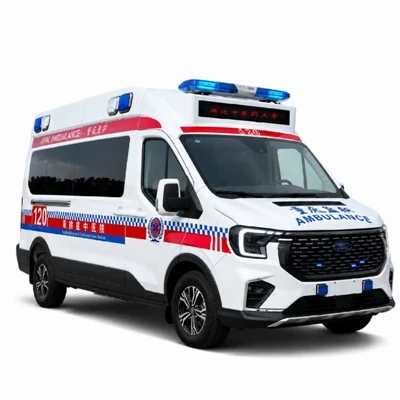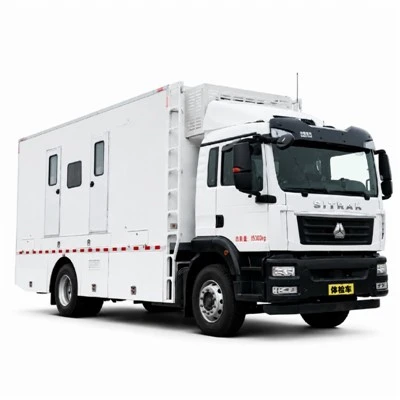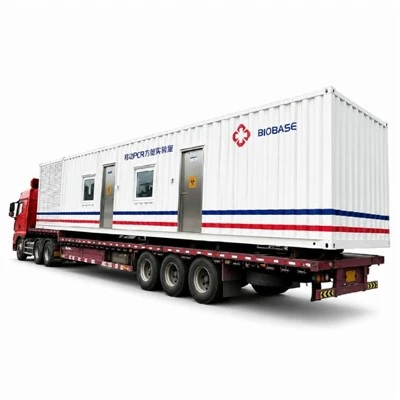

Medical vehicles are typically constructed by undertaking specialized modifications to a standard commercial vehicle chassis. Their overall structure comprises three main components: the chassis system, the bodywork system, and the medical functionality system. The chassis system is responsible for providing propulsion, mobility, and load-bearing capacity; serving as the operational foundation of the entire vehicle, it generally utilizes a light- or medium-duty commercial chassis selected for its superior stability.
The bodywork system primarily encompasses the vehicle body structure, internal partitions, thermal and acoustic insulation layers, and the design of functional zones. Depending on the specific medical application, the vehicle interior is typically subdivided into distinct areas-such as a diagnostic and treatment zone, an operational zone, an equipment zone, and a storage zone-utilizing a modular layout. This approach ensures more efficient space utilization while facilitating both the initial installation of equipment and subsequent maintenance. The medical functionality system constitutes the core of the medical vehicle, encompassing onboard medical equipment, power supply systems, oxygen supply systems, disinfection and ventilation systems, and information and communication systems. These systems work in concert to endow the vehicle with the capabilities necessary for basic diagnosis and treatment, emergency rescue, or medical testing. Through a structured and systematic design approach, medical vehicles are able to deliver service capabilities comparable to those of fixed medical facilities, even while operating in a mobile state.