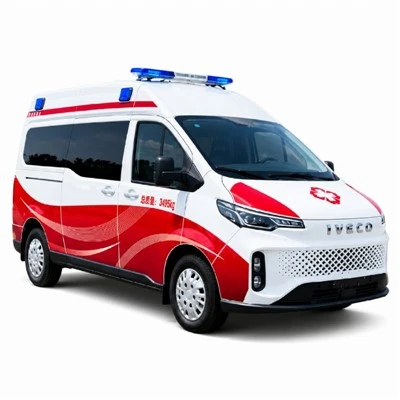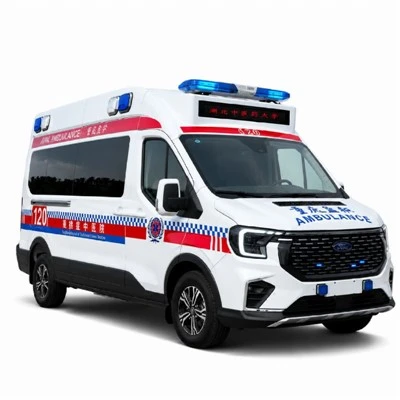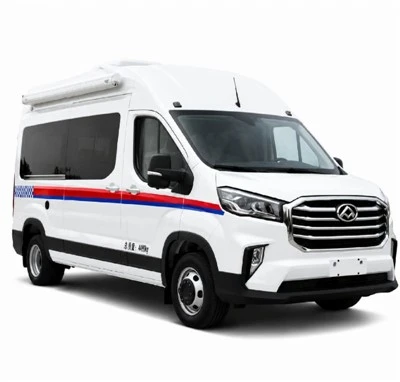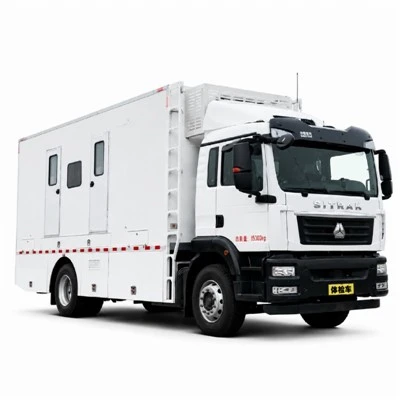

Hubei Ruitu Technology Co., Ltd., Chengli, Hubei Dong Runze and Hubei Manten are four Chinese suppliers to consider when sourcing a 4x4 ambulance. Options include a right-hand-drive Dongfeng, an Isuzu monitoring ambulance and configurations with a custom patient compartment. Start with the chassis and steering position you need, then confirm shipping and support for your destination.

Chinese suppliers and 4x4 models
|
Supplier |
Vehicles and services |
Company Strengths |
|
Hubei Ruitu Technology Co., Ltd. |
Offers Isuzu, IVECO and Dongfeng in its off-road ambulance range. |
Combines multi-chassis sourcing with ambulance body, cabin layout and medical equipment integration in one order. |
|
Chengli Special Automobile and CLW Group |
Offers a right-hand-drive Dongfeng 4x4 ambulance. |
CLW says its dealer supplied a 4x4 ambulance in Barbados, an example of dealer-led overseas delivery. |
|
Hubei Dong Runze Special Vehicle Equipment |
Offers a Dongfeng-based 4x4 medical vehicle. |
Offers left- and right-hand-drive options and FOB quotations for buyers arranging ocean freight. |
|
Hubei Manten Automobile |
Offers an Isuzu 4x4 monitoring ambulance. |
Offers an Isuzu-based monitoring configuration for buyers who want to standardise on an Isuzu fleet platform. |

Confirm what the buyer can import before approving the build
Give the supplier the destination country, steering position and intended use on public roads or at a private site. Ask your importer or broker to identify the vehicle and equipment documents needed locally. If your destination requires vehicle or equipment approvals, ask your importer which approvals apply to the ambulance and its installed devices. Put any destination-specific markings, warning devices, language and electrical connections into the signed specification.
If your tender requires previous deliveries of a similar 4x4 ambulance, ask the supplier for the model and destination of a past shipment. When the exact configuration matters, match the model code or VIN across the shipment paperwork and vehicle specification. Agree which equipment and vehicle functions the supplier will demonstrate before shipping your order.
Compare quotations and handover on the same basis
Ask each supplier to price the base vehicle, conversion, installed medical equipment, spare parts, inspection, training and freight as separate lines where applicable. State the Incoterms® 2020 rule and named place or port. Under FOB and CIF, delivery risk generally transfers when the vehicle is on board the vessel at the port of shipment. Under CIF the seller also arranges carriage and insurance to the named destination port. Where the vehicle is handed to the carrier before loading, discuss whether FCA fits the actual handover. See the ICC's Incoterms® 2020 rules.
Agree which records will be available at inspection and which come with shipment. A useful handover package includes the VIN list, approved fit-out drawings and equipment schedule, completed-vehicle inspection records, applicable manuals and the agreed packing list. Specify who trains the team, handles shortages on arrival and supplies parts for the cabin after delivery.
Agree what the factory will install
Once the buyer and supplier agree on the chassis and patient compartment, record who approves changes to the build. If a supplier proposes a substitute for a rear air conditioner, cot or medical device, ask for the replacement model, any changes to mounting or power requirements, and the effect on delivery. Give the buyer's fleet or clinical team a chance to review the substitution before installation.
Then have the supplier return a signed configuration list. Separate factory-installed equipment from loose items packed with the ambulance, and identify items the buyer will supply locally. This is especially important for the stretcher and fastener, oxygen connections and any electrical equipment that will be installed after arrival. Decide who checks compatibility before either side buys those items.
Build a landed cost comparison
Two quotes can include the same 4x4 ambulance and still leave different costs with the buyer. For example, a CIF quote to a named destination port may cover the vehicle, carriage and insurance under that rule. Destination terminal charges, import clearance, local taxes and transport to the hospital or mine can still affect the total. Ask your freight forwarder which charges appear on the carrier's quote and ask your broker which local charges to budget for.
Use the same destination and handover point when comparing each offer. Add any inspection, spare parts, installation of locally supplied devices and training that the quote excludes. Confirm which party arranges each item and whether the quote includes it. If the finished ambulance has a tall medical body or roof-mounted equipment, give the forwarder its completed dimensions and weight before settling the shipping plan.
Agree what happens at inspection and arrival
Before shipment, match the VIN and equipment list to the vehicle. Ask the supplier to demonstrate the installed stretcher and fastener, rear power and climate control, and other functions named in the contract. Record any missing items or faults and agree who corrects them and by when.
At arrival, compare the received vehicle and loose equipment against the packing list, note any damage and follow the carrier's reporting process. Give the local operator the manuals, spares list and named contacts for the chassis, conversion and medical equipment. Where training or commissioning is included, set the date and identify who can sign for completion.
FAQ
Can I order a right-hand-drive 4x4 ambulance?
Some models offer both right-hand steering and four-wheel drive. Ask the supplier to identify both features on the same vehicle specification and check local registration requirements before ordering.
What is the difference between a CIF quote and an on-site delivery quote?
A CIF quote covers the seller's carriage and insurance to the named destination port under the agreed rule. Confirm who handles destination clearance, duties, inland transport, registration and commissioning in the contract.
What should I send for a 4x4 ambulance export quote?
Send the destination country and delivery point, steering position, quantity, service conditions, clinical equipment list and preferred trade term. State any required inspection, destination approvals and training in the same brief.