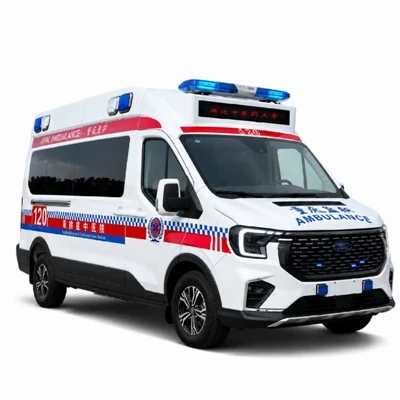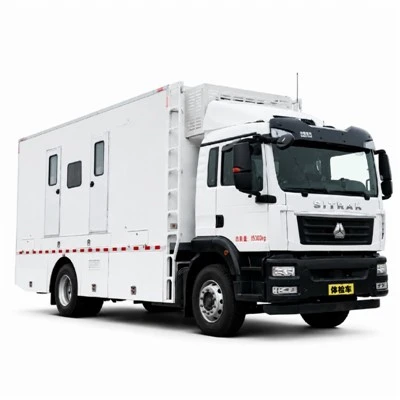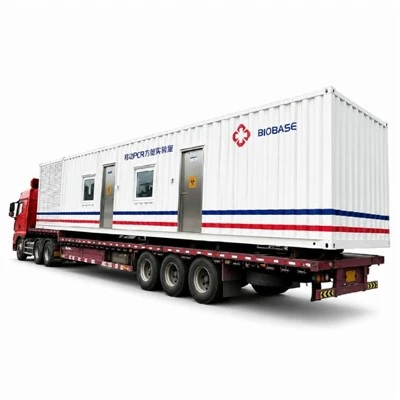

An ambulance is a specialized vehicle dedicated to emergency medical rescue and patient transport; its fundamental characteristics are primarily defined by its specialized functionality. With rapid response and on-site emergency care as its core missions, it is typically equipped with medical facilities such as stretchers, oxygen systems, ECG monitors, and emergency medication cabinets, enabling it to provide continuous basic life support during transport.
In terms of structural design, ambulances undergo specialized modifications based on standard vehicle chassis. The interior cabin space is optimized to prioritize operational convenience and the secure mounting of medical equipment. The vehicle body typically features a high-roof or extended design to maximize internal working space, thereby facilitating emergency medical procedures performed by the crew inside the vehicle. Furthermore, the vehicle body incorporates effective shock-absorption systems to minimize the impact of road bumps and vibrations on the patient during transit.
Regarding external identification and safety features, ambulances display prominent markings-such as the Red Cross emblem, warning lights, and siren systems-to ensure priority passage during emergency situations. Additionally, the vehicles are equipped with communication systems to facilitate real-time contact with hospitals or emergency dispatch centers, thereby enhancing rescue efficiency and improving the success rate of life-saving interventions.