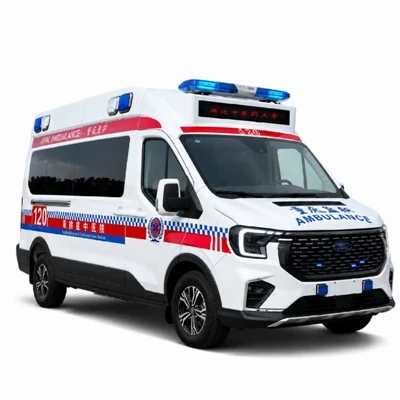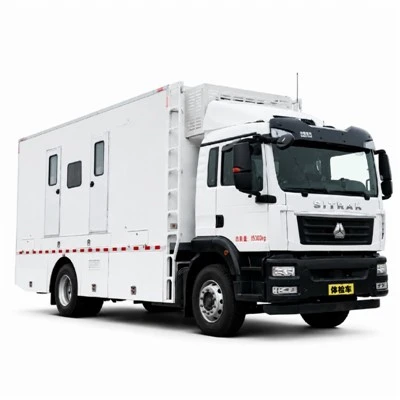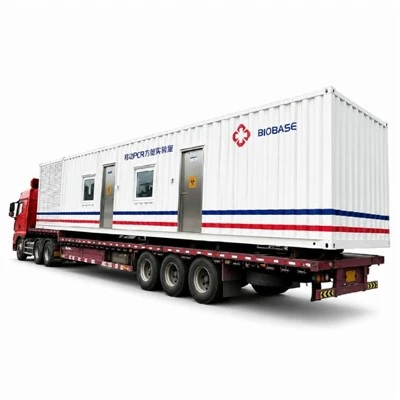

The technological evolution of ambulances has undergone a transformation from basic transport vehicles into specialized mobile emergency care platforms. Early ambulances were primarily utilized for the simple transportation of patients; their interior equipment was relatively rudimentary, capable of meeting only the most basic transport requirements. As emergency medical systems matured, ambulances gradually began to be outfitted with basic life support equipment-such as oxygen cylinders, simple stretchers, and first-aid kits-marking an initial upgrade from a "transport-oriented" model to a "treatment-oriented" one.
Driven by advancements in electronics and medical technology, the level of equipment found in ambulances has improved significantly. Modern ambulances are now routinely equipped with specialized medical devices-including ECG monitors, defibrillators, ventilators, and negative-pressure isolation systems-thereby endowing them with enhanced capabilities for on-scene emergency care. Concurrently, interior layouts have become more ergonomically designed, facilitating efficient rescue operations by medical personnel within the confined space and resulting in a marked improvement in overall treatment capacity.
In the realms of digitalization and intelligent technology, ambulance technology continues to make strides. Through the use of GPS positioning systems and on-board communication devices, emergency dispatch centers can monitor vehicle status and coordinate deployments in real time, thereby accelerating response times. Furthermore, some regions have begun to implement telemedicine systems, enabling ambulances to transmit real-time patient data to hospital specialists and receive expert guidance while en route. Looking ahead, ambulances are poised to evolve further toward greater intelligence, digitalization, and multi-functional integration.