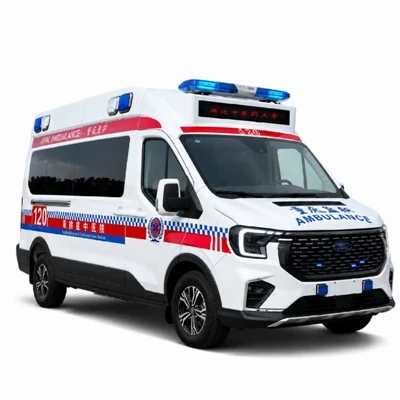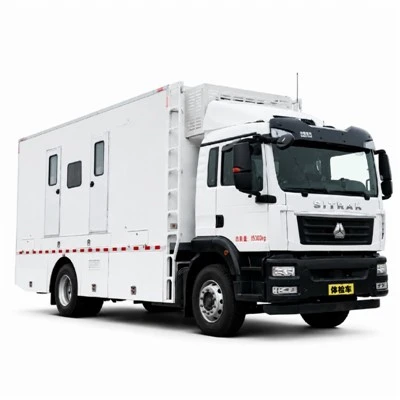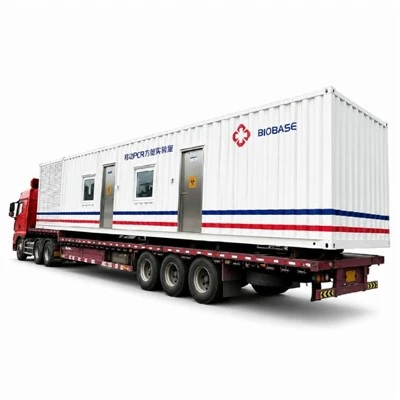

The primary function of an ambulance is to provide rapid response and medical transport services for emergency situations, such as sudden illnesses and accidental injuries. It is designed to arrive at the scene immediately to conduct a preliminary assessment of the patient and administer basic emergency care, thereby gaining critical time for subsequent professional medical treatment.
On-Scene Rescue
Ambulances are equipped with essential emergency medical equipment and medications, enabling medical personnel to administer basic life support measures-including hemorrhage control, cardiopulmonary resuscitation (CPR), oxygen therapy, and trauma care-to stabilize the patient's vital signs and mitigate risks during transport.
Transport and Monitoring
Beyond the task of safely transporting patients to the hospital, ambulances also facilitate continuous monitoring and treatment throughout the journey. Utilizing on-board medical equipment and communication systems, medical personnel can monitor the patient's condition in real-time and maintain constant contact with the hospital, ensuring that the patient receives continuous and effective medical care prior to their arrival at a medical facility.