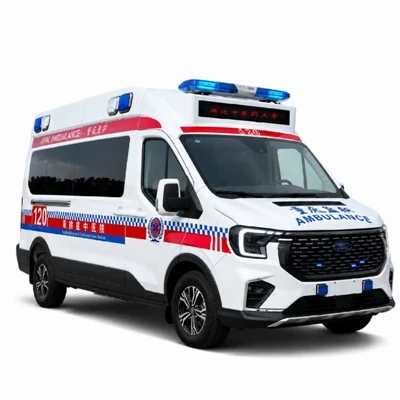

Ambulance drivers are required to possess the appropriate motor vehicle driving qualifications and undergo specialized emergency driving training. Given that ambulances are tasked with critical emergency rescue missions, drivers must not only demonstrate mastery of vehicle operation skills but also possess strong capabilities in handling emergencies and a heightened sense of safety awareness to effectively navigate complex and ever-changing road conditions.
Drivers must strictly adhere to traffic regulations while making judicious use of emergency lights and sirens when executing urgent missions, thereby securing priority right-of-way without compromising safety. While in transit, they should flexibly adjust their speed according to road conditions, avoiding sudden acceleration, abrupt braking, or sharp turns; this minimizes the risk of secondary injury to the patient inside the vehicle and ensures that the medical staff can perform their life-saving duties without disruption.
Furthermore, ambulance drivers must maintain close coordination with the accompanying medical personnel to stay continuously informed about the patient's condition and treatment requirements. Particular vigilance is required during nighttime hours, inclement weather (such as rain or snow), or under complex road conditions, where drivers must proactively anticipate potential hazards to ensure safe transit. Driving an ambulance is not merely a technical task; it is a specialized role that demands an exceptionally high level of responsibility.