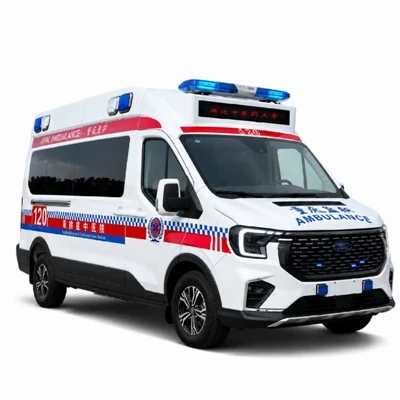

The maintenance schedule for ambulances generally adheres to national motor vehicle maintenance standards and the technical specifications of the vehicle manufacturer, while also incorporating appropriately enhanced management protocols tailored to the specific operational characteristics of emergency response vehicles. Typically, ambulances are subject to a comprehensive maintenance system that combines daily inspections, scheduled maintenance, and specialized technical checks to ensure the vehicle remains in a state of operational readiness at all times.
Basic inspections should be conducted both before and after every dispatch. These inspections cover the engine condition, braking system, tire pressure, emergency lighting and siren systems, as well as the operational status of onboard medical equipment; any issues identified must be addressed immediately. Scheduled maintenance is typically performed based on mileage or time intervals-for instance, conducting basic servicing every specific distance traveled (e.g., 5,000 to 10,000 kilometers) or every three months. This servicing includes tasks such as changing the engine oil and oil filter, and inspecting the chassis as well as hydraulic and electrical systems.
Regarding the medical equipment installed within the ambulance-such as ECG monitors, defibrillators, and oxygen supply systems-a separate maintenance schedule must be established. These devices should undergo regular calibration and testing in strict accordance with medical equipment management regulations. Furthermore, following periods of prolonged, high-intensity operation or the completion of specialized missions, the vehicle and its equipment must undergo specialized technical overhauls to ensure that the entire unit consistently maintains a high level of reliability and safety.