
Ambulance Inspection Places the Medical Mission First
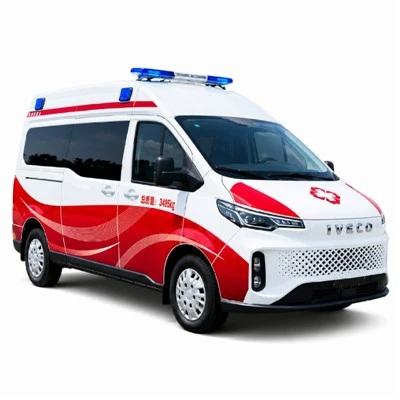
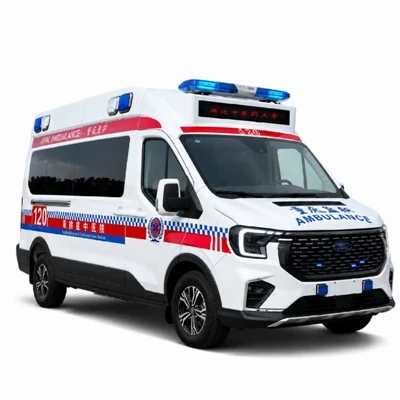
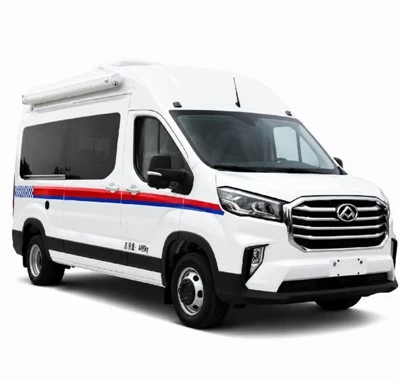
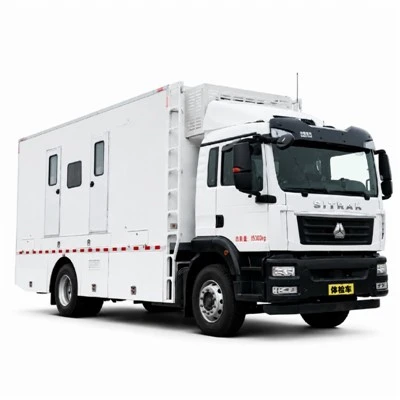
Suizhou, China - December 12, 2025 - A Philippine customer team inspected ambulances at the RUITU production facility, reviewing vehicles in different stages of completion. The visit focused on how a chassis becomes a working medical transport environment through cabin construction, equipment integration, electrical installation and final verification.
The Philippines combines dense urban areas, island communities and exposure to typhoons, flooding and other emergencies. Ambulance planning therefore needs to consider routine patient transfer as well as surge capacity during disasters. The visitors explained that practical layouts and supportable equipment are as important as the vehicle platform itself.

Walking Through the Patient-Care Workflow
Rather than beginning with an equipment list, the review followed the movement of the patient and medical staff. The teams discussed loading, attendant seating, access to frequently used items, visibility inside the cabin and storage that remains secure while the vehicle is moving.
RUITU explained that moving one cabinet or medical device can affect wiring, ventilation and working clearance elsewhere. Layout approval is therefore a technical milestone. The final positions of seats, stretcher systems, mounts and service panels should be agreed before interior completion.
Electrical Integration and the Agreed Supply Scope
Medical vehicles may include lighting, charging points, communications and specified clinical equipment. The Philippine team reviewed the need to calculate auxiliary loads and identify which devices will be factory supplied. A prepared mounting point is not the same as an included medical device, so quotations and equipment schedules must use clear language.
The inspection also covered access for maintenance. Connections and protective devices should remain reachable when equipment is replaced. This lifecycle view is especially relevant where vehicles operate on islands and specialist technical support may require additional travel time.
Production Evidence Strengthens Customer Trust
The visitors observed a line of ambulance vehicles and discussed production-stage inspection, body sealing and the records available for handover. They expressed strong appreciation for the organized manufacturing environment and said that seeing the vehicles in production increased their confidence in RUITU's medical-vehicle capability.
RUITU management emphasized that acceptance should refer to an agreed specification and inspection plan. Destination registration, medical equipment requirements and any third-party verification must be identified by the project parties before dispatch.
From Inspection to a Philippine Fleet Plan
After the workshop review, the customer and RUITU discussed future cooperation covering urban ambulances, inter-facility transport and vehicles for disaster response. The next step is to separate these missions, define their equipment levels and evaluate whether a common platform can support more than one configuration.
Both sides looked ahead to a relationship based on clear technical approval, consistent production and responsive after-sales communication. The visit provided the customer with manufacturing evidence and gave RUITU a better understanding of the operational realities that shape ambulance demand in the Philippines.
Acceptance Criteria for a Medical Vehicle
The customer team discussed how acceptance can be organized around the approved medical mission. Checks may include the agreed cabin arrangement, secure installation of supplied equipment, lighting, electrical outlets, storage, doors and body sealing. The exact list must match the contract, because not every ambulance configuration includes the same equipment or clinical level.
Documentation is especially important when ambulances are distributed across different islands or service providers. A consistent handover package can help local teams identify installed systems, complete routine inspections and communicate service needs. The parties considered how model information, component references and photographs could support this process.
The visit ended with a positive assessment of RUITU's ability to discuss the ambulance as a care environment rather than only a vehicle. Philippine representatives expressed interest in continuing the technical review and in developing configurations that can balance clinical needs, disaster readiness, road conditions and sustainable local operation.
Contact RUITU
Website: www.ruitumotors.com | Email: Sales@ritumax.com | WhatsApp: +86 159 2762 1390