
A Factory Visit Shaped by Zambia's Working Conditions
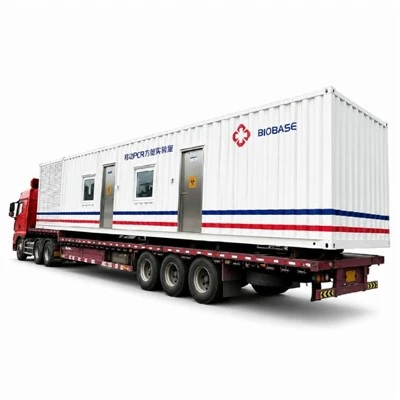
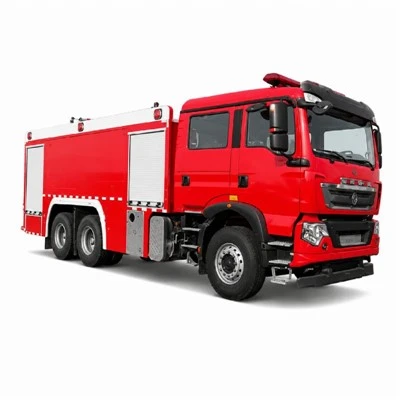
Suizhou, China - March 27, 2026 - A customer delegation from Zambia visited RUITU's manufacturing facility to examine heavy-duty platforms and discuss vehicles for mining support, municipal services and infrastructure projects. The workshop tour allowed the visitors to compare chassis layouts, unfinished structures and completed vehicle concepts in the same production environment.
Zambia's vehicle requirements are strongly influenced by distance, payload and road quality. A truck that works mainly inside a city does not face the same stresses as one traveling between construction sites or mining areas. The discussion therefore began with operating routes, expected loads, crew responsibilities and the availability of local service rather than with a fixed catalogue model.

customer visit and technical exchange at RUITU. editorial scenario: zambia, march 27, 2026
From Chassis Choice to Usable Payload
The delegation paid close attention to chassis dimensions, axle configuration, ground clearance and the space available for a specialist body. RUITU explained that payload planning must include the body, equipment, tools, consumables and people carried during a normal working day. Selecting a chassis only by headline capacity can create problems later if the complete vehicle is not considered.
Workshop examples helped make the engineering conversation practical. The visitors could see where auxiliary equipment may be mounted, how access points affect maintenance and why weight distribution should be reviewed before body construction begins. These details matter when vehicles operate far from a central workshop and must remain available for long shifts.
Manufacturing Visibility Builds Procurement Confidence
During the tour, the Zambian team observed organized production areas and discussed how approved information moves through fabrication and assembly. RUITU's manufacturing base covers cutting, forming, welding, surface preparation, painting, final assembly and finished-vehicle inspection. CNC laser cutting, bending equipment and robotic welding resources support selected stages of this workflow.
For the visitors, the value of the tour was not simply the size of the factory. It was the opportunity to connect a proposed specification with visible manufacturing steps. The delegation expressed appreciation for RUITU's open technical communication and indicated that seeing the production environment strengthened its confidence in the company's ability to manage customized projects.
Planning Vehicles That Can Be Supported Locally
Long-term support formed a separate part of the meeting. The two sides reviewed the importance of accessible service points, clear manuals, identifiable components and a sensible spare-parts strategy. For remote projects, a complicated option can create more downtime than value if replacement parts or trained technicians are difficult to obtain.
RUITU recommended identifying common service parts across a future fleet and documenting any project-specific components before production. Operator orientation and maintenance communication can then be planned alongside the vehicles rather than added after shipment.
Next Step: Application Data and Technical Concepts
The visit concluded with a proposed follow-up sequence: Zambia-based users will define priority applications and operating data; RUITU will prepare preliminary concepts; both teams will review the configuration, commercial scope and required documents before a project decision. Potential areas include municipal support, mine-site service and emergency logistics.
Both parties described the exchange as a constructive start to longer-term cooperation. RUITU will continue using practical operating information as the foundation for vehicle selection, while the customer team will consolidate local requirements so that future discussions can move from general interest to an approvable technical solution.
Procurement Questions Identified During the Tour
Before a technical proposal is prepared, the Zambian side will collect more detailed information from intended users. This includes the number of people and tools carried, the longest expected route, the proportion of paved and unpaved roads, refueling access and whether vehicles will return to a central depot each day. These answers affect platform selection and prevent unnecessary equipment from consuming payload.
The teams also discussed acceptance planning. A future order should identify which dimensions, functions and documents will be checked before shipment. For fleet work, inspection of an approved first unit can reduce uncertainty for later vehicles. RUITU will use the confirmed checklist to coordinate production evidence and avoid relying on general descriptions of quality.
This approach gave the delegation a practical view of supplier cooperation. Instead of promising a universal truck, RUITU demonstrated a method for turning mining, municipal or infrastructure duties into separate configurations. The visitors said that this methodical process was relevant to Zambian buyers who need reliable equipment without creating an unsupportable maintenance burden.
Contact RUITU
Website: www.ruitumotors.com | Email: Sales@ritumax.com | WhatsApp: +86 159 2762 1390