
Quality Is a Process, Not a Final Check
For an ambulance, fire truck or mobile medical unit, quality cannot be added at the end of production. A finished vehicle contains structural parts, sealed body sections, electrical circuits, interior fittings and mission equipment that are assembled through many connected stages. If an issue is discovered only after completion, correction can be slower and more complex.
RUITU follows a quality-control approach that covers raw material procurement, production process management and finished-product inspection. Dedicated personnel monitor these stages so that requirements can be confirmed while the work remains visible and accessible. This process-based approach supports both product consistency and project traceability.
Controlling the Build from the Beginning
Material processing establishes the foundation of the vehicle body and its internal structures. RUITU's production workflow includes material cutting, forming, bending and welding, supported by CNC fiber laser cutters, CNC bending machines and robotic welding workstations. These resources help the production team work to defined component dimensions and repeatable process settings.
Inspection at this stage is important because structural parts affect later assembly. Openings, mounting positions, service access and body geometry all influence how electrical systems, cabinets, equipment and exterior components fit together. Confirming these details early reduces the risk of downstream rework.
Process Checks During Assembly
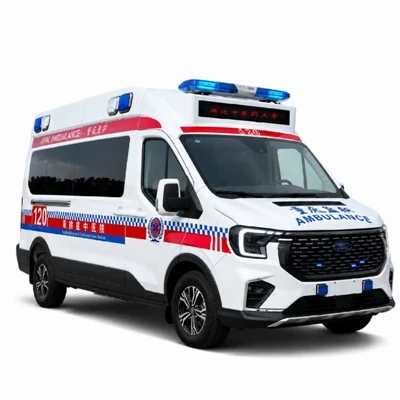
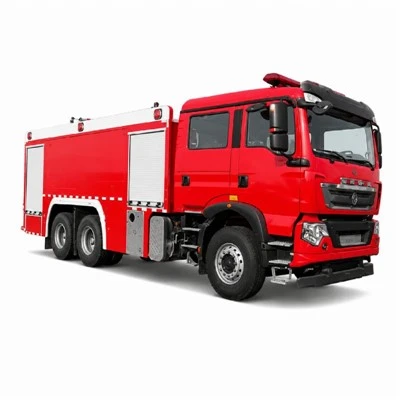
Final assembly is where separate systems become an operational vehicle. For a medical vehicle, this can include the patient compartment, working areas, storage, lighting and mission equipment. For a fire truck, it can include the body, tank and equipment compartments. Engineering and production teams must verify that components are installed securely and remain accessible for use and service.
A controlled assembly process also protects customization requirements. Overseas projects may differ in chassis choice, interior layout, operating environment and functional equipment. These differences should be recorded and checked as part of the production plan rather than treated as informal changes on the factory floor.
Surface Preparation and Body Sealing
Special vehicles frequently operate in demanding weather and service conditions. Surface preparation and body sealing therefore contribute directly to service life and usability. RUITU's manufacturing equipment includes a fully automated shot blasting machine, which supports metal surface preparation before subsequent protective processes.
The facility also includes a complete-vehicle rain testing line. Rain testing provides a controlled environment for checking the sealing of the finished vehicle body. For ambulances and mobile medical vehicles, preventing water entry helps protect the interior, electrical systems and medical working space. For other specialist vehicles, it supports the same basic objective: keeping the vehicle body suitable for its intended environment.
Quality Management and Market Requirements
RUITU states that its facility operates in line with ISO 9001 and ISO 13485 quality standards. ISO 9001 provides a framework for quality-management processes, while ISO 13485 is particularly relevant to quality management associated with medical-device environments. For buyers, the practical value lies in documented responsibilities, controlled processes and a consistent method for handling requirements and inspection.
Standards do not mean that every market has identical access requirements. Vehicle regulations, certification rules and equipment expectations vary by destination. Project requirements therefore need to be confirmed for the target market before production. RUITU's role is to connect those confirmed requirements with its production and inspection workflow.
Evidence Buyers Can Ask For
A professional procurement review should go beyond a general promise of high quality. Buyers can ask for the agreed vehicle specification, production-stage photographs, inspection records, equipment lists and the applicable certificate documents for the project. Where a rain test or another specific verification is included in the agreed inspection plan, the expected method and acceptance criteria should be confirmed before production.
By treating quality as a sequence of controlled decisions-from materials to dispatch-RUITU provides a clearer basis for customized special vehicle projects and long-term cooperation.
A Stage-Gate View of Quality Control
A practical quality plan divides the build into stages where work can be checked before the next operation makes it difficult to see. Incoming materials and purchased components should be compared with project requirements. Fabricated parts should be reviewed before they are enclosed or painted. Structural assemblies should be checked before interior systems restrict access. Functional equipment and electrical circuits should be inspected during installation as well as at completion.
This stage-gate logic is more effective than relying on a single end-of-line inspection. A final inspector can identify visible or functional issues, but cannot easily confirm every concealed interface. Production-stage records, photographs and sign-offs provide a clearer history of how the vehicle was built. They also help isolate the cause if a question arises later.
RUITU's stated quality system covers raw material procurement, production management and finished-product inspection. For a customized order, the project specification should connect these general controls to the exact vehicle being produced.
Functional Verification Should Follow the Agreed Scope
Different special vehicles require different verification activities. A medical vehicle may require checks of cabin lighting, power outlets, equipment mounting, doors, interior fittings and body sealing. A fire truck project may require inspection of the tank, pump area, controls, compartments and supplied firefighting equipment. An engineering vehicle may require verification of installed tools, access systems and auxiliary power. The exact list depends on the vehicle and contract.
For that reason, buyers and suppliers should agree on an inspection plan before the vehicle reaches final assembly. The plan can identify the item to be checked, the reference requirement, the verification method, the responsible party and the evidence to retain. Where destination regulations require third-party inspection or specific certification, those obligations should be identified before production begins.
RUITU's rain testing line supports one important body-sealing check, but no single test represents the complete quality of a special vehicle. A credible release decision combines specification review, process control, visual inspection, functional verification and document confirmation.
Building a Useful Handover Package
Quality evidence should remain useful after the vehicle leaves the factory. A handover package may include the final agreed specification, available inspection records, equipment manuals, maintenance information, parts lists and applicable certificates. The exact document set should be stated in the commercial and technical agreement.
For overseas fleets, consistent documentation can reduce dependence on individual memory. Operators and technicians need to understand what was installed, which routine checks are expected and how to communicate a service question. Clear vehicle identification and component references also make after-sales discussions more efficient.
The aim is not to generate paperwork for its own sake. It is to create a traceable link between the buyer's requirement, the manufactured configuration, the inspection result and the information needed for operation. That link is one of the strongest practical indicators of a mature special-vehicle quality process.
For procurement teams, this evidence also creates a more objective basis for supplier communication. Instead of relying on broad quality claims, both parties can discuss defined requirements, inspection points and retained records. That makes quality measurable at project level and supports more efficient resolution when a technical question needs follow-up.
Discuss Your Special Vehicle Project
Tell RUITU your destination country, intended application, vehicle quantity, preferred chassis and operating conditions. The team can use this information to discuss a suitable configuration and project scope.
Website: www.ruitumotors.com | Email: Sales@ritumax.com | WhatsApp: +86 159 2762 1390