
A Manufacturing Base Built Around Special Vehicles
Hubei Ruitu Technology Co., Ltd. operates its manufacturing facility in Suizhou, Hubei, a city widely known as the Capital of Special-Purpose Vehicles in China. The location places the company within a mature industrial cluster that has accumulated more than six decades of specialist vehicle experience. This environment supports access to experienced technicians, vehicle components, chassis resources and specialist manufacturing knowledge.
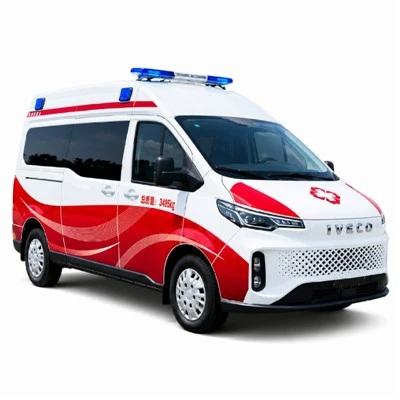
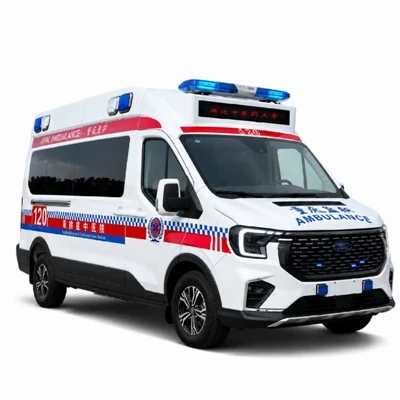
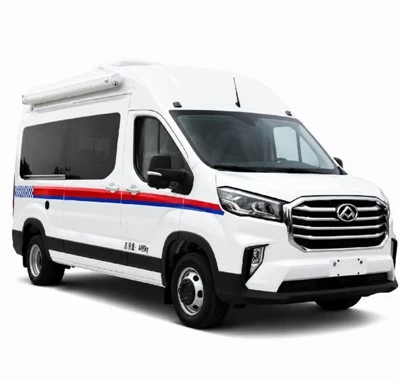
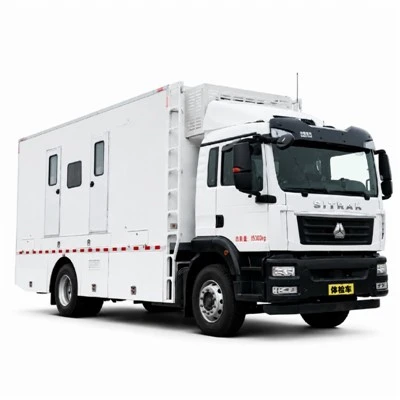
RUITU focuses on the research, development and production of purpose-built vehicles for medical care, emergency response, firefighting and engineering applications. Its core portfolio includes ambulances, medical vehicles, mobile operating theaters, mobile health examination units, fire trucks and engineering vehicles. Although these vehicles serve different missions, they share one requirement: the body, equipment and systems must work together as one reliable operating platform.
From Raw Material to Final Assembly
The facility is organized around a complete production sequence covering material cutting, forming and bending, welding, painting, final assembly and quality inspection. Keeping these stages within a coordinated workflow helps engineering information move from design to production without losing the details that matter to a customized build.
At the beginning of the process, material dimensions and component requirements are prepared for the intended vehicle structure. Forming and bending operations turn flat material into usable structural parts. Welding joins these parts into assemblies that must support the vehicle body, interior equipment and mission-specific systems. Painting and surface preparation protect finished components, while final assembly brings together the chassis, body, electrical systems, functional equipment and interior layout.
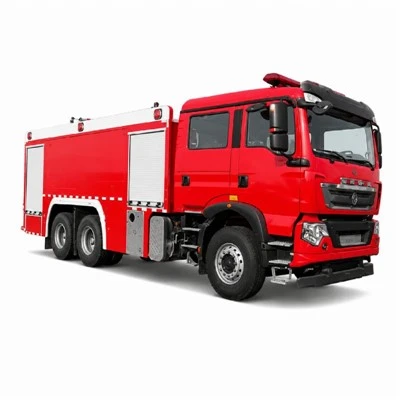
This sequence is particularly important for ambulances and other mobile medical vehicles. A medical cabin is not simply an empty van with equipment added later. Interior space, access routes, storage, working positions, lighting and equipment locations must be considered together. The same principle applies to fire trucks, where the body, tank, pump area, storage compartments and operating positions must support practical emergency work.
Equipment That Supports Consistency
RUITU's manufacturing resources include CNC fiber laser cutters, robotic welding workstations, CNC bending machines, fully automated shot blasting machines and complete-vehicle rain testing lines. Each type of equipment supports a different part of the production and verification process.
CNC cutting and bending help produce parts to defined dimensions. Robotic welding workstations support repeatable welding operations where a stable process is important. Automated shot blasting prepares metal surfaces before subsequent coating work. At the end of the build, rain testing equipment provides a controlled way to assess the sealing performance of the completed vehicle body.
Technology does not replace engineering judgment or inspection. Its value is that it gives trained production and quality teams a more controlled process in which requirements can be checked at the correct stage.
Built for Different Operating Missions
RUITU combines customized production with the ability to support larger procurement programs. This is necessary because specialist vehicles are rarely one-size-fits-all. A vehicle intended for urban emergency transport may require a different layout from one designed for remote healthcare, disaster response, mining operations or field medical support.
The company's manufacturing approach is therefore centered on the operating mission. Vehicle type, chassis platform, road conditions, climate, working environment and onboard functions all influence the final configuration. By connecting these requirements to an integrated production process, RUITU aims to deliver a vehicle that is not only complete on the day it leaves the factory, but also practical for the work it is expected to perform.
A Clearer View of Manufacturing Capability
For overseas buyers, manufacturing transparency is an important part of supplier evaluation. Understanding where the vehicle is built, which processes are carried out, what equipment supports production and how inspection is integrated into the workflow makes it easier to assess project risk.
RUITU's facility brings together the main stages from material processing to final vehicle dispatch. That integrated workflow forms the foundation for the company's medical, firefighting, engineering and emergency vehicle solutions-and for the customized support required by customers in different markets.
How Engineering Information Moves Through Production
An integrated factory becomes most valuable when information moves through it as clearly as materials do. A customized special vehicle normally begins with a technical discussion: the intended mission, chassis platform, body dimensions, payload, onboard equipment, working environment and destination requirements. These inputs need to be translated into drawings, component requirements and an approved production scope before fabrication begins.
During production, each department works on a different part of the same approved configuration. Cutting and bending teams prepare components; welding teams create body and support structures; surface-treatment and painting teams prepare exposed metal; assembly teams install functional systems and interiors; quality personnel compare the developing vehicle with the agreed requirements. When a change is requested, its effect on connected systems should be reviewed before it reaches the workshop. Moving a cabinet, for example, may affect wiring, access, weight distribution or the working space around medical equipment.
This disciplined transfer of information is especially important in low-volume, high-variation manufacturing. Two ambulances built on similar chassis can still differ in medical mission, staff positions, equipment mounts and electrical demand. The value of an integrated workflow is not that every vehicle becomes identical. It is that each approved configuration can be managed through a repeatable sequence.
Manufacturing Decisions That Affect Daily Use
Many factory decisions remain invisible after delivery, yet they influence how the vehicle performs in daily service. Compartment dimensions affect whether equipment can be removed for maintenance. Door openings influence loading and access. The routing of cables and pipes affects inspection and repair. Surface preparation contributes to coating performance, while body sealing protects the interior from weather exposure.
For medical vehicles, the production team must also respect the relationship between cleanable interior surfaces, storage, lighting, staff movement and equipment access. For fire and rescue vehicles, compartment layout should support the sequence in which crews retrieve and return tools. Engineering vehicles may need safe access to work equipment and sufficient space for service tasks. These examples show why a special vehicle should be evaluated as an operating system rather than as a collection of isolated components.
RUITU's manufacturing coverage allows these decisions to be considered across connected workshops. The objective is to reduce the gap between what is shown in a specification and what operators experience in the field.
What Buyers Should Confirm Before Production
A well-prepared project brief helps the factory develop a more accurate vehicle proposal. Buyers should identify the destination market, principal application, expected operating hours, typical road conditions, climate, crew size, payload and functional equipment. They should also clarify who will supply the chassis and mission equipment, which documents are required and which inspection points need to be witnessed or recorded.
Approval should cover more than the exterior appearance. Interior layouts, major component locations, equipment interfaces, electrical requirements and the included supply scope should be documented. If several vehicles are required, the approved reference configuration should be clear before batch production proceeds. This reduces late changes and gives both parties a common basis for final inspection.
RUITU encourages customers to begin with the mission rather than a generic model name. The more accurately the operating conditions are described, the more effectively the manufacturing workflow can be aligned with the project.
Discuss Your Special Vehicle Project
Tell RUITU your destination country, intended application, vehicle quantity, preferred chassis and operating conditions. The team can use this information to discuss a suitable configuration and project scope.
Website: www.ruitumotors.com | Email: Sales@ritumax.com | WhatsApp: +86 159 2762 1390