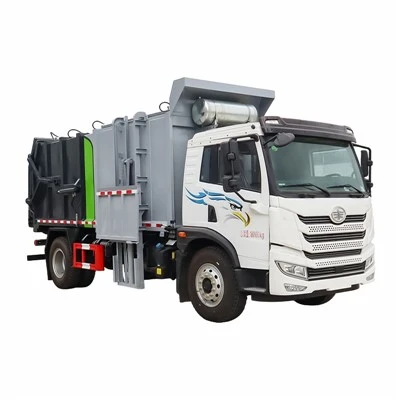


Airports are bustling hubs of activity, handling thousands of passengers and tons of cargo daily. With this high volume of traffic comes a significant amount of waste. From food wrappers and beverage containers to discarded newspapers and packaging materials, the waste generated at airports can be substantial. As a leading garbage truck supplier, we understand the unique challenges of handling waste from airports and have developed innovative solutions to ensure efficient and environmentally friendly waste management.
Types of Waste Generated at Airports
Before delving into how garbage trucks handle airport waste, it's essential to understand the types of waste typically produced. Airports generate a diverse range of waste, which can be broadly categorized into the following types:
- Domestic Waste: This includes everyday items such as food waste, paper, cardboard, plastics, and glass. It is mainly generated from passenger terminals, restaurants, cafes, and shops within the airport premises.
- Hazardous Waste: Airports also produce hazardous waste, including chemicals, batteries, fluorescent lamps, and medical waste. These materials require special handling and disposal procedures to prevent environmental contamination and ensure the safety of workers.
- Cargo Waste: Cargo operations at airports generate waste such as packaging materials, pallets, and damaged goods. This waste can be bulky and may require specialized equipment for handling and transportation.
- Aircraft Waste: Aircraft generate waste during flight, including food waste, sewage, and used fuel. This waste must be carefully collected and disposed of in accordance with strict regulations to prevent environmental pollution.
Challenges of Handling Airport Waste
Handling waste from airports poses several challenges that are unique to this environment. Some of these challenges include:
- High Volume of Waste: Due to the large number of passengers and cargo operations, airports generate a significant amount of waste on a daily basis. This requires garbage trucks to have a high capacity and the ability to handle large quantities of waste efficiently.
- Stringent Regulations: Airports are subject to strict environmental regulations regarding waste management. Garbage trucks must comply with these regulations, including proper handling, transportation, and disposal of different types of waste.
- Safety Requirements: The safety of passengers, airport staff, and the general public is of utmost importance at airports. Garbage trucks must be operated in a safe manner to prevent accidents and minimize the risk of injury.
- Time Constraints: Airports operate 24/7, and waste collection and disposal must be carried out without disrupting airport operations. Garbage trucks need to have flexible schedules and the ability to work quickly and efficiently.
How Garbage Trucks Handle Airport Waste
To address the challenges of handling airport waste, garbage trucks are equipped with specialized features and technologies. Here's how they handle different types of waste:
Collection of Domestic Waste
Domestic waste at airports is typically collected using a combination of front-loading, rear-loading, and side-loading garbage trucks. These trucks are designed to efficiently collect waste from various sources, including trash bins, dumpsters, and compactors.
- Front-Loading Garbage Trucks: Front-loading trucks are commonly used for collecting large dumpsters. They are equipped with a hydraulic arm that can lift and empty dumpsters into the truck's hopper. The waste is then compacted inside the truck to maximize its capacity.
- Rear-Loading Garbage Trucks: Rear-loading trucks are ideal for collecting waste from smaller trash bins and containers. They have a rear opening where waste is manually loaded into the truck. The waste is then compacted using a hydraulic system.
- Side-Loading Garbage Trucks: Side-loading trucks are designed to collect waste from curbside bins. They are equipped with a mechanical arm that can reach out and pick up bins, emptying them into the truck's hopper.
Handling of Hazardous Waste
Hazardous waste from airports requires special handling and transportation to prevent environmental contamination and ensure the safety of workers. Garbage trucks used for transporting hazardous waste are specially designed and equipped with features such as leak-proof compartments, ventilation systems, and emergency response equipment.
- Segregation and Labeling: Before collection, hazardous waste must be segregated from other types of waste and labeled appropriately. This ensures that it is handled and disposed of correctly.
- Specialized Containers: Hazardous waste is typically stored in specialized containers that are designed to prevent leaks and spills. These containers are then loaded onto the garbage truck using a crane or forklift.
- Compliance with Regulations: Garbage trucks transporting hazardous waste must comply with strict regulations regarding transportation routes, handling procedures, and emergency response plans. They are also required to have proper documentation and permits.
Management of Cargo Waste
Cargo waste at airports can be bulky and difficult to handle. Garbage trucks used for collecting cargo waste are often equipped with large, heavy-duty containers and specialized lifting equipment.


- Bulk Loading: Cargo waste is typically loaded onto the garbage truck in bulk using a forklift or conveyor belt. The truck is designed to accommodate large volumes of waste and may have a high payload capacity.
- Compaction: To maximize the truck's capacity, cargo waste is often compacted using a hydraulic system. This reduces the volume of waste and allows the truck to transport more waste in a single trip.
- Recycling: Whenever possible, cargo waste is recycled to reduce the environmental impact. Garbage trucks may be equipped with separate compartments for collecting recyclable materials, such as cardboard, plastics, and metals.
Disposal of Aircraft Waste
Aircraft waste, including food waste, sewage, and used fuel, requires special handling and disposal procedures. Garbage trucks used for collecting aircraft waste are designed to meet the strict requirements of the aviation industry.
- On-Board Collection Systems: Aircraft are equipped with on-board waste collection systems that separate different types of waste. Food waste and sewage are collected in separate containers, while used fuel is stored in specialized tanks.
- Ground Support Equipment: Garbage trucks used for collecting aircraft waste are equipped with specialized ground support equipment, such as vacuum trucks and fuel tankers. These vehicles are designed to safely and efficiently transfer waste from the aircraft to the truck.
- Treatment and Disposal: Once collected, aircraft waste is transported to a treatment facility for proper disposal. Food waste may be composted or incinerated, while sewage is treated to remove contaminants before being discharged. Used fuel is typically recycled or disposed of in accordance with environmental regulations.
Our Garbage Truck Solutions for Airports
As a leading garbage truck supplier, we offer a wide range of innovative solutions for handling waste from airports. Our garbage trucks are designed to meet the unique needs of the aviation industry, providing efficient and reliable waste collection and disposal services.
- 22m³ Mobile Garbage Compressor: This high-capacity garbage compressor is ideal for handling large volumes of waste at airports. It is equipped with a powerful hydraulic system that can compress waste up to 22 cubic meters, reducing its volume and maximizing the truck's payload capacity.
- Dongfeng 16 Ton Hooklift Garbage Truck: The Dongfeng 16 Ton Hooklift Garbage Truck is a versatile and reliable option for collecting and transporting waste at airports. It is equipped with a hooklift system that allows for easy and efficient loading and unloading of containers, making it suitable for handling different types of waste.
- 20m³ Bin Lifter Waste Compactor: Our 20m³ Bin Lifter Waste Compactor is designed to handle waste from large bins and containers. It is equipped with a bin lifter that can lift and empty bins into the compactor, which then compresses the waste to reduce its volume.
- 8m³ Mobile Waste Compactor Station: The 8m³ Mobile Waste Compactor Station is a compact and portable solution for waste management at airports. It can be easily moved to different locations within the airport premises, allowing for efficient waste collection and disposal.
- Changan Diesel Hooklift Truck: The Changan Diesel Hooklift Truck is a lightweight and fuel-efficient option for handling waste at airports. It is equipped with a diesel engine that provides reliable performance and low emissions, making it an environmentally friendly choice.
Contact Us for Your Airport Waste Management Needs
If you're looking for a reliable garbage truck supplier to handle waste from your airport, look no further. Our team of experts is dedicated to providing you with the best waste management solutions tailored to your specific needs. We offer a wide range of garbage trucks and equipment, as well as comprehensive after-sales support and maintenance services.
Contact us today to discuss your airport waste management requirements and to learn more about our products and services. We'll be happy to provide you with a free consultation and a customized solution that meets your budget and performance expectations.
References
- "Waste Management at Airports: A Comprehensive Guide." International Air Transport Association (IATA).
- "Environmental Regulations for Airports." Federal Aviation Administration (FAA).
- "Best Practices in Airport Waste Management." Airports Council International (ACI).