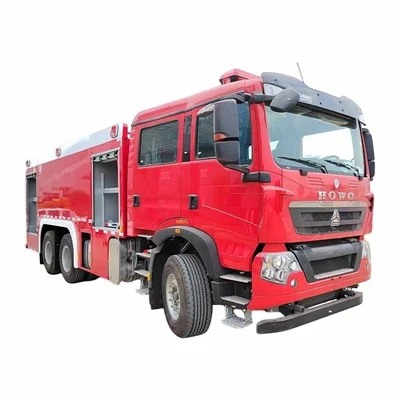


As a seasoned supplier of maintenance trucks, I've witnessed firsthand the critical role these vehicles play in various industries. Maintenance trucks are the unsung heroes, equipped to handle on - site repairs, emergency services, and routine maintenance tasks across different sectors. However, like any specialized equipment, they require proper maintenance to ensure optimal performance and longevity. In this blog, I'll delve into the key maintenance requirements for a maintenance truck, drawing from my extensive experience in the industry.
Regular Inspections
The cornerstone of maintenance truck upkeep is regular inspections. These should be conducted on a daily, weekly, and monthly basis to detect potential issues early and prevent costly breakdowns.
Daily Checks
Before each shift, a driver or operator should perform a quick walk - around inspection. Check the tire pressure and look for signs of wear or damage on the tires. Proper tire inflation not only ensures safety but also improves fuel efficiency. Inspect the exterior of the truck, including the bodywork, lights, and mirrors, for any signs of dents, scratches, or loose parts. Ensure that all lights are functioning correctly, including headlights, taillights, turn signals, and hazard lights, as they are crucial for visibility during both day and night operations.
Inside the cab, check the fluid levels, such as engine oil, coolant, brake fluid, and windshield washer fluid. Low fluid levels can lead to serious mechanical problems if not addressed promptly. Also, test the brakes and the steering for proper responsiveness.
Weekly Checks
On a weekly basis, perform a more in - depth inspection. Inspect the battery for corrosion on the terminals and ensure it is firmly secured. A weak or failing battery can leave you stranded in the middle of a job. Check the condition of the belts and hoses under the hood. Look for any signs of cracking, fraying, or leaks. Replace any worn - out belts or hoses as necessary.
Examine the suspension system for signs of damage or excessive wear. This includes checking the shock absorbers, springs, and bushings. A well - maintained suspension system provides a smoother ride and better handling, which is especially important for a truck that may be carrying heavy maintenance equipment.
Monthly Checks
Monthly inspections involve more comprehensive tasks. Inspect the air filter and clean or replace it if it is dirty. A clogged air filter can reduce engine performance and fuel efficiency. Check the exhaust system for leaks or damage. A leaking exhaust can pose a safety hazard due to the release of carbon monoxide.
Inspect the truck's maintenance tools and equipment. If it's a SINOTRUK HOWO Heavy Duty Mobile Maintenance Vehicle, make sure all the heavy - duty tools it comes with, such as large - scale hydraulic jacks and high - powered compressors, are in working order. For trucks like the JMC Tool Maintenance Truck, ensure that the tool storage compartments are organized and that all tools are accounted for and functioning correctly.
Fluid Changes
Proper fluid management is crucial for the smooth operation of a maintenance truck.
Engine Oil
Regular oil changes are one of the most important maintenance tasks. Over time, engine oil breaks down and can become contaminated with dirt, debris, and other impurities. Follow the manufacturer's recommendations for oil change intervals. Typically, this can range from every 3,000 to 7,500 miles, depending on the type of engine, driving conditions, and the quality of the oil used.
When changing the oil, also replace the oil filter. A new oil filter ensures that the fresh oil remains clean and free of contaminants as it circulates through the engine.
Transmission Fluid
The transmission fluid lubricates the moving parts within the transmission system and helps to regulate temperature. Change the transmission fluid at the recommended intervals to prevent premature wear and tear on the transmission. Different types of transmissions, such as automatic or manual, may have different fluid change requirements.
Coolant
The coolant, also known as antifreeze, plays a vital role in preventing the engine from overheating. Check the coolant level regularly and ensure that the mixture of coolant and water is at the correct ratio. Over time, coolant can break down and lose its effectiveness, so it's important to replace it according to the manufacturer's guidelines.
Brake Fluid
The brake fluid is responsible for transmitting the force from the brake pedal to the brake pads or shoes. Brake fluid can absorb moisture over time, which can lead to a decrease in braking performance. Have the brake fluid flushed and replaced at regular intervals to ensure safe stopping.
Tire Maintenance
Tires are a critical component of any vehicle, and maintenance trucks are no exception.
Rotation
Regular tire rotation helps to ensure even wear across all tires. This extends the lifespan of the tires and improves the truck's overall handling. The rotation pattern may vary depending on whether the truck is front - wheel drive, rear - wheel drive, or all - wheel drive. Check the owner's manual for the recommended rotation intervals and patterns.
Alignment
Proper wheel alignment is essential for tire longevity and vehicle safety. Misaligned wheels can cause uneven tire wear, poor handling, and decreased fuel efficiency. Have the wheel alignment checked periodically, especially if you notice that the truck is pulling to one side or if the steering wheel is not centered when driving straight.
Tread Depth
Monitor the tread depth of your tires regularly. Insufficient tread depth can reduce traction, especially in wet or slippery conditions. Use a tread depth gauge to measure the tread depth, and replace the tires when they reach the minimum recommended level.

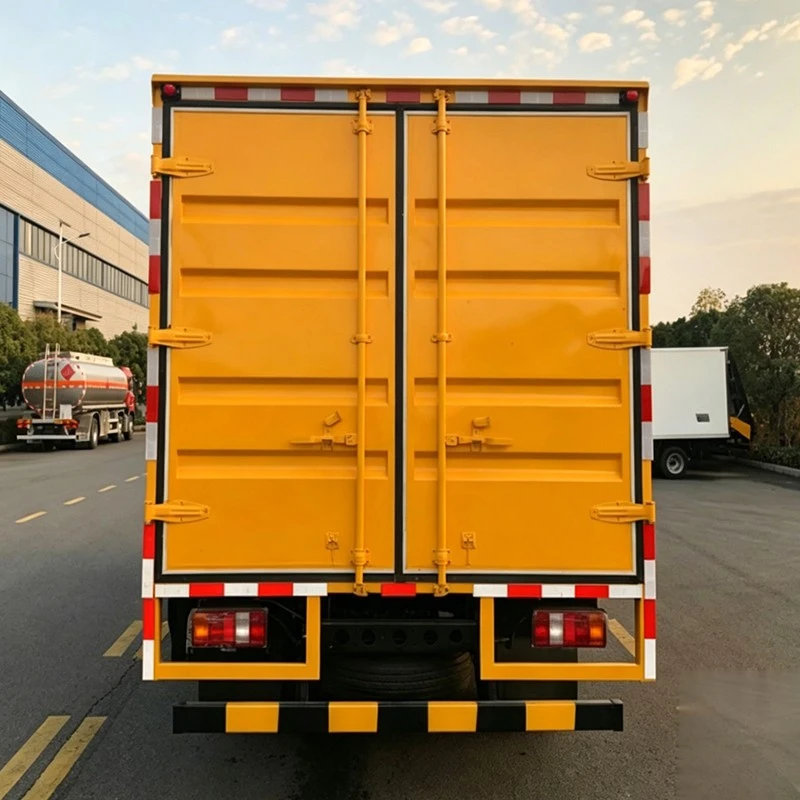
Equipment Maintenance
Maintenance trucks are equipped with a variety of specialized tools and equipment, and these also require regular maintenance.
Welding Equipment
If the maintenance truck is equipped with welding equipment, it's important to keep the welding machine clean and free of debris. Check the cables and electrodes for wear and tear. Ensure that the gas supply for gas - shielded welding processes is at the correct pressure.
Compressors
Compressors are commonly used in maintenance trucks to power pneumatic tools. Regularly drain the moisture from the compressor tank to prevent corrosion. Check the compressor's air filters and clean or replace them as needed. Also, ensure that the belts driving the compressor are properly tensioned.
Lift Systems
If the truck has a lift system, such as a hydraulic lift for accessing high - up areas, inspect the hydraulic fluid level and look for any signs of leaks. Check the lift mechanism for proper operation and lubricate moving parts regularly.
Electrical System Maintenance
The electrical system in a maintenance truck powers everything from the lights and the radio to the specialized equipment on board.
Battery
As mentioned earlier, keep the battery terminals clean and free of corrosion. Check the battery's charge level regularly. If the battery is not holding a charge or is showing signs of weakness, it may need to be replaced.
Wiring
Inspect the wiring throughout the truck for any signs of fraying, cracking, or loose connections. Faulty wiring can cause electrical problems, such as malfunctioning lights or equipment failures. Make sure all electrical connections are secure and that the wiring is properly routed to prevent damage.
Fuses and Relays
Check the fuses and relays regularly to ensure they are in good working condition. A blown fuse can cause a particular electrical component to stop working. Replace any blown fuses with the correct amperage rating.
Conclusion
Maintaining a maintenance truck is a multi - faceted task that requires attention to detail and a commitment to regular upkeep. By following the maintenance requirements outlined in this blog, you can ensure that your Foton Emergency Rescue Mobile Workshop Truck, Dongfeng D9 Double Cab Mobile Workshop Truck, IVECO Juxing Electric Mobile Service Vehicle, or any other type of maintenance truck remains in top - notch condition.
If you're in the market for a reliable maintenance truck or need more information on maintenance best practices, don't hesitate to reach out. We're here to help you find the perfect solution for your maintenance needs and ensure that your investment is well - cared for.
References
- "Automotive Maintenance and Light Repair" textbook
- Manufacturer's manuals for various maintenance trucks