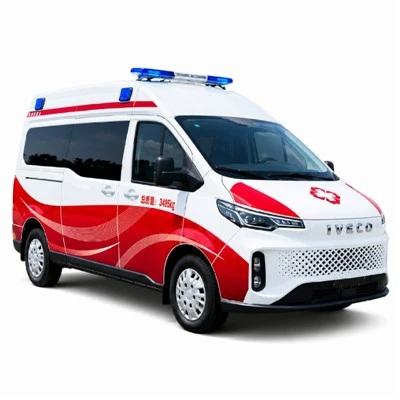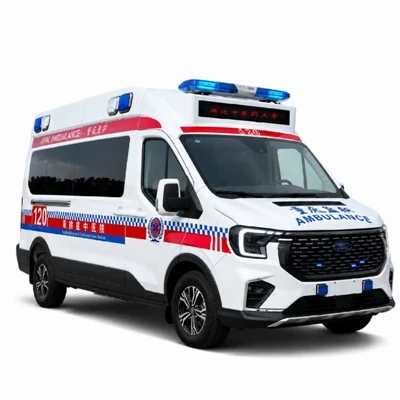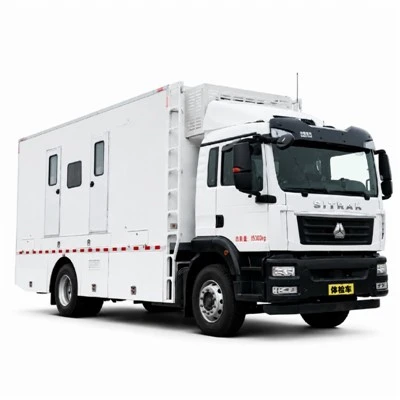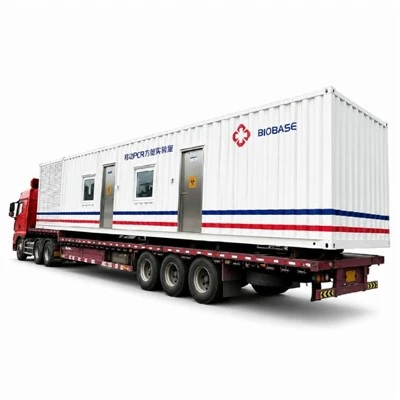

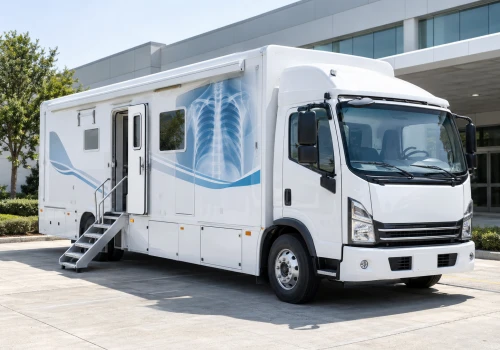
A properly designed mobile DR X-ray examination vehicle should integrate the imaging system, radiation protection, electrical power, HVAC, patient workflow and digital data system as one complete solution.
Buying a mobile DR X-ray vehicle is more complex than buying a standard commercial vehicle.
The vehicle combines:
automotive engineering
medical imaging
radiation protection
electrical power
digital data
patient workflow
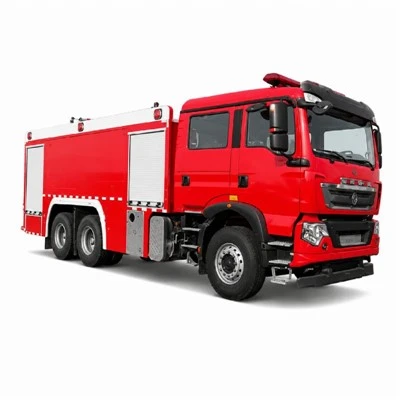
A procurement mistake in one area can affect the entire system.
For example, choosing a vehicle that is too small may restrict patient positioning.
Underestimating electrical demand may create equipment problems.
Ignoring workflow may reduce screening capacity even when the DR machine itself is fast.
Below are ten common mistakes professional buyers should avoid.
Mistake 1: Choosing the Vehicle Before Defining the DR System
This is one of the most common planning problems.
A buyer selects a van or truck first and then asks:
"Can this DR machine fit inside?"
The better approach is to define:
examination mission
DR equipment
patient positioning
operator area
shielding
daily throughput
before finalizing the vehicle.
Why It Matters
The DR system may require specific:
room dimensions
equipment distance
ceiling height
mounting structure
operator space
If these requirements are discovered late, the vehicle may require expensive redesign.
Better Approach
Use this sequence:
Clinical Mission → DR System → Room Layout → Vehicle Platform
Mistake 2: Underestimating Radiation-Shielding Weight
Radiation protection can add significant mass to the vehicle.
Buyers may calculate equipment weight but forget the weight of:
shielding materials
protected doors
observation structures
support frames
Why It Matters
Additional weight affects:
GVW
payload
axle load
suspension
vehicle handling
Better Approach
Include radiation protection in the completed-vehicle weight calculation from the beginning.
Mistake 3: Specifying Power Without Calculating the Complete Load
It is not enough to ask:
"How many kW is the generator?"
The complete vehicle may need to power:
X-ray generator
DR workstation
detector
HVAC
lighting
computers
network equipment
other medical devices
Why It Matters
Peak electrical demand may be very different from normal operating load.
Better Approach
Calculate:
continuous load
peak load
generator capacity
UPS requirement
shore-power requirement
Mistake 4: Ignoring Grounding and Power Quality
A large generator does not automatically provide a suitable medical electrical system.
Electrical design should also consider:
voltage stability
grounding
protection
connection quality
generator integration
shore-power conditions
Why It Matters
Poor electrical quality can contribute to unreliable operation of sensitive equipment.
Better Approach
Ask for a complete electrical architecture rather than only the generator specification.
Mistake 5: Poor Patient Flow
A technically excellent DR system can still achieve poor daily productivity if the patient workflow is inefficient.
Common problems include:
one narrow entry used for both directions
registration inside the imaging room
patients crossing each other
insufficient waiting area
poor privacy
Why It Matters
High-volume screening depends on smooth movement.
Better Approach
Map the entire patient journey:
Registration → Queue → Entry → Positioning → Exposure → Exit
before approving the floor plan.

Mistake 6: Insufficient HVAC
A mobile DR vehicle is often operated while stationary.
The cabin contains:
imaging electronics
computers
staff
patients
All produce heat.
Why It Matters
In hot climates, insufficient air conditioning may create:
uncomfortable staff conditions
patient discomfort
high equipment temperature
Better Approach
Size HVAC according to:
destination climate
vehicle volume
equipment heat
operating hours
passenger load
Mistake 7: No DICOM or PACS Strategy
Some projects focus entirely on image acquisition.
They only discover later that nobody has clearly defined:
image storage
hospital upload
remote diagnosis
patient record integration
Why It Matters
The purpose of digital imaging is not only to generate a picture.
The image must become part of a usable medical workflow.
Better Approach
Before production, confirm:
DICOM compatibility
PACS destination
patient-data workflow
image naming
network connection
backup process
Mistake 8: Ignoring Daily Screening Capacity
A customer may request:
"One mobile X-ray vehicle."
But the important question is:
How many people must the vehicle examine each day?
A 100-patient-per-day project and a 600-patient-per-day project may need different layouts.
Why It Matters
Daily throughput affects:
patient flow
workstation speed
registration
operator fatigue
waiting area
network
data storage
Better Approach
Define required throughput before selecting the vehicle layout.
Mistake 9: Choosing the Wrong Vehicle Platform
A smaller vehicle may initially appear cheaper.
But if it forces poor workflow or insufficient equipment space, the long-term cost can be higher.
Van
Best when:
maneuverability is critical
screening volume is moderate
equipment requirements are compact
Truck
Best when:
larger imaging room is needed
more technical equipment is required
custom body engineering is preferred
Bus
Best when:
multiple examination functions are integrated
large screening programs are planned
registration or other clinical areas are needed
Better Approach
Choose the platform based on mission, not appearance.
Mistake 10: Assuming One Radiation Configuration Works Everywhere
Radiation regulations differ between markets.
Requirements may involve:
equipment approval
shielding evaluation
operator protection
licensing
radiation monitoring
documentation
Why It Matters
A vehicle compliant with one country's requirements may need changes for another market.
Better Approach
Confirm the destination-country regulatory pathway before the final design is approved.
Radiation shielding and X-ray system configuration should be reviewed against the applicable regulations and approval requirements of the destination country.
Bonus Mistake: Ignoring Equipment Serviceability

A vehicle may look very clean when new, but eventually the equipment will need maintenance.
Ask:
Can the generator be accessed?
Can the HVAC be serviced?
Can electrical components be inspected?
Can DR equipment be calibrated?
Can batteries be replaced?
A vehicle that cannot be serviced easily may create long downtime later.
Why Procurement Should Start With a Requirements Document
Before requesting quotations, prepare a basic technical requirements document.
It should include:
clinical mission
daily screening volume
destination country
DR equipment requirement
vehicle size preference
radiation-protection requirement
electrical requirement
HVAC
DICOM/PACS
network
accessibility
certifications
delivery schedule
This allows manufacturers to quote comparable solutions.
Without a clear specification, one supplier may quote a basic van while another quotes a fully integrated screening system.
The prices then cannot be compared fairly.
Buyers who are still defining their clinical mission, daily screening volume and vehicle platform can refer to our guide on how to choose the right mobile DR X-ray examination vehicle.
What Should Buyers Compare Between Quotations?
| Item | Why It Matters |
|---|---|
| Vehicle Platform | Determines space and mobility |
| Completed Vehicle Weight | Affects payload and compliance |
| DR System | Determines imaging capability |
| Radiation Protection | Affects safety and vehicle weight |
| Electrical System | Supports reliable operation |
| Generator | Determines off-grid capability |
| UPS | Protects sensitive equipment |
| HVAC | Supports people and electronics |
| Workstation | Affects workflow |
| DICOM/PACS | Determines data integration |
| Network | Supports remote diagnosis |
| Service Access | Affects long-term maintenance |
| Documentation | Supports operation and approval |
How to Avoid Specification Creep
Projects sometimes become more expensive because new requirements are added after production begins.
Examples include:
adding a second examination function
changing DR equipment
increasing shielding
adding generator capacity
adding another air conditioner
adding PACS integration
Every change can affect:
weight
power
layout
cost
delivery time
The earlier the mission is defined, the fewer expensive changes are required later.
Questions to Ask a Mobile DR Vehicle Manufacturer
Before placing an order, ask:
What vehicle platform do you recommend and why?
How is the DR equipment mounted?
How is radiation protection integrated?
What is the completed vehicle weight?
What is the electrical load?
What power sources are included?
Is UPS included?
What HVAC capacity is planned?
How is patient flow arranged?
Does the system support DICOM/PACS?
Can the vehicle operate offline?
How are images backed up?
How is equipment serviced?
What technical documentation is supplied?
What pre-delivery testing is performed?
These questions reveal much more than asking only:
"What is the price?"
Mobile DR X-Ray Vehicle Procurement Checklist
Before signing the contract, confirm:
Mission is defined
Daily patient volume is confirmed
DR equipment is finalized
Vehicle platform is approved
Imaging-room layout is approved
Radiation-protection design is reviewed
Completed vehicle weight is calculated
Axle load is acceptable
Electrical load is calculated
Generator specification is confirmed
UPS is confirmed
HVAC is confirmed
Patient flow is approved
DICOM/PACS requirements are confirmed
Offline data operation is considered
Maintenance access is practical
Local regulatory requirements are reviewed
Technical documentation is included
FAQ
What is the biggest mistake when buying a mobile DR vehicle?
One of the biggest mistakes is selecting the vehicle platform before defining the clinical mission, DR equipment and radiation-protection requirements.
Is a bigger vehicle always better?
No. A larger vehicle may provide more space but also increases purchase cost, operating cost and maneuvering requirements.
Does a mobile DR vehicle always need a generator?
Not always. It depends on the availability and reliability of external power at the operating site.
Is DICOM necessary?
For many hospital-connected and digital imaging projects, DICOM compatibility is highly useful and often expected. Exact requirements depend on the customer's information system.
Can one design be used in every country?
Not automatically. Radiation and vehicle requirements can differ between markets.
Final Thoughts
To better understand how the X-ray generator, detector, workstation, power supply and digital imaging workflow operate together, read how a mobile DR X-ray examination vehicle works.
The biggest risk in purchasing a mobile DR X-ray vehicle is treating it as a normal vehicle conversion.
It is not.
A successful project must integrate:
Clinical Workflow → DR Imaging → Radiation Protection → Electrical Power → Vehicle Engineering → HVAC → Digital Data → Maintenance
Professional buyers should therefore evaluate the complete operating system rather than compare only:
vehicle size
DR brand
generator power
price
A well-designed mobile DR vehicle is one in which every system supports the same screening mission.