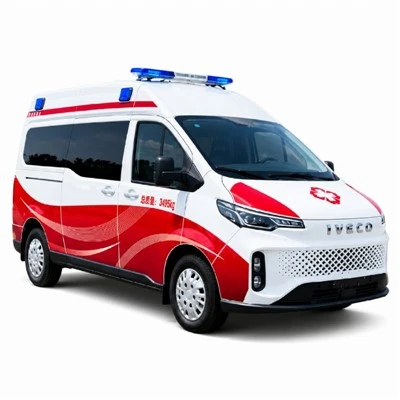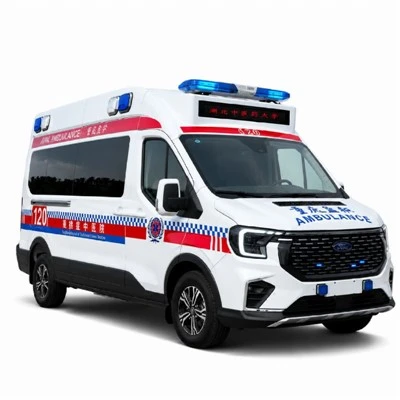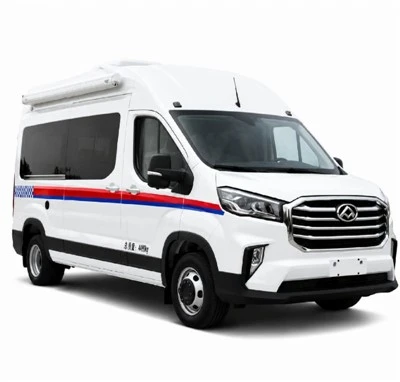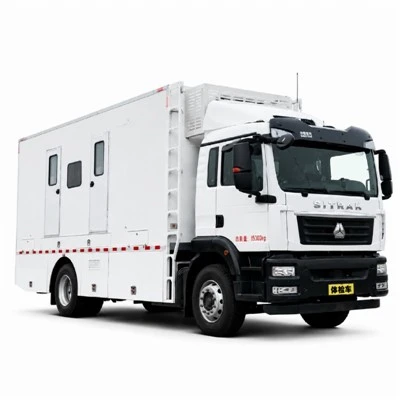

Emergency ambulance manufacturers in China that overseas buyers can investigate include Guangdong Laina Special Vehicle Manufacturing Co., Ltd., Jiangsu Zhongyi Automobile Co., Ltd., JSV Jiangling Modification, and Hubei Ruitu Technology Co., Ltd. Their public materials cover different platforms and conversion options, but the useful comparison is how each proposed vehicle fits your clinical service, destination requirements and maintenance resources.
For hospital, EMS, public-procurement and distributor buyers, a shortlist is only the starting point. Send every supplier the same written requirement so that price, equipment and delivery scope can be compared like for like.
Disclosure: This guide is published by Hubei Ruitu Technology Co., Ltd. Ruitu is included as one of four illustrative suppliers, not as a ranking.
Four Suppliers for an Initial Review
The companies below have relevant public ambulance information. This is an illustrative sourcing shortlist, not a market-share, quality or ranking claim. Confirm product availability and export suitability for the specific order.
|
Company |
Publicly presented ambulance scope |
Best-fit project to discuss |
Evidence to request |
|
Guangdong Laina Special Vehicle Manufacturing Co., Ltd. |
Van, box-body, electric and negative-pressure ambulances |
Body-format comparison or specialized cabin project |
Exact model specification, layout drawing and evidence for specialized functions |
|
Jiangsu Zhongyi Automobile Co., Ltd. |
Transit, Mercedes-Benz, Iveco and other chassis-based ambulances |
Multi-platform procurement evaluation |
Current chassis availability, completed-vehicle configuration and destination documentation |
|
JSV Jiangling Modification |
Transit T8, Fushun, monitoring and neonatal transport ambulances |
Fleet purchase on a named platform or specialized transfer configuration |
Model-specific equipment schedule, installation details and service responsibilities |
|
Hubei Ruitu Technology Co., Ltd. |
BLS, ICU, off-road and electric ambulances; customization services |
Hospital or importer needing chassis, cabin layout and equipment scope developed together |
Proposed layout, itemized equipment list and written supply-responsibility matrix |
Guangdong Laina Special Vehicle Manufacturing Co., Ltd.
Laina's public range distinguishes several ambulance body and application categories. This gives buyers a starting point when comparing a van conversion with a separate medical body, or investigating a specialized application.
Ask for information on the actual model being offered. A category name alone does not establish its patient capacity, equipment provision or suitability for your destination.
Jiangsu Zhongyi Automobile Co., Ltd.
Zhongyi groups its ambulance catalogue by platforms including Transit, Mercedes-Benz and Iveco, alongside other chassis and mobile medical categories.
If you already have a maintenance network, start with platforms that network can service. Before comparing quotations, confirm the exact engine, transmission, steering position (including right-hand drive where required) and completed layout. A shared chassis brand does not make two conversions equivalent.
JSV Jiangling Modification
JSV's medical vehicle listings include Transit T8 and Fushun ambulances, as well as monitoring and neonatal transport models.
Use these named applications to ask specific technical questions. For a neonatal project, for example, specify the intended transport equipment and ask the supplier to document the proposed installation, power arrangements and space allocation.
Hubei Ruitu Technology Co., Ltd.
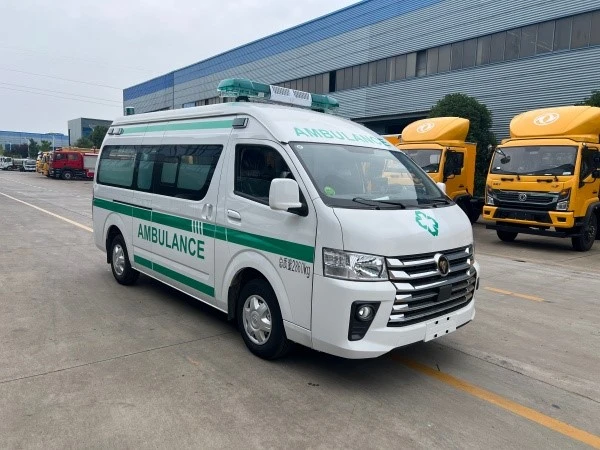
Based in Suizhou, Hubei, Ruitu focuses on customized ambulance models, mobile medical vehicles and emergency vehicles. Its ambulance range includes BLS, ICU, off-road and electric options. For critical-care procurement, review the ICU ambulance options alongside the general range.
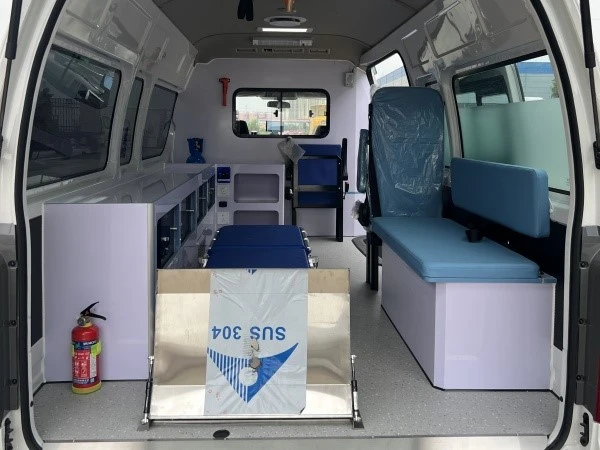
For an overseas project, confirm whether chassis selection, medical-cabin layout and equipment integration are developed together. Ruitu's published customization information covers the positioning of stretchers, attendant seats, cabinets, oxygen cylinders and equipment brackets. Use it to review concrete layout decisions rather than exterior photographs alone.
If you are replacing an existing vehicle, begin with the crew's current workflow: where staff sit, which equipment they must reach, and what must travel with the patient. The agreed proposal should identify the selected platform and included equipment in writing.
Compare Every Supplier Against the Same Requirement
An enquiry for an "emergency ambulance" can produce very different offers. Define the service before requesting a price.
|
Decision area |
Information to give every supplier |
|
Intended service |
Emergency response, inter-hospital transfer or another defined role |
|
Clinical provision |
Equipment list approved by the purchasing clinical team |
|
Operating conditions |
Typical routes, climate, road conditions and time away from base |
|
Vehicle preferences |
Steering position (including right-hand drive), fuel type, transmission and preferred serviceable platforms |
|
Supply boundary |
Items supplied with the vehicle vs. installed locally |
|
Destination and documentation |
Import country, tender or registration requirements, and required export documents |
Treat labels such as BLS, ALS and ICU as starting points for discussion. The final order needs an equipment schedule and an agreed description of the intended service.
Identify Who Supplies Each Part of the Finished Vehicle
A recognizable chassis badge tells you the base-vehicle brand. It does not identify every organization responsible for the conversion, installed medical devices or export contract.
Ask the bidder to identify the contracting company, conversion manufacturer and equipment suppliers. Request a clear explanation of who handles chassis faults, conversion issues and medical-device warranty claims. A responsibility matrix is particularly useful where several organizations contribute to the finished ambulance.
Compare Whole-Life Support, Not Just Purchase Price
A quotation should make the chassis, conversion, medical equipment, accessories and delivery scope easy to distinguish. Record exclusions and proposed alternatives before making a price comparison.
Also ask how replacement conversion parts will be identified, which maintenance documents are supplied, and what support is available for the proposed equipment in your country. A familiar chassis helps with base-vehicle maintenance, but the cabin fittings and medical devices need their own support arrangements.
Prepare a Focused Enquiry
Send the shortlisted companies your destination country, quantity, intended service, preferred steering position and equipment list. Add an example layout or photographs of your existing vehicle where useful.
If you are evaluating a customized ambulance, send these details to Hubei Ruitu Technology Co., Ltd. and request a coordinated chassis, layout and equipment specification. A clear brief makes the offer easier for procurement and clinical teams to assess.
Sources and Editorial Notes
Reviewed on 23 October 2026:
Guangdong Laina Special Vehicle Manufacturing Co., Ltd., "About us" and visible product categories.
Jiangsu Zhongyi Automobile Co., Ltd., "Ambulance" product category.
JSV Jiangling Modification, "Medical Vehicles" catalogue.
Hubei Ruitu Technology Co., Ltd., "Ambulance" category and customization information.