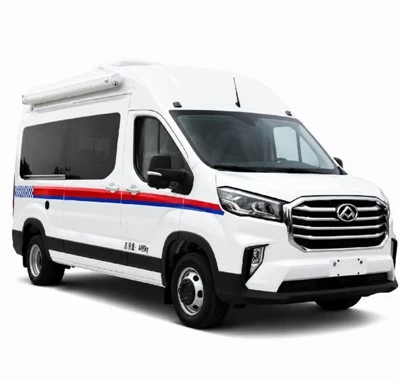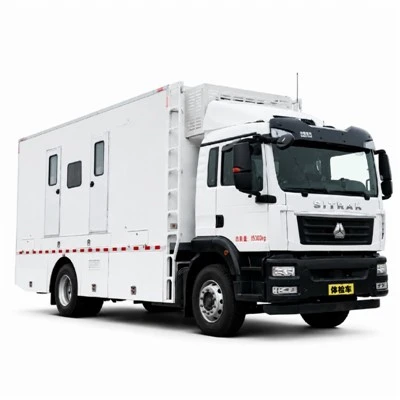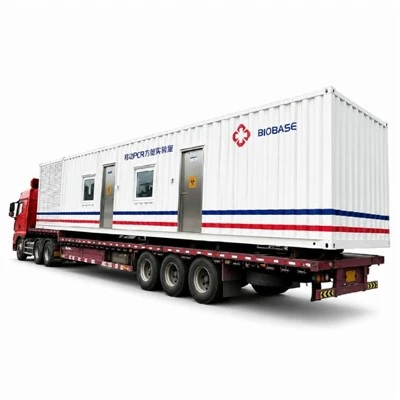

Start with the delivery task, not the advertised range
An electric refrigerated truck can be a practical fit for repeatable cold chain routes, particularly where the vehicle returns to a depot. Yet two trucks with similar battery capacity can produce very different results. The cargo body, refrigeration unit, payload and number of door openings all change the energy required for a working day. A buyer should define the actual duty cycle before requesting a quotation.
Write down the product categories, required temperature bands, number and duration of stops, daily distance, driving speed, loading weight, ambient conditions and parking time. Keep chilled and frozen routes separate in the first assessment. If one vehicle must carry both simultaneously, ask for a properly designed multi-temperature body and independent zone controls rather than assuming a single evaporator can serve both.
Specify the body and cooling duty together
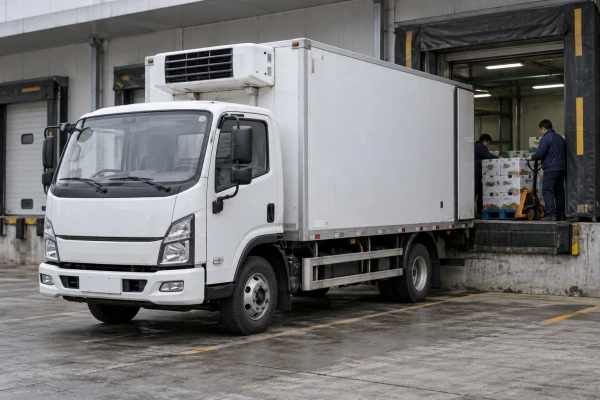
The insulated box reduces heat gain; the transport refrigeration unit removes heat that enters through the body, doors and cargo. Ask for the insulation construction, door seals, floor design, internal dimensions, air circulation path and the refrigeration unit's capacity under the intended operating conditions. A nominal cooling capacity without its test conditions says little about performance in high ambient heat.
Pre-chill temperature-sensitive goods at the warehouse. The truck should maintain the specified transport condition; using it to pull down a warm, densely packed load can overwhelm the available cooling capacity. Request a loaded temperature test that reflects the route, including door openings and recovery after a stop. Temperature logger placement should capture conditions near the cargo, not merely the controller display.
Calculate usable daily energy and payload
Ask whether the refrigerator draws power from the traction battery, a separate battery pack, external standby power, or a combination. This determines how refrigeration affects driving range and what happens while the truck is parked or charging. Use a conservative energy budget: daily driving energy plus refrigeration energy during transit and stops, plus other auxiliary loads and an operating reserve. Calculate with the usable battery capacity and the supplier's specified battery limits, not the nominal pack size alone.
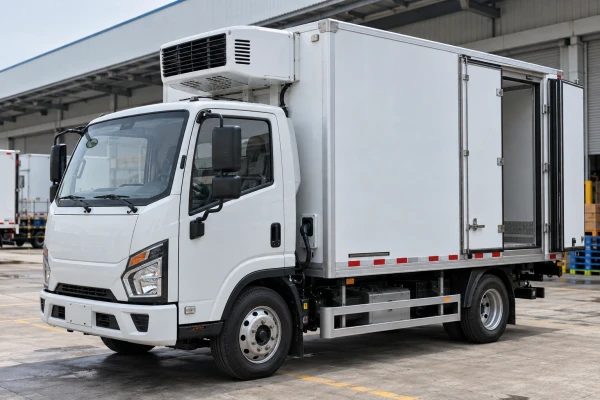
Check gross vehicle weight, axle loads and legal payload after the insulated body, refrigeration unit, batteries and shelving are installed. A larger battery or thicker body can improve endurance or thermal performance while reducing cargo capacity. Request a complete vehicle weighing statement and load distribution drawing for the intended configuration.
Check the charging and service plan before ordering
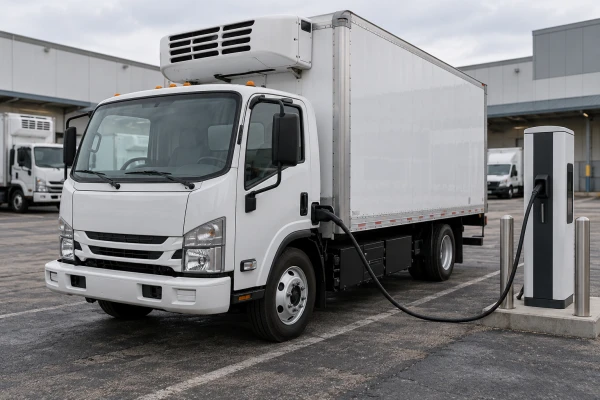
Confirm the depot's available voltage, electrical capacity, connector and charging schedule against the exact vehicle specification for the destination market. Model the shortest overnight dwell, the longest route and the hottest operating day. Where the refrigeration unit can use external power, verify the changeover procedure and whether cargo temperature remains controlled during charging.
Ask the builder who supports the chassis, high-voltage system, insulated body and refrigeration unit after delivery. Obtain wiring diagrams, compatible spare parts, service intervals, operator instructions and a fault escalation contact. Destination-country registration, food transport and equipment certification requirements must be checked locally before purchase.
FAQ
Does an electric refrigerated truck always need a separate cooling battery?
No. Designs vary. The refrigeration unit may use the traction battery, an auxiliary pack or shore power. Request an electrical architecture diagram and a duty-cycle test.
Can one truck transport chilled and frozen cargo together?
Only if the body and refrigeration equipment are configured and validated for the required separate zones. Setpoints alone do not create physical separation.
Is the published vehicle range enough to select a truck?
No. Range claims may not represent a loaded, hot-weather, multi-stop refrigerated route. Ask for route-specific energy assumptions and reserve.
Conclusion
A sound purchasing specification links cargo temperature, stop pattern, refrigeration architecture, usable battery energy and legal payload. Ask suppliers to show the assumptions behind every performance claim and test the complete vehicle against the actual route.
Internal link execution
Placement: After the first paragraph under Calculate usable daily energy and payload. Sentence: To understand the energy paths in more detail, read our guide to how an electric refrigerated truck works. Anchor: how an electric refrigerated truck works. Target: Article 2, once published.
Placement: After the first paragraph under Check the charging and service plan before ordering. Sentence: For a practical operating checklist, see common electric refrigerated truck problems and how to prevent them. Anchor: common electric refrigerated truck problems. Target: Article 3, once published.