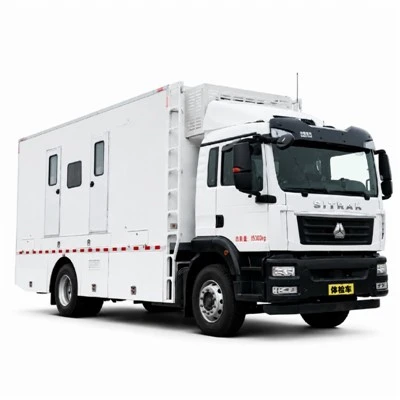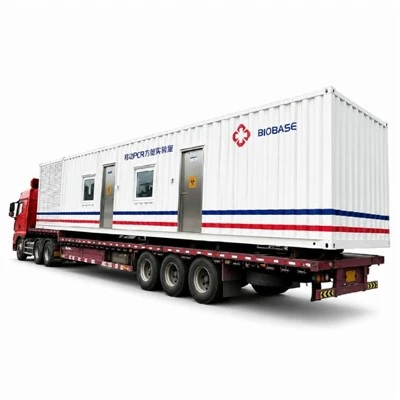

When a broken excavator stops work on a remote project, the repair problem is not always technical. Technicians may know exactly what to do but lack a clean work surface, compressed air, electrical power or the spare part that is still sitting at the depot. A mobile workshop truck brings selected workshop functions to the equipment rather than transporting every machine back for service.
The best mobile workshop layout is built around the maintenance sequence. A practical design allows technicians to diagnose the fault, retrieve the correct tools, repair or replace the component, test the result and secure everything before leaving the site.

What Makes a Truck a Mobile Workshop?
A conventional delivery body mainly moves cargo. A mobile workshop truck is designed for people to perform maintenance tasks from or beside the vehicle. Depending on the job, it may include lockable tool cabinets, a bench, power generation, compressed air, service lighting, specialized repair equipment and separate storage for consumables. Some designs use an enclosed walk-in workshop, while others rely on external access compartments and a fold-out work area.
Neither arrangement is universally superior. An enclosed body provides sheltered workspace and more controlled storage, but technicians may still need to work beside an oversized machine. External-access service bodies make tools easier to retrieve outdoors and may be more suitable when most repairs occur next to construction or agricultural equipment.

1. Design the Layout Around a Typical Service Call
Start with an actual maintenance scenario. A technician arrives, parks safely, sets up lighting, isolates the equipment, performs diagnosis, removes a component and uses the truck's tools to complete the work. Map each step to storage or equipment locations. The layout should minimize unnecessary walking and repeated handling of heavy items.
Fast-moving hand tools belong near the normal work position. Large equipment must have structurally suitable mountings. Parts with high replacement frequency should be labeled and separated by type. Clean electrical diagnostics tools should not share an unprotected compartment with leaking oils or dirty recovery equipment.
2. Choose Onboard Systems That Match the Repairs
|
System |
Typical purpose |
Specification question |
|
Air compressor |
Pneumatic tools and inflation |
Required airflow at operating pressure? |
|
Generator or inverter |
Electrical tools and charging |
Continuous load and startup demand? |
|
Workbench and vise |
Component preparation |
Working height and secure mounting? |
|
Tool cabinets |
Organization and retention |
Drawer rating and travel locks? |
|
Service lighting |
Night or enclosed-area repairs |
Coverage, protection and power source? |
|
Lifting equipment |
Handling heavy components |
Capacity at actual working radius? |
Adding every possible system can make the mobile workshop heavier, harder to maintain and more costly without improving productivity. A generator may be essential for one team and redundant for another that mainly uses cordless tools. A crane could be valuable for moving pumps or machine components, but it should be chosen against the heaviest real lift and available setup space.

3. Build a Safe Workflow for Tools, Fluids and Power
A mobile repair operation often combines mechanical tasks with electricity, pressurized air and potentially hazardous fluids. Keep cable routing and hose connections away from walkways where practical. Provide mounting and retention for cylinders and other stored equipment according to their hazard and usage. Where fluids are handled, plan compatible storage, spill management and disposal arrangements rather than treating an ordinary drawer as a universal storage solution.
Ventilation, fire protection, safe access and electrical protection depend on the fitted systems and the operating environment. Welding, fuel transfer and battery service require particular attention because they introduce different hazards. The vehicle should be configured to support the operator's safety procedures, not as a substitute for them.
4. Typical Industry Applications
Construction and Roadwork
Repair crews may need to maintain excavators, loaders, compactors and site generators. Useful features include robust external compartments, diagnostic tool storage, work lighting and, where justified, compressed air or lifting equipment. Site access and rough-road durability are major chassis considerations.
Mining and Remote Industrial Sites
Long travel distances and limited workshop access make organized spares and maintainable onboard systems particularly important. The design may place higher priority on autonomy, dust control, service access and the availability of replacement components at the operating site.
Power, Water and Municipal Utilities
Utility teams may work from roadside locations and visit several sites per shift. Compact tool storage, reliable task lighting and quick access to electrical or mechanical repair tools can matter more than a large enclosed workshop. The layout should support safe parking and efficient stop-and-go service.
Agricultural and Equipment Dealer Support
Field technicians servicing farm machinery often travel during time-sensitive operating windows. They benefit from clearly organized consumables, machine-specific diagnostic tools and practical weather protection. Service truck design should consider seasonal workload as well as everyday maintenance.
5. Work Through a Layout Example
Consider a maintenance team responsible for pumps and small diesel-powered machinery. The initial equipment list could include mechanic's hand tools, a parts organizer, a vise, portable diagnostic equipment, charging facilities, lighting and selected lifting aids. A preliminary layout might place tool drawers near the passenger-side work zone, heavy items lower in the body and clean diagnostic equipment in a sealed compartment. This is an illustrative workflow, not a fixed vehicle specification.
The final design still requires dimensional drawings, an equipment weight schedule, axle-load checks, power-demand calculations and evaluation of access space. A supplier should explain where components can be inspected, repaired or replaced over the truck's working life.
6. What to Request from a Mobile Workshop Truck Manufacturer
Prepare a short project brief stating vehicle destination, work tasks, number of technicians, road conditions, equipment list and estimated payload. Ask for a body layout showing cabinet locations and major fixed systems. For powered equipment, obtain detailed operating specifications rather than accepting generic descriptions such as "high power" or "large capacity."
Commercial discussions should identify which tools and appliances are included in the delivered vehicle and which must be supplied locally. Clarify testing procedures, operator training, manuals, spare parts, warranty responsibilities and the delivery term. If local registration or specialist safety approvals apply, those requirements should be established early enough to influence the design.
FAQ
Can a mobile workshop truck replace a fixed repair shop?
It can complete selected inspection and repair tasks where equipment operates, but extensive rebuilding, precision machining and other heavy workshop activities may still require a permanent facility.
Should the workshop body be enclosed?
An enclosed body can offer sheltered work and protected storage. External-access compartments may be more efficient when technicians work directly beside large machinery. Choose based on the actual repair workflow and site conditions.
What information is needed for a custom mobile workshop quote?
At minimum, provide the destination market, required drive configuration, typical terrain, crew size, tool and equipment list, major system capacities and preferred body style. Drawings and photographs of current work practices help a manufacturer refine the design.
Conclusion
A mobile workshop truck succeeds when its equipment and layout remove delays from routine field repairs. Plan the sequence of work first, then choose cabinets, electrical power, compressed air and other systems to support it. Hubei Ruitu Technology Co., Ltd. works with international buyers on customized special-purpose vehicle solutions. A clear maintenance task list makes it possible to develop a more focused mobile workshop proposal.