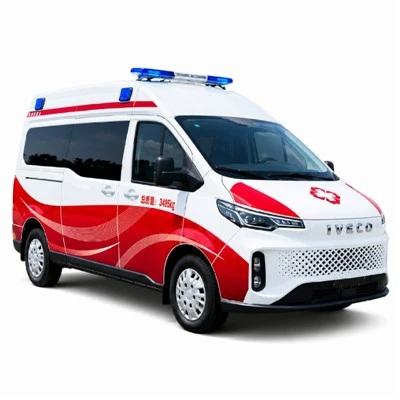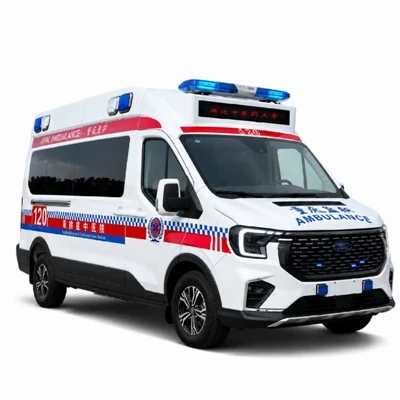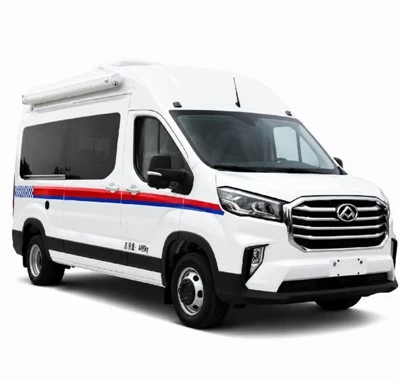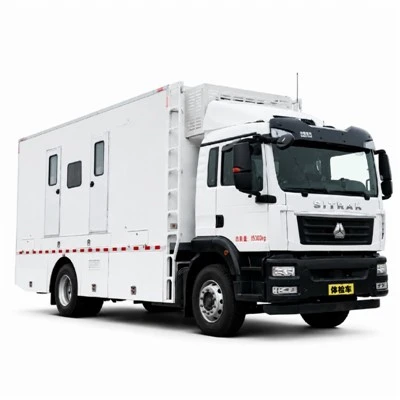

Hubei Ruitu Technology Co., Ltd. has recently received multiple inquiries from Bolivian customers interested in electric ambulances. For prospective buyers, the central decision is how to match an electric vehicle to the medical transport service it will actually perform.
A hospital transfer vehicle operating between known destinations has different requirements from an ambulance covering unpredictable emergencies or extended mountain journeys. Battery capacity matters, but it cannot establish suitability without information about the route, medical equipment, patient-compartment climate control and opportunities to recharge.
The recent inquiries provide a practical starting point for examining these requirements before an export configuration is selected.
Different Medical Transport Duties Need Different Assessments
Electric ambulance proposals should begin with a description of the service. Terms such as "hospital ambulance" or "emergency ambulance" are too broad to determine an appropriate configuration.
For a scheduled transfer service, the operator may know the usual destinations, daily mileage and parking periods. This makes it possible to compare the vehicle's working energy requirements with a defined charging schedule.
An emergency response service has a different planning problem. Several consecutive calls, a diversion to another hospital or a prolonged incident can change the duty cycle. The buyer therefore needs an operating reserve and a clear dispatch procedure, alongside the vehicle specification.
| Intended service | Main question before selecting an electric ambulance |
|---|---|
| Scheduled hospital transfers | Can the vehicle complete the planned duty cycle and recharge within available parking periods? |
| Urban emergency response | What reserve and replacement coverage are available when consecutive calls extend the shift? |
| Mountain or intercity transfers | Can the complete journey, including diversion and return arrangements, be supported without relying on an uncertain charging stop? |
| Community medical transport | Does the interior layout suit patient access, staff movement and the equipment actually carried? |
A vehicle suitable for one of these duties should not automatically be proposed for all four.
Mountain Routes Require More Than a Motor Power Figure
For Bolivian projects involving steep roads or elevated operating locations, suppliers should assess the route and the equipment operating limits separately.
Climbing requires energy. Although an electric vehicle may recover some energy when descending, that recovery should not be assumed to cancel the energy used on the ascent. Battery condition, available regenerative braking and road conditions all affect the result. The route must also remain manageable when regenerative braking is restricted.
Altitude compatibility requires documentation for the complete system. The chassis, charging equipment and installed medical devices may have different permitted operating conditions. Buyers should request the relevant manufacturer limits rather than accept a general statement that an electric motor "works at high altitude."
For extended downhill sections, the review should also cover the vehicle's braking capability at its completed operating weight.
Low-Temperature Preparation and Cabin Comfort Must Be Planned Together
Cold conditions can affect EV performance, while heating the vehicle requires energy that must be included in the duty-cycle assessment.
The U.S. Department of Energy recommends preconditioning the battery and cabin while connected to a charger where the vehicle supports that function. For an ambulance operator, this can be incorporated into departure preparation, with the exact procedure based on the selected chassis. www.energy.gov
The patient compartment needs particular attention. Its temperature requirements may continue while the vehicle is waiting outside a hospital or attending an incident. A proposal should therefore explain stationary heating and cooling operation, rather than describe air conditioning only as an installed accessory.
Driving Range and Medical Operating Time Are Connected
An electric ambulance has two simultaneous duties: moving the vehicle and supporting care inside it.
Where medical systems draw energy from the traction battery, their consumption contributes to the total energy requirement. Where an auxiliary battery is used, the supplier must explain its usable capacity, charging arrangement and supported loads.
An auxiliary battery can support continuity of supply, but it does not create unlimited operating time. The important question is how long the agreed essential loads can operate under the specified conditions.
A technically useful proposal should distinguish:
Traction energy used for the journey.
Heating, cooling and other vehicle auxiliary loads.
Medical equipment supplied by the ambulance electrical system.
Devices relying on their own internal batteries.
The energy reserve retained for an extended assignment.
This breakdown gives buyers a better basis for comparison than a single advertised range figure.
The Medical Conversion Must Be Assessed at Working Weight
A completed ambulance carries more than cabinets and a stretcher. Its operating weight includes the conversion, oxygen installation, medical equipment, staff, patient and consumables.
Buyers should request a weight budget before approving an equipment-intensive layout. The completed vehicle should then be weighed, with axle loading checked against the chassis limits.
Additional battery capacity should also be considered alongside payload and packaging. A larger battery does not automatically produce the most suitable ambulance if it limits the equipment or occupants the vehicle can legally carry.
From Initial Inquiry to a Relevant Vehicle Proposal
For customers assessing electric ambulances for Bolivia, the most useful initial information includes the operating city, service type, typical and longest journeys, road conditions, medical equipment requirements and charging arrangements.
Hubei Ruitu Technology Co., Ltd. uses project requirements as the basis for discussing ambulance layouts and vehicle configuration options. The selected chassis, medical electrical system, equipment package and export scope should be documented together.
For a purchasing team, the next useful document is a project-specific technical proposal: one that connects the ambulance's capabilities with the work it is expected to perform.