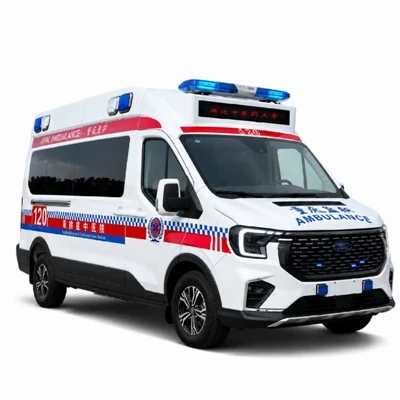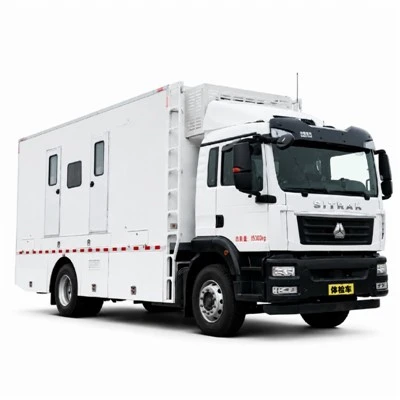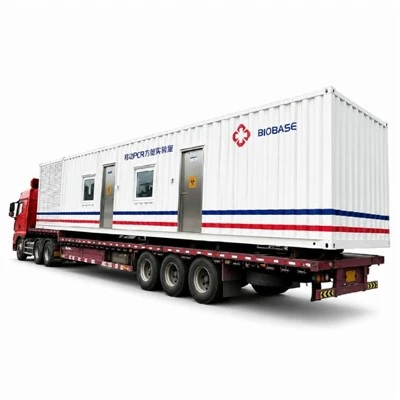

As public health systems continue to improve and the demand for medical resources continues to grow, medical vehicles are gradually evolving from mere auxiliary tools into vital platforms for mobile healthcare services. Their overall development outlook points toward a trend of continuous expansion and ongoing technological advancement. In the realm of primary healthcare, medical vehicles serve as an effective supplement to the coverage gaps of fixed medical facilities-particularly in remote and rural areas-and are poised to increasingly undertake essential public health services such as physical examinations, health screenings, and vaccinations.
The scope for development is even broader within the field of emergency medical services. In the face of public health emergencies, natural disasters, and major accidents, medical vehicles can rapidly mobilize to form mobile medical units, enabling the seamless integration of on-site treatment, preliminary diagnosis, and patient transport. As emergency response systems become more sophisticated in the future, medical vehicles will become more deeply integrated into regional collaborative rescue networks, thereby enhancing overall response efficiency and treatment capabilities.
From a technological perspective, medical vehicles are upgrading toward greater intelligence, digitalization, and modularity. Onboard medical equipment is set to become more advanced, with remote consultation systems, 5G communication technologies, and AI-assisted diagnostics expected to see widespread adoption, thereby endowing medical vehicles with enhanced diagnostic and therapeutic capabilities. Concurrently, multi-functional, integrated design is emerging as a key trend, enabling medical vehicles to rapidly pivot between different operational tasks and further optimizing both operational efficiency and resource utilization.