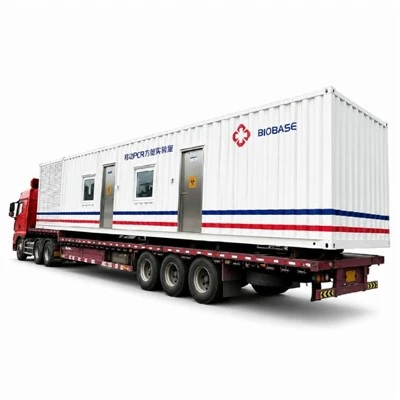

The environmental philosophy of medical vehicles primarily centers on three key aspects: green design, low-emission operation, and the efficient utilization of resources. As requirements for ecological environmental protection continue to rise, modern medical vehicles-during their research, development, and manufacturing phases-place increasing emphasis on minimizing their environmental impact. This is achieved by optimizing vehicle powertrain systems and material selection to reduce energy consumption and pollutant emissions.
An increasing number of medical vehicles are adopting new energy or hybrid powertrain systems to curb exhaust emissions and enhance energy efficiency. Concurrently, by optimizing body structures and employing lightweight design techniques, manufacturers reduce the overall vehicle weight; this, in turn, lowers fuel or electricity consumption, ensuring that the vehicles remain energy-efficient and environmentally friendly while fully meeting their requisite medical functions. Furthermore, onboard medical equipment is progressively evolving toward low-energy consumption designs to reduce the overall operational load.
Medical vehicles also prioritize a philosophy of "green operations"-for instance, by implementing standardized protocols for the classification and disposal of medical waste to prevent cross-contamination and environmental pollution. Simultaneously, the use of digitized dispatch systems helps minimize "empty-run" rates, thereby enhancing vehicle utilization efficiency and facilitating the rational allocation of resources. Taken as a whole, the environmental philosophy governing medical vehicles has evolved beyond mere emission control to encompass a comprehensive, full-lifecycle "green system" that spans design, operation, and management.